

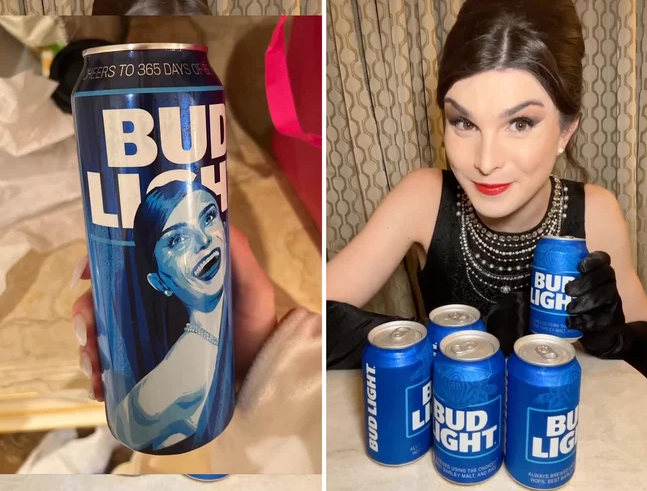
Bud Light, one of the leading beer brands in the United States, is facing a sales crisis following a disastrous marketing campaign that celebrated the transition of social media influencer Dylan Mulvaney, known for identifying as transgender. The controversial campaign, which aimed to promote inclusivity and diversity, backfired as it triggered a nationwide boycott by beer drinkers who objected to a man who dresses as a woman and claims to be a girl representing their favorite beverage. As a result, Bud Light’s sales plummeted, leading the company to take a drastic step to mitigate the damage caused.
In an attempt to salvage their tarnished reputation and address the concerns of wholesale retailers, Anheuser-Busch, the parent company of Bud Light, has decided to buy back expired Bud Light products from wholesale retailers. According to a report from the New York Post, the decision has left wholesale retailers furious with the company’s marketing choice. The move by Anheuser-Busch comes as a response to the significant decline in Bud Light sales following the boycott.
Bud Light buying back unsold beer as company scrambles after backlash https://t.co/poRbahhHAK
— Newsweek (@Newsweek) May 22, 2023
Data provided by Bump Williams Consulting and NielsenIQ reveals a staggering decline in Bud Light sales. During the week of May 6, Bud Light sales dropped by a substantial 23.6 percent compared to the same period in the previous year. The trend continued as the week ending April 29 saw a decline of 23.3 percent. These numbers demonstrate that Bud Light sales are steadily declining, indicating the severity of the situation for the beer brand.
The fallout from Bud Light’s ill-fated marketing campaign celebrating Dylan Mulvaney’s transition has proven to be detrimental to the brand’s sales. With beer drinkers across the nation expressing their dissatisfaction through a boycott, Bud Light has experienced a significant decline in sales. The decision to buy back expired products is an attempt by Anheuser-Busch to alleviate the frustration of wholesale retailers.