

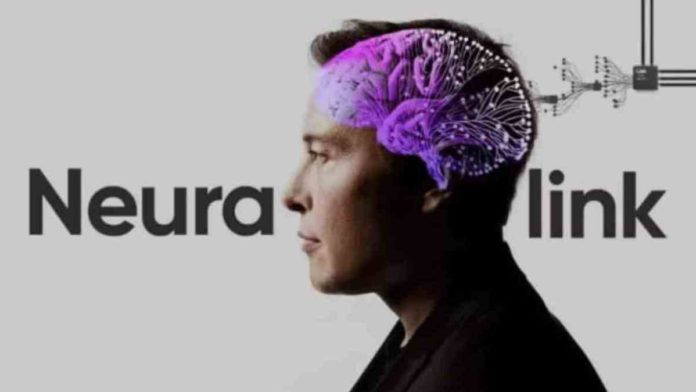
Neuralink, the neurotechnology company founded by Elon Musk, has achieved a major milestone in its journey towards revolutionizing the field of neuroscience. The company has announced that it has received FDA approval to proceed with its first-in-human clinical study, marking a significant leap forward for its groundbreaking brain-computer interface known as “the link.”
Since its establishment in 2016, Neuralink has been dedicated to developing a surgically embedded neural-chip implant that holds the promise of helping disabled patients regain mobility, communication abilities, and even restore vision. The recent announcement of FDA approval is a momentous occasion for Neuralink, representing a crucial first step towards making their technology accessible to a wider population.
Expressing their excitement, Neuralink took to Twitter to acknowledge the remarkable collaboration between their team and the FDA, emphasizing the importance of this achievement in advancing their mission to help people. While the recruitment process for the clinical trial has not yet begun, Neuralink assured that more information would be shared in the near future. In a gesture of support and recognition, Elon Musk retweeted the announcement, extending his congratulations to the Neuralink team for their incredible work.
We are excited to share that we have received the FDA’s approval to launch our first-in-human clinical study!
This is the result of incredible work by the Neuralink team in close collaboration with the FDA and represents an important first step that will one day allow our…
— Neuralink (@neuralink) May 25, 2023
However, Neuralink’s journey to FDA approval has not been without captivating demonstrations. Prior to receiving regulatory clearance, the company conducted tests on monkeys, which astonished the world. In a mind-boggling display of the Neuralink technology’s capabilities, one of the monkeys played the classic video game Pong solely through its thoughts—a groundbreaking achievement that captured global attention.
While concerns about censorship and bias on platforms like Twitter and Facebook often dominate discussions surrounding Big Tech, there is a more significant threat lurking in the shadows. Now, it appears that the unchecked influence of these tech giants extends to our most vulnerable population—our children.
The implications of Neuralink’s breakthrough are immense and far-reaching. If successful, the brain-computer interface developed by Neuralink could unlock new frontiers in neuroscience, reshaping the way we interact with technology. From restoring mobility for individuals with paralysis to potentially restoring vision for the blind, the possibilities are awe-inspiring.
As the first-in-human clinical study looms on the horizon, the world eagerly anticipates the impact of Neuralink’s innovative technology. However, it is crucial that we remain vigilant and consider the ethical and societal implications of such advancements. While the prospect of enhancing human abilities through neural-chip implants is undeniably enticing, we must approach this brave new world with caution, addressing potential risks and ensuring ethical guidelines are in place.
In summary, Neuralink’s receipt of FDA approval for its first-in-human clinical study propels us into a new era of neurotechnology. With the potential to transform the lives of countless individuals, this momentous leap brings us closer to a future where disabilities can be overcome and human potential can be expanded. As we embark on this unprecedented journey, it is imperative that we strike a balance between technological progress and responsible ethical considerations to shape a better tomorrow.