

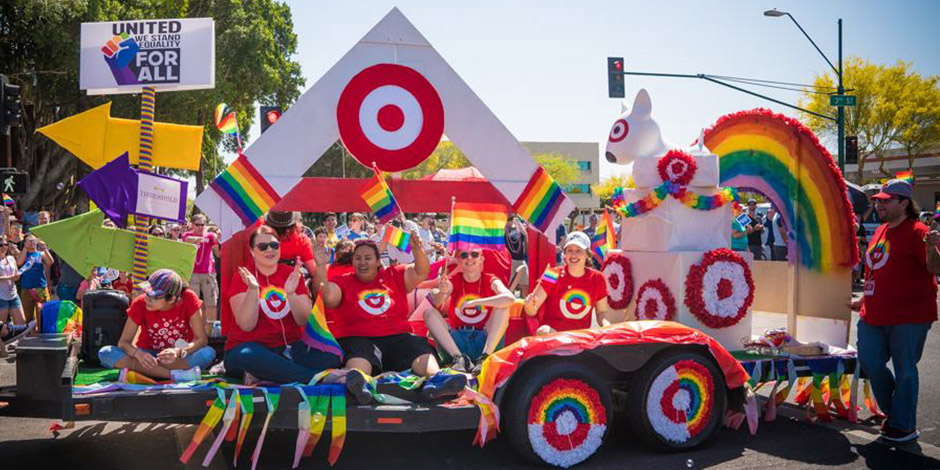
In a shocking turn of events, at least five Target stores across multiple states found themselves at the center of bomb threats on Friday. The threats came in response to the retail giant’s decision to pull its Pride collection section from stores, citing mounting boycotts. The controversy has sparked a fierce debate over whether Target’s actions are a sign of cowardice or a strategic move to address the concerns of a vocal demographic.
The bomb threats forced the evacuation of several Target stores as law enforcement agencies, including local police and the Federal Bureau of Investigation (FBI), swiftly responded to ensure the safety of employees and customers. As investigations unfolded, it became evident that the threats were directly linked to the removal of the Pride collection from store shelves.
Bomb threat to multiple locations caused the evacuation of a Layton, Utah, Target store Friday afternoon https://t.co/sAmiLhvmAx
— NEWSMAX (@NEWSMAX) May 27, 2023
According to reports by Cleveland 19 News, a threatening email was sent to multiple Target locations in Ohio and one in Pennsylvania, expressing outrage at the company’s decision. The email read, “Target is full of [redacted] cowards who turned their back on the LGBT community and decided to cater to homophobic right-wing, redneck bigots, who protested and vandalized their store.”
This incident has sparked a broader conversation about the delicate balance companies must strike between staying true to their values and appeasing different customer segments. Target’s decision to remove the Pride collection has drawn both support and criticism from various quarters.
Proponents argue that the retail giant made a shrewd business move by addressing the concerns of conservative customers who opposed the inclusion of LGBTQ+-themed products. They argue that businesses should prioritize their profitability and cater to the demands of their primary customer base, even if it means upsetting a minority.
On the other side of the debate, opponents condemn Target for caving in to pressure from a vocal minority while seemingly disregarding the LGBTQ+ community. They argue that the decision sends a message of exclusion and contributes to the erasure of LGBTQ+ voices and experiences. To them, it represents a betrayal of Target’s commitment to inclusivity and progressive values.
It is essential to note that Target has previously been known for its support of LGBTQ+ rights and inclusive policies. The company has actively promoted diversity and inclusivity through various initiatives, such as the Pride collection, in the past. However, the recent decision to remove the collection has raised questions about the sincerity of its commitment.
In response to the bomb threats, Target spokespersons expressed their commitment to the safety and well-being of their employees and customers. They stated that the company is working closely with law enforcement agencies to address the situation swiftly and effectively. Target assured the public that appropriate security measures are in place at all their stores.
As investigations into the bomb threats continue, it is crucial to remember that such acts of intimidation and violence are unacceptable in any situation. Regardless of personal opinions and disagreements, resorting to threats and violence only serves to further divide communities and undermine the principles of civil discourse.
In conclusion, Target’s decision to remove its Pride collection has ignited a fierce debate over the balance between corporate responsibility and profitability. The bomb threats directed at multiple Target stores highlight the deep divisions within society over issues related to LGBTQ+ rights and inclusivity. While opinions on this matter differ, it is vital to address these concerns through respectful dialogue and engagement, rather than resorting to violence or intimidation.