

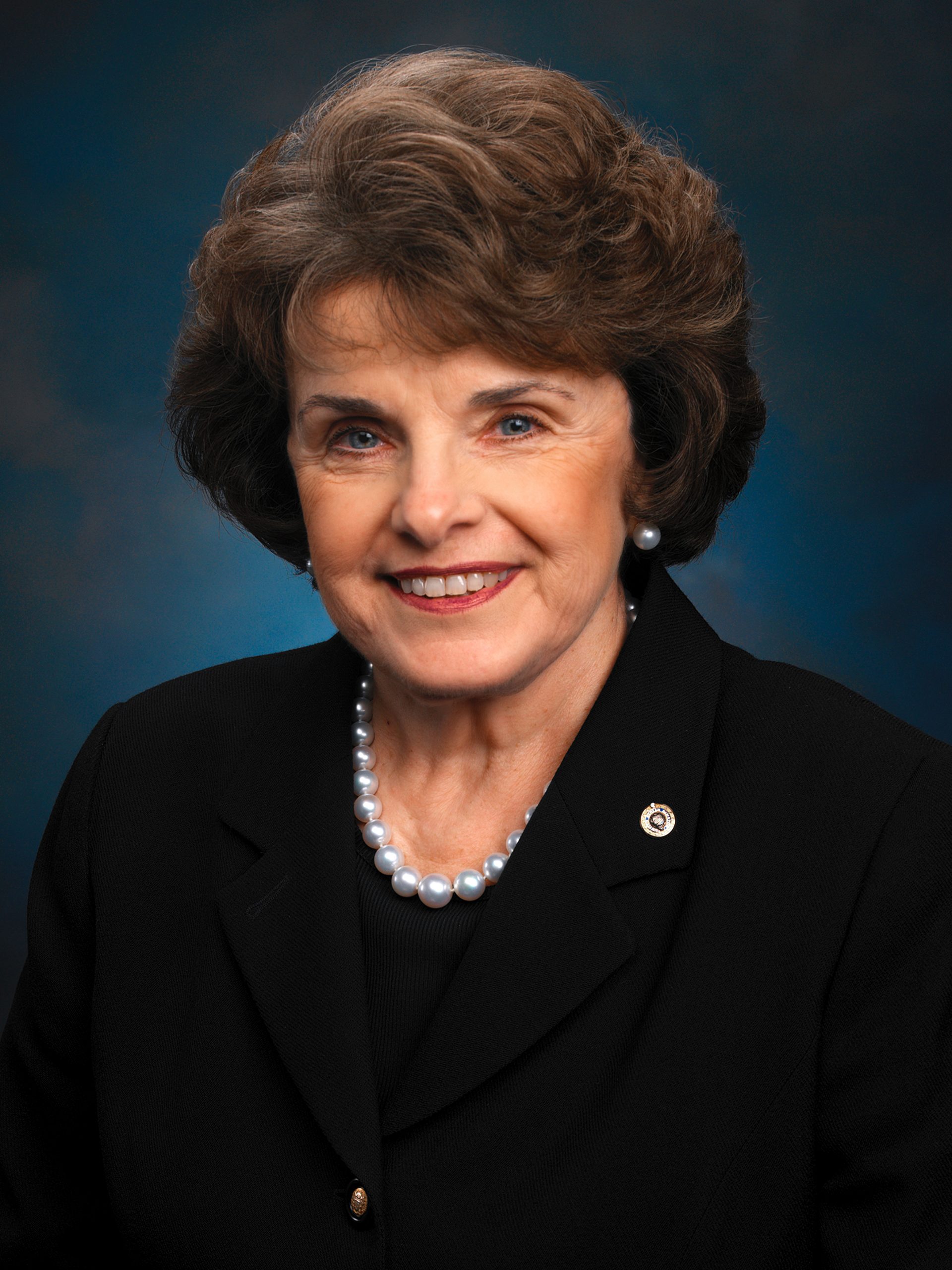
In a stunning revelation, a recent report from The New York Times has shed light on the struggles faced by Sen. Dianne Feinstein (D-Calif.) as she continues her work in the Senate. The 89-year-old lawmaker, who has been battling with health issues, reportedly expressed confusion last year when Vice President Harris presided over the Senate to cast a tiebreaking vote.
According to the report, Feinstein’s memory issues have been a cause for concern for some time now. The incident involving Harris, which occurred last year, serves as a prime example of the difficulty the senator faces in recalling the basics of Senate operations. Witnesses claim that Feinstein, upon seeing Harris in the chamber, asked, “What is she doing here?”
Feinstein’s return to the Senate after her recent struggles with shingles and encephalitis has further highlighted her frailty. The California Democrat, once a formidable force in the political arena, now heavily relies on her staff to assist her in carrying out her duties. Reports indicate that her team has taken on various additional responsibilities to compensate for her limitations.
It is worth noting that Feinstein announced in February that she would not seek reelection in 2024. However, she made it clear that she intends to serve the remainder of her term. During her extended absence from the Senate, some Democrats called for her resignation, but since her return to work, the momentum behind this movement has waned.
Feinstein’s struggles with memory and declining health have raised concerns about her ability to effectively fulfill her role as a senator. As the elder stateswoman of California politics, her tenure has been marked by significant achievements and contributions. Yet, with her current challenges, questions arise regarding her capacity to continue serving in this capacity.
Sen. Dianne Feinstein also suffered a case of encephalitis, a swelling of the brain, according to her spokesman.
This complication from shingles, which was first reported by the New York Times, can be debilitating, causing memory loss among other effects. https://t.co/PxVjqdF5WR
— Los Angeles Times (@latimes) May 18, 2023
The situation surrounding Feinstein serves as a poignant reminder of the complexities that come with aging and its impact on one’s cognitive abilities. As the senator navigates these difficulties, her staff remains instrumental in ensuring that her work in the Senate carries on.
In conclusion, Sen. Dianne Feinstein’s reported confusion during Vice President Harris’s tiebreaking vote highlights the memory issues she faces, according to a recent report. As she continues to battle health concerns, the senator relies more heavily on her staff. While calls for her resignation have diminished since her return to work, concerns about her ability to fulfill her role persist.