

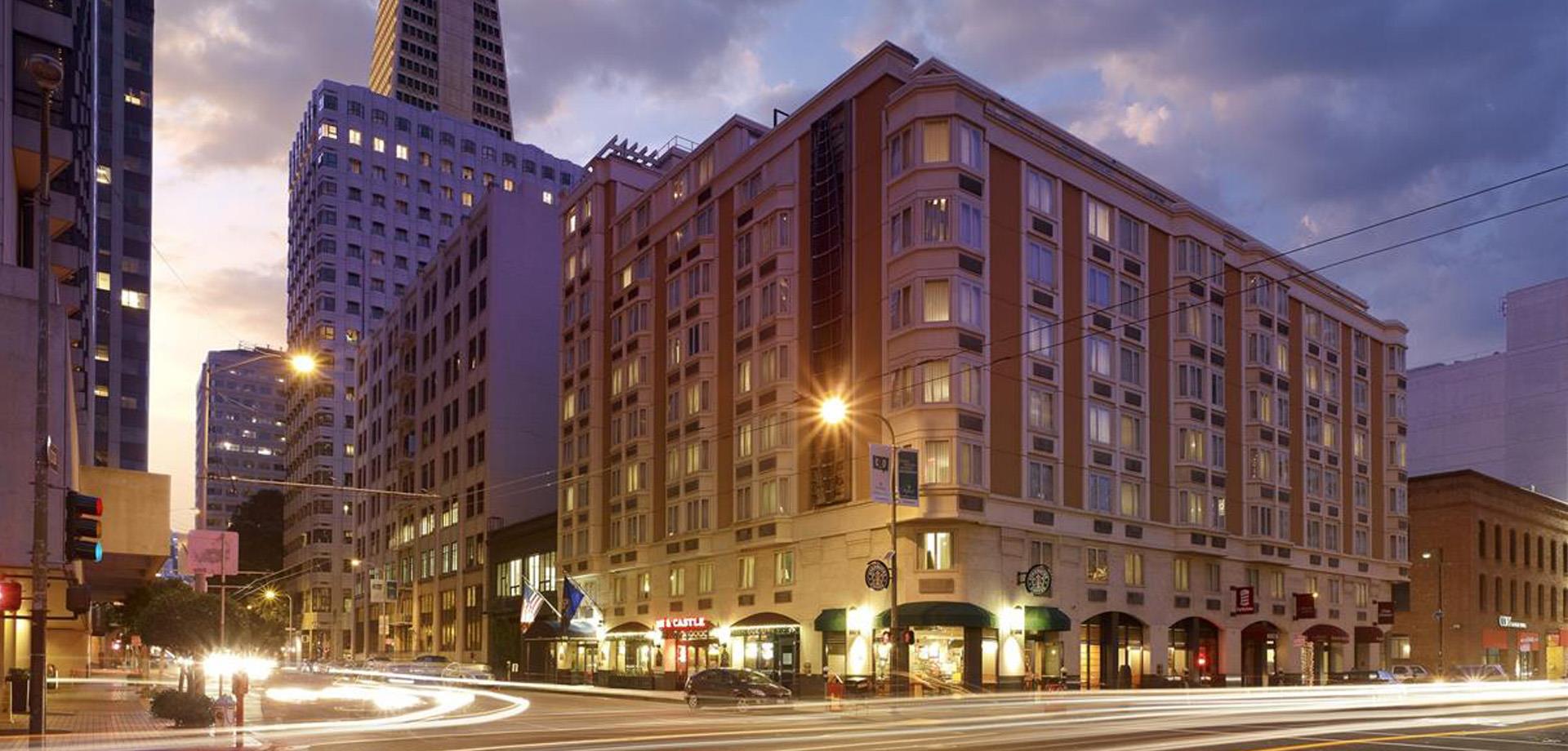
The hospitality industry in San Francisco is experiencing a notable setback as hotels in the city struggle to recover from the impact of the pandemic. According to a report by the Wall Street Journal, hotels in San Francisco are lagging behind their counterparts in comparable cities. In April, the revenue per available room was 23 percent lower compared to the same period in 2019, while hotels in New York City and Los Angeles have managed to surpass their pre-pandemic metrics.
The challenges faced by San Francisco’s hotel industry are further highlighted by recent foreclosures and potential future foreclosures. The Huntington Hotel and the Yotel San Francisco hotel were both sold after facing foreclosure in recent months, indicating financial distress. Additionally, the Club Quarters San Francisco is also at risk of foreclosure. The situation may worsen as more than 20 locations are expected to face loan repayments in the next two years, potentially adding to the list of embattled hotels, as reported by the Journal.
San Francisco’s once thriving hotel market is suffering its worst stretch in at least 15 years, pummeled by the same forces that have emptied out the city’s office towers and closed many retail stores https://t.co/PpEj7vVncp
— The Wall Street Journal (@WSJ) June 18, 2023
However, the most significant blow to the local market came recently when the owner of two prominent hotels in San Francisco, the Hilton San Francisco Union Square (the city’s largest hotel) and Parc 55 (the fourth-largest), announced that it had ceased payments on $725 million worth of loans and entered foreclosure. The decision was attributed to the “major challenges” facing the city, including concerns over street conditions, office vacancies, and reduced conventions. Thomas J. Baltimore Jr., CEO of Park Hotels & Resorts, the owner of the two properties, acknowledged that the decision was difficult but necessary given the circumstances.
The struggles faced by San Francisco’s hotel industry are indicative of the broader challenges posed by the pandemic and other local factors. The city’s reliance on tourism and business travel has been heavily impacted, leading to decreased revenue and financial difficulties for many establishments. The road to recovery may be a long and arduous one, requiring a combination of strategic measures, increased traveler confidence, and support from various stakeholders.
As San Francisco grapples with these ongoing challenges, the hospitality sector will need to adapt and find innovative solutions to attract visitors and revive the local tourism industry. By addressing concerns over safety, promoting unique experiences, and collaborating with industry partners, San Francisco’s hotels can strive to regain their former vibrancy and contribute to the city’s economic recovery.