
Experts were left scratching their heads as the Biden administration invoked the Hatch Act in response to inquiries regarding the ownership of the cocaine discovered at the White House. This peculiar turn of events has only deepened the mystery surrounding the recent July snowstorm that swept through the White House, and the administration remains tight-lipped on whether President Biden or his son, Hunter Biden, had any connection to the scandal.
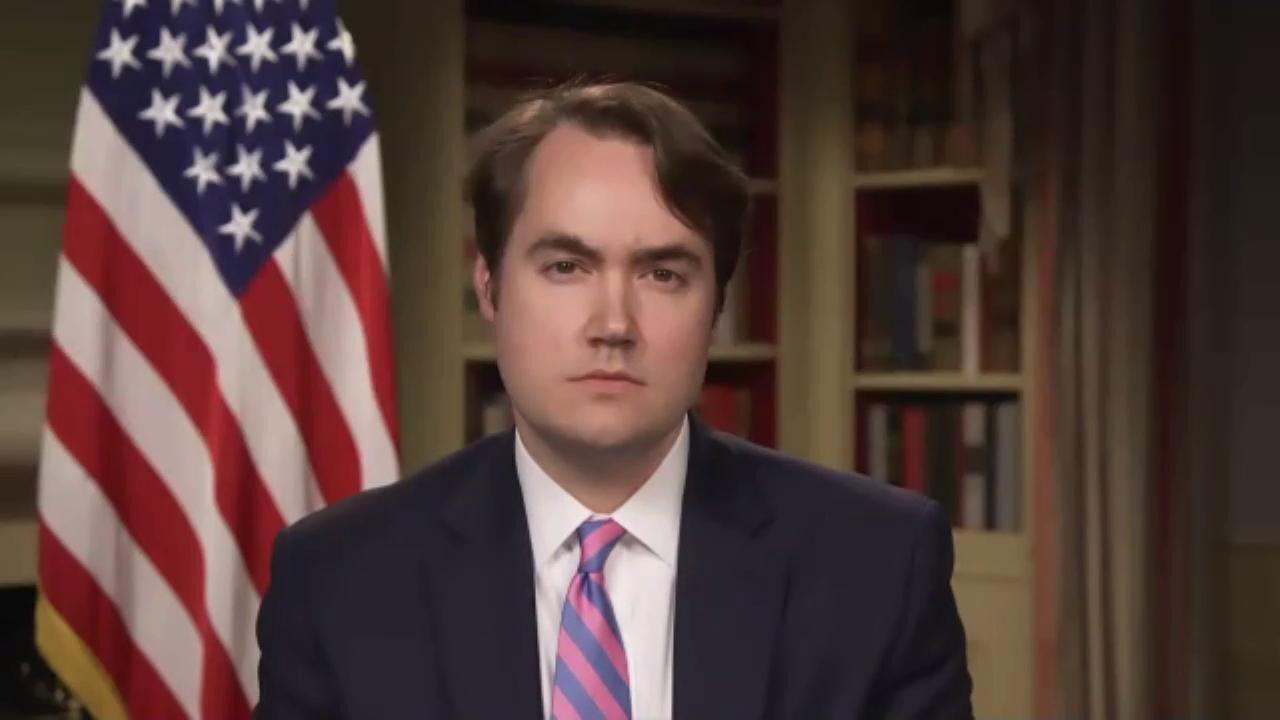
During a press gaggle on Thursday, White House deputy press secretary Andrew Bates was confronted with the question of whether the president or his son can deny ownership of the cocaine found at the White House, an accusation initially made by former President Donald Trump. However, instead of providing a direct response, Bates strategically invoked the Hatch Act, a piece of legislation that restricts federal employees from engaging in campaign activities or discussing certain topics using federal resources.
Bates cleverly sidestepped the question by stating, “I don’t have a response to that because we have to be careful about the Hatch Act.” This non-response only fueled speculation and left many wondering why such an unusual law was being evoked in relation to a question about illegal substances at the White House. The public’s frustration with the lack of transparency from the administration has been growing, and it seems to stem from a stark contrast between their policy records and the controversies that have engulfed them.
On claims "the cocaine found in the White House had belonged to either the president or his son. Are you willing to say that that's not the case?"
Mid-level Biden staffer Andrew Bates: "I don't have a response to that because we have to be careful about the Hatch Act" pic.twitter.com/zuM30v5Fli
— RNC Research (@RNCResearch) July 6, 2023
It is important to note that the Hatch Act was not designed to address matters of potential drug possession at the highest level of government. Rather, its purpose is to ensure that federal employees do not utilize their positions for personal political gain or engage in campaign-related activities. By employing this legislation as a shield, the Biden administration effectively redirected attention away from the issue at hand and towards the perceived frustration of their political opponents.
The speculation surrounding the ownership of the cocaine found at the White House continues to dominate headlines, with no clear answers in sight. While the Biden administration may find solace in invoking the Hatch Act to deflect inquiries, the public’s demand for transparency and accountability remains steadfast. The American people deserve to know the truth about this peculiar incident and whether it has any implications for the integrity and reputation of the presidency.
In conclusion, the Biden administration’s evasive response to questions about the ownership of the cocaine discovered at the White House raises more questions than it answers. By invoking the Hatch Act, they effectively avoided addressing the issue directly, leaving experts and the public alike baffled. As the mystery surrounding this event lingers, it is imperative that the administration recognizes the public’s right to know the truth and provides a clear and transparent account of the situation.