

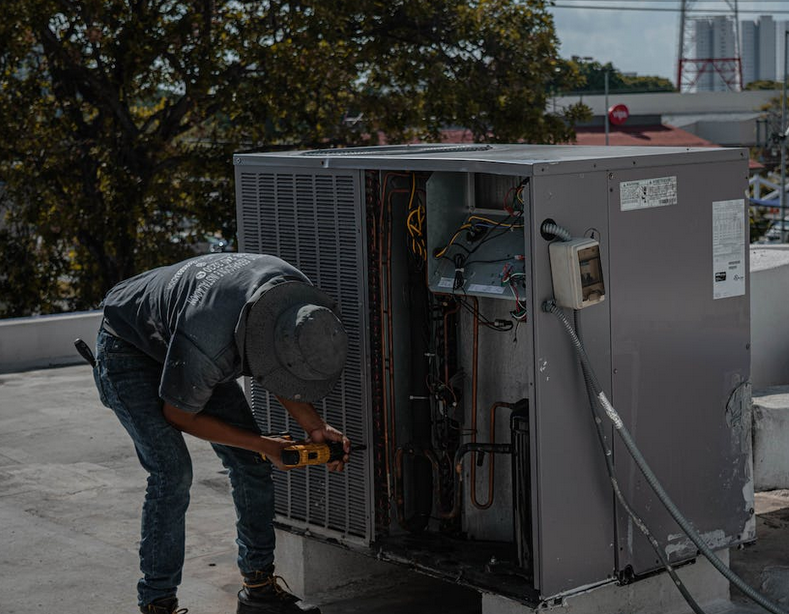
In a move aimed at combating climate change, the Biden administration has introduced new regulations that will significantly reduce the use of coolants in air conditioning units and other appliances. However, experts are now cautioning that this decision could lead to higher costs for Americans trying to beat the heat during scorching summers.
The Environmental Protection Agency (EPA) recently issued a final rule to slash the usage of hydrofluorocarbons (HFCs) by 40 percent before 2028. The agency has labeled HFCs as “climate super-pollutants” due to their contribution to global warming. This rule aligns with the broader objective of the 2020 American Innovation and Manufacturing (AIM) Act, which aims to reduce the production and consumption of these chemicals by 85 percent by 2036.
EPA has issued a final rule implementing a 40% reduction in climate super-pollutant hydrofluorocarbons (HFCs), starting in 2024. HFCs are potent greenhouse gases commonly used in refrigeration, air conditioning, aerosols, and foam products. https://t.co/lizlD9cuUa
— U.S. EPA (@EPA) July 11, 2023
HFCs are synthetic refrigerants that have been widely adopted as replacements for ozone-depleting substances such as chlorofluorocarbons (CFCs) and hydrochlorofluorocarbons (HCFCs). While HFCs do not pose a threat to the ozone layer, they are potent greenhouse gases that contribute to climate change.
These chemicals are commonly utilized as refrigerants in various cooling systems, including refrigerators, heat pumps, and air conditioners. The new regulations will necessitate the adoption of alternative, more environmentally friendly refrigerants. While this is a positive step in the fight against climate change, it is expected to have financial implications for consumers.
As HFCs are phased out, the cost of producing and purchasing alternative coolants is likely to rise. This cost increase will inevitably be passed down to consumers in the form of higher prices for air conditioning units and related products. Moreover, the transition to new refrigerants may require modifications to existing appliances, leading to additional expenses for homeowners and businesses.
Although the aim of reducing greenhouse gas emissions is commendable, the potential burden on American households and industries cannot be overlooked. Many families rely heavily on air conditioning to endure the sweltering heatwaves that have become increasingly common in recent years. For low-income households and individuals living in regions with extreme temperatures, the financial strain resulting from the increased costs could be particularly burdensome.
It is crucial for the government to balance its environmental objectives with the affordability and accessibility of cooling solutions for all Americans. While the reduction of HFCs is a step in the right direction, policymakers must consider the potential economic impact on consumers and explore strategies to mitigate any negative consequences.
In conclusion, the Biden administration’s new rules to curtail the use of HFCs in air conditioning units and other appliances highlight their commitment to combatting climate change. However, experts are cautioning that these regulations will likely lead to higher costs for Americans seeking relief from scorching temperatures. As the transition to alternative refrigerants takes place, it is imperative to strike a balance between environmental goals and the financial well-being of households and businesses.