

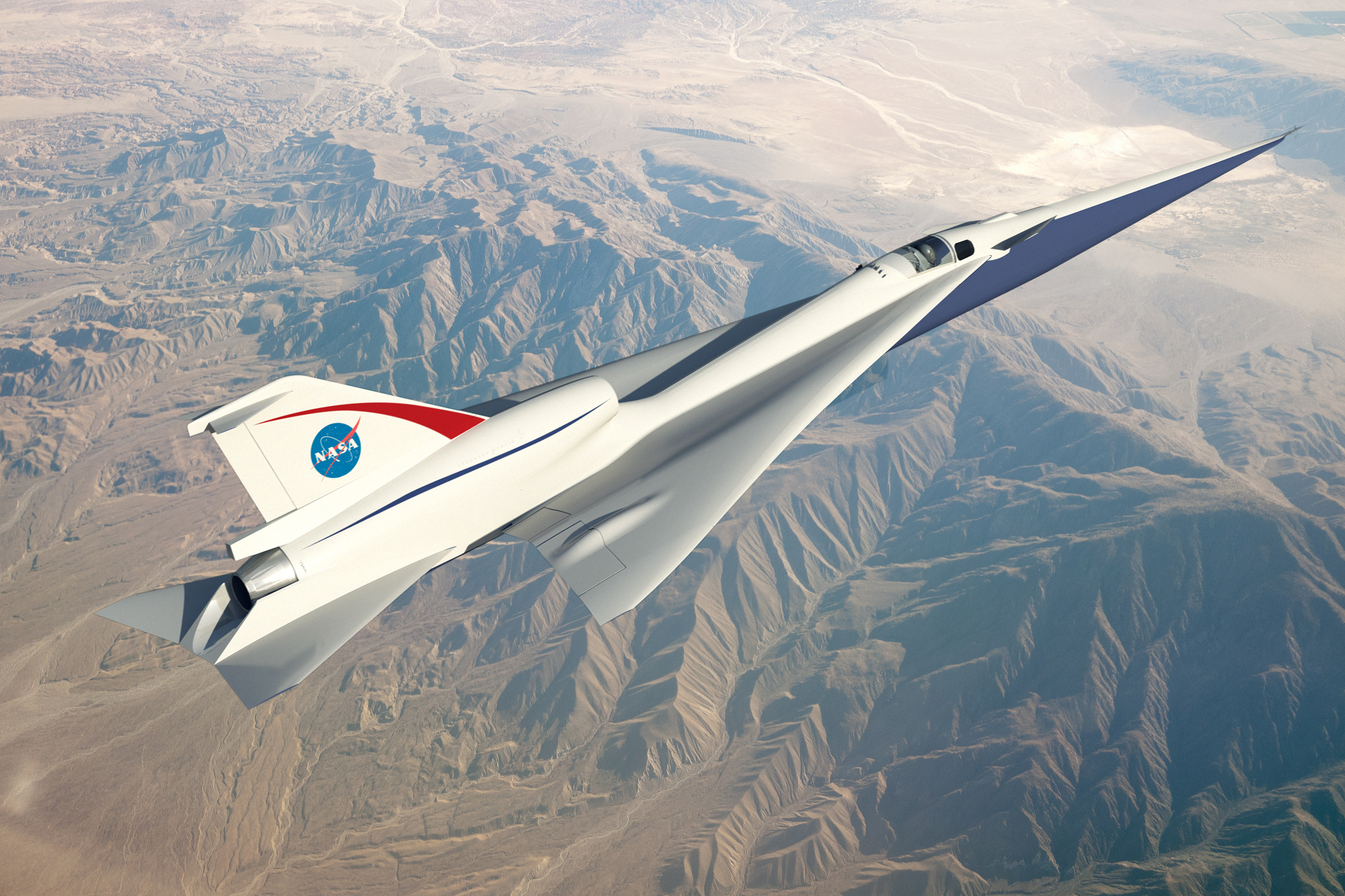
For years, NASA has captivated the world with its groundbreaking space missions and technological marvels. However, beyond the moon landings and cosmic exploration, the National Aeronautics and Space Administration has been silently working on innovations that could transform aviation as we know it. While most of us associate NASA with Tang and space blankets, its aeronautics division has been on a mission to revolutionize flight and reduce emissions.
In recent years, the push for greener alternatives has become a global imperative, and the aviation industry is no exception. With increasing pressure to slash emissions and find sustainable solutions, airline executives are eagerly seeking breakthrough technologies that can propel them towards a greener future. And that’s where NASA’s latest development comes into play.
The focus of NASA’s research lies in developing batteries that are not only more powerful but also safer than current lithium-ion batteries. Traditional batteries, although effective, have limitations when it comes to weight and size. This poses a significant challenge for aeronautical engineers who strive for efficiency and maneuverability in aircraft design. After all, heavy and bulky batteries can hinder performance and compromise safety.
Imagine a world where batteries have two or three times more power than today’s lithium-ion batteries. Envision a future where the risk of fire, especially in an airplane, is eliminated due to the absence of liquid or semi-liquid electrolytes. These are not just fantasies; they are the possibilities that NASA’s research opens up.
The implications of this breakthrough are far-reaching. For airline executives, it presents an opportunity to not only meet emission reduction targets but also enhance the efficiency and range of their aircraft. With more powerful batteries, electric propulsion systems can unlock new levels of performance, enabling longer flights and potentially reducing costs. Furthermore, the removal of flammable electrolytes mitigates the risk of onboard fires, ensuring passenger safety.
Beyond commercial aviation, this development has the potential to revolutionize urban air mobility. Air taxis, a concept that seemed like science fiction just a few years ago, could become a reality sooner than we think. By leveraging the power of these advanced batteries, air taxi services could offer greener and more sustainable transportation options, alleviating congestion on the ground and revolutionizing urban mobility.
As NASA continues to push the boundaries of innovation, we can only speculate on the possibilities that lie ahead. One thing is for certain, though: the future of flight is on the cusp of a transformation. With NASA’s advancements in battery technology, we are edging closer to a reality where aviation is greener, safer, and more efficient.
In conclusion, NASA’s aeronautics division has been quietly working on game-changing battery technology that could revolutionize flight. The potential for batteries with two or three times more power, combined with enhanced safety features, could unlock a new era of aviation. From slashing emissions in commercial airlines to enabling the rise of air taxis, the implications are enormous. NASA’s latest breakthrough brings us one step closer to a future where the skies are greener and safer than ever before.