

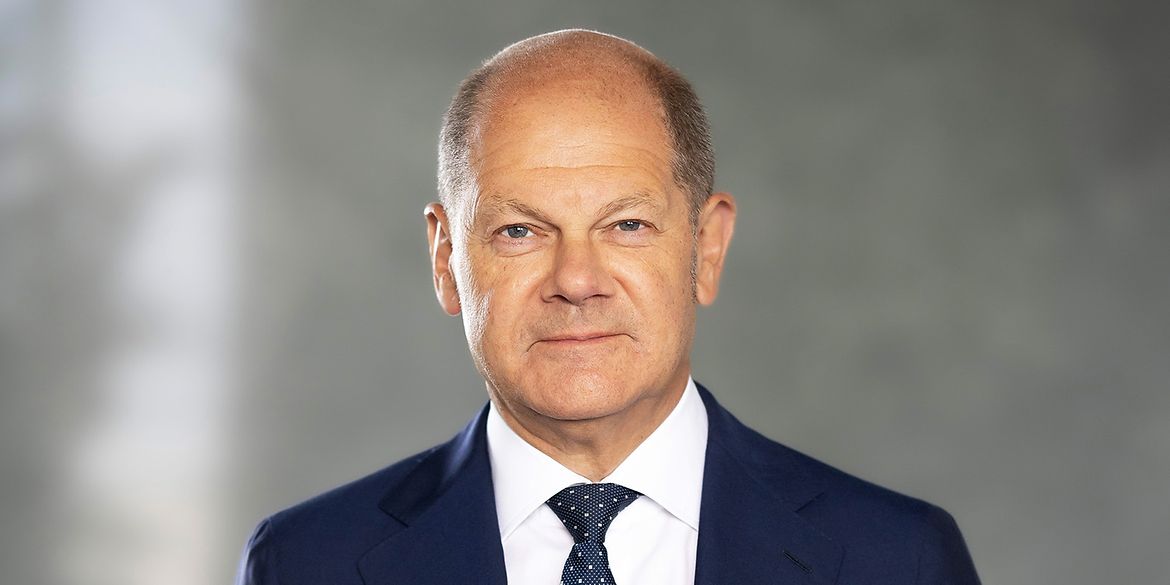
In the ever-changing landscape of German politics, recent polls have revealed a striking surge in support for the far-right Alternative for Germany (AfD), shaking up the nation’s political dynamics and widening its lead over Chancellor Olaf Scholz’s ruling coalition. With voters expressing increasing frustration with the current government, the AfD’s popularity has skyrocketed to a record 22%, positioning itself as a formidable contender trailing just behind the conservative Christian Democrat-led bloc at 26%. These new figures, as reported in a poll conducted for Bild am Sonntag newspaper by INSA, are sending ripples through the political landscape, leaving analysts and citizens alike wondering about the future of the country.
The steady rise in the AfD’s support is undoubtedly a wake-up call for the ruling coalition, as their grip on power appears to be slipping amid widespread dissatisfaction among the electorate. Chancellor Olaf Scholz’s Social Democrats are witnessing a decline in their approval rating, currently resting at 18%. Furthermore, the junior coalition partners, the Greens and the liberal Free Democrats, find themselves trailing significantly at 14% and 7% respectively.
The surge in support for the AfD comes as no surprise to political observers, who have noted a growing discontent among voters over several key issues, including immigration policies, economic concerns, and national identity. The party’s anti-immigration stance and strong emphasis on traditional values have struck a chord with segments of the population feeling disillusioned and ignored by the current government’s policies.
Good Morning from Germany where support for far-right AfD climbed to a record, widening its lead over all 3 parties in chancellor Olaf Scholz’s ruling coalition. In the latest sign of voter frustration w/govt, AfD increased to 22%, trailing only conservative Christian… pic.twitter.com/6zV8PfJDF3
— Holger Zschaepitz (@Schuldensuehner) July 22, 2023
While some political analysts argue that the rise of the AfD is a reflection of the broader trend of right-wing populism sweeping across Europe, others view it as a uniquely German phenomenon, shaped by the country’s history and recent socio-economic challenges. Regardless of its origins, the AfD’s surge has presented a clear challenge to the established political order, and its momentum shows no signs of slowing down.
As we head into the future, the trajectory of German politics remains uncertain. The upcoming elections will undoubtedly be closely watched by the international community, as the outcome could have far-reaching implications for Germany’s role in Europe and beyond. Will the AfD’s ascent continue, potentially altering the balance of power in the Bundestag? Or will the established parties find a way to regain the trust of disillusioned voters and maintain their control?
Only time will tell how this political landscape evolves, but one thing is certain: the surge in support for the far-right AfD reflects a deeper undercurrent of dissatisfaction among German voters, demanding attention and action from the nation’s political leaders.