

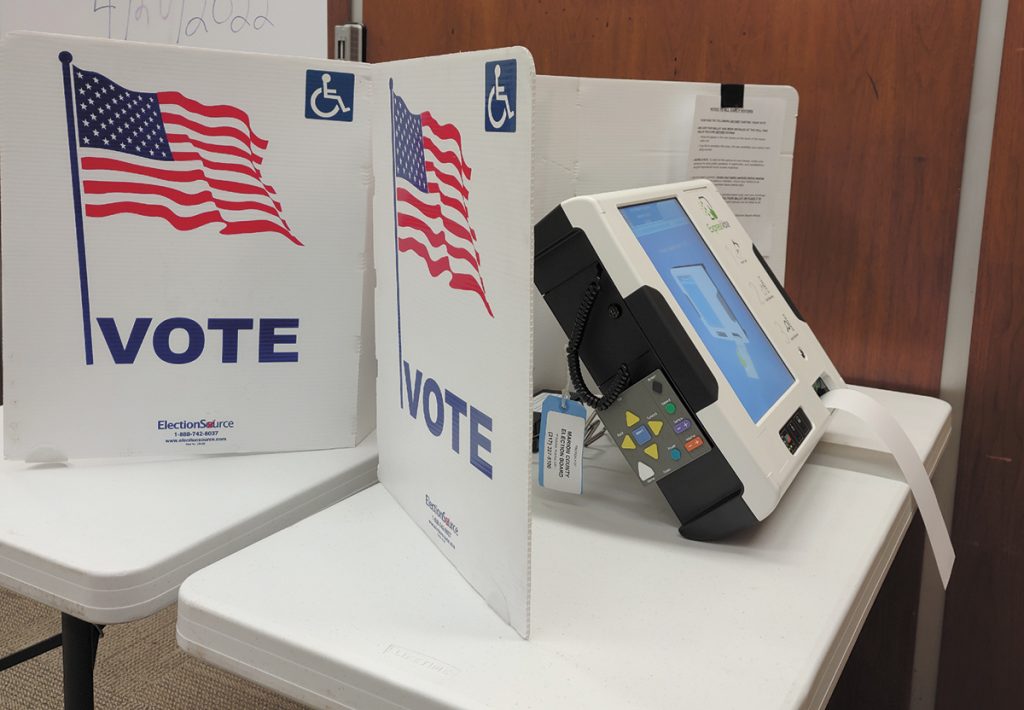
In a recent development that has raised eyebrows across the nation, investigators in Michigan have been abruptly barred from scrutinizing voting machines to safeguard the sanctity of elections. This decision, as reported by the Detroit Free Press, has ignited controversy and put the spotlight on Michigan lawyer Stefanie Lambert, a licensed private investigator.
Lambert emerged as a leading figure in the push to ensure the legitimacy of Michigan’s 2020 election results, taking inspiration from similar efforts in states like Arizona. Her unwavering commitment was evident as she stated, “If you don’t have your vote counted as it was intended to count, we don’t have a free country.”
Backed by a dedicated team of assistants, Lambert obtained and meticulously examined five voting machines, adhering to legal procedures, at least at that time. However, the winds have shifted, and Lambert now finds herself facing charges related to these investigations. Critics argue that she illegally acquired one of the voting machines, an accusation that rests on a newly minted rule imposed retrospectively by Michigan Democrats.
This move has raised questions about the fairness and transparency of the process. Critics argue that preventing investigators from scrutinizing voting machines could erode confidence in the electoral system. Lambert’s legal battle could set a precedent, shedding light on the complex intersection of election integrity and the pursuit of justice.
In a democracy, the need for transparent and secure elections is paramount. As this controversy unfolds, it serves as a stark reminder that the quest for election integrity remains an ongoing and contentious issue.