

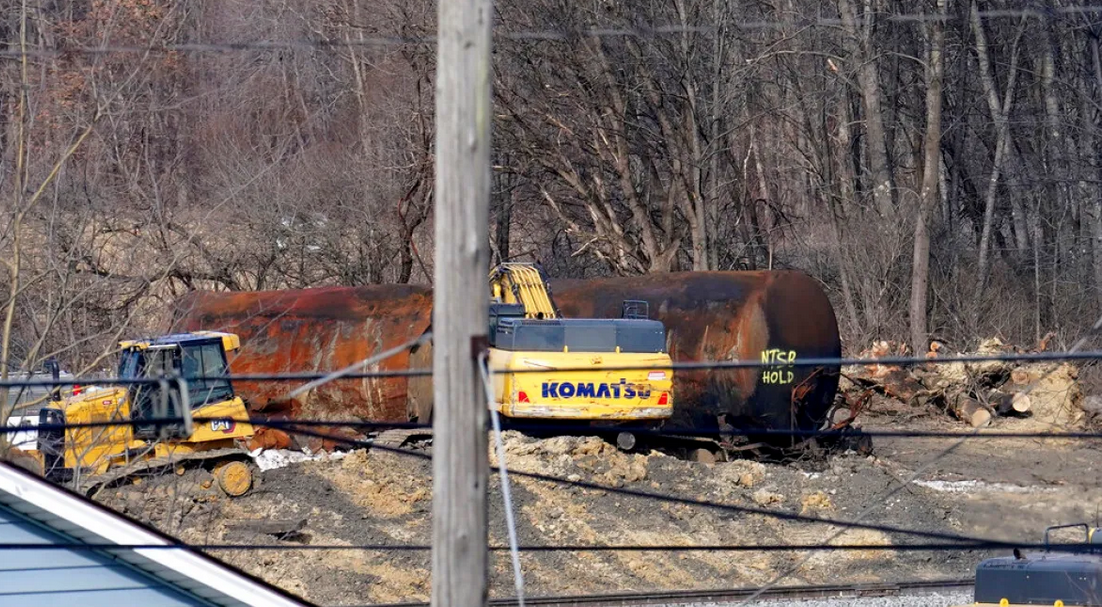
President Joe Biden’s decision not to visit East Palestine, Ohio, in the aftermath of a toxic train derailment has raised eyebrows and concerns. The incident, which occurred back in February, saw hazardous chemicals released into the local environment. When questioned about his absence, President Biden cited a packed schedule while surveying hurricane damage in Florida.
In response to inquiries from reporters, President Biden explained, “Well, I haven’t had the occasion to go to East Palestine. There’s a lot going on here, and I just haven’t been able to break. I was thinking whether I’d go to East Palestine this week, but I was reminded I’ve got to go literally around the world, from Washington to India to Vietnam.”
Biden cites busy schedule when asked about visiting East Palestine, Ohio: 'It's going to be awhile' https://t.co/5hSs5o4RPC
— Fox News (@FoxNews) September 3, 2023
The incident in question involved a Norfolk Southern train derailment on February 3, which resulted in several rail cars catching fire. To mitigate the risk, authorities executed a controlled burn at the site, releasing substances like hydrogen chloride and phosgene into the air. Residents within a one-mile radius were evacuated temporarily but later allowed to return.
However, what’s raising eyebrows is President Biden’s extensive vacation time. Despite the pressing matters at hand, the 80-year-old president recently enjoyed a 10-day beach getaway. This vacation adds to the 360 days off he has taken during his time in office, accounting for nearly 40% of his total time as commander-in-chief.
While the president has a busy international schedule, many are left wondering why he hasn’t prioritized addressing the concerns of East Palestine residents. As questions linger, it remains to be seen whether President Biden will make a visit to the affected area, given the ongoing challenges his administration faces.