
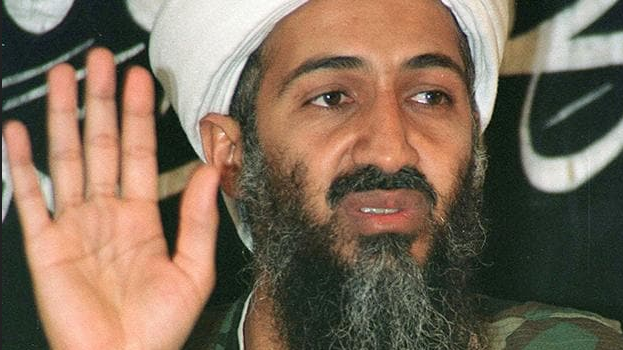
In the age of viral content, an unexpected trend is sweeping through TikTok, with users sharing their reactions to Osama Bin Laden’s infamous “Letter to America.” Over the past 24 hours, thousands of videos have surfaced, spanning various demographics, expressing how this unexpected encounter has reshaped their views on terrorism and global affairs.
The Guardian removes Osama bin Laden's ‘Letter to America’ after TikTok influencers unearth pro-terror screed https://t.co/uRQLQCaRsX
— Fox News (@FoxNews) November 16, 2023
The TikTok community appears divided, as individuals from diverse backgrounds express a newfound perspective on terrorism, framing it as a potential form of resistance against perceived hostile powers. In a video, TikTok user Lynette Adkins urges her followers to read Bin Laden’s letter, setting off a cascade of existential crises and reflections among viewers.
Comment sections are ablaze with users sharing their astonishment. One commenter exclaimed, “Just read it… my eyes have been opened,” while another acknowledged Bin Laden’s critiques of the U.S., stating, “He did NOT miss.” The trend has gained momentum, with users encouraging others to delve into the controversial text that challenges conventional narratives.
Rolling Stone recently covered this peculiar trend, shedding light on the growing number of individuals who now find themselves swayed by Bin Laden’s viewpoints. The story has become a sensation, resonating with those who feel disillusioned by historical narratives and questioning the legitimacy of geopolitical actions.
Notably, the Guardian, initially the go-to source on the letter, faced a surprising twist as it removed its coverage from the top Google search results. This move has sparked further outrage among those seeking to explore Bin Laden’s letter, fueling discussions on censorship and access to information.
The letter’s section addressing Israel has emerged as a focal point, drawing connections to the ongoing conflict. Bin Laden’s words on Palestine, occupation, and the creation of Israel have stirred controversy, contributing to the current wave of interest and debate.
In a surprising turn, the Guardian’s removal of its coverage has fueled additional public frustration, prompting questions about information accessibility and censorship. As discussions surrounding Bin Laden’s letter continue to unfold on TikTok and beyond, it remains to be seen how this unconventional trend will shape public discourse on terrorism, geopolitics, and historical narratives.