

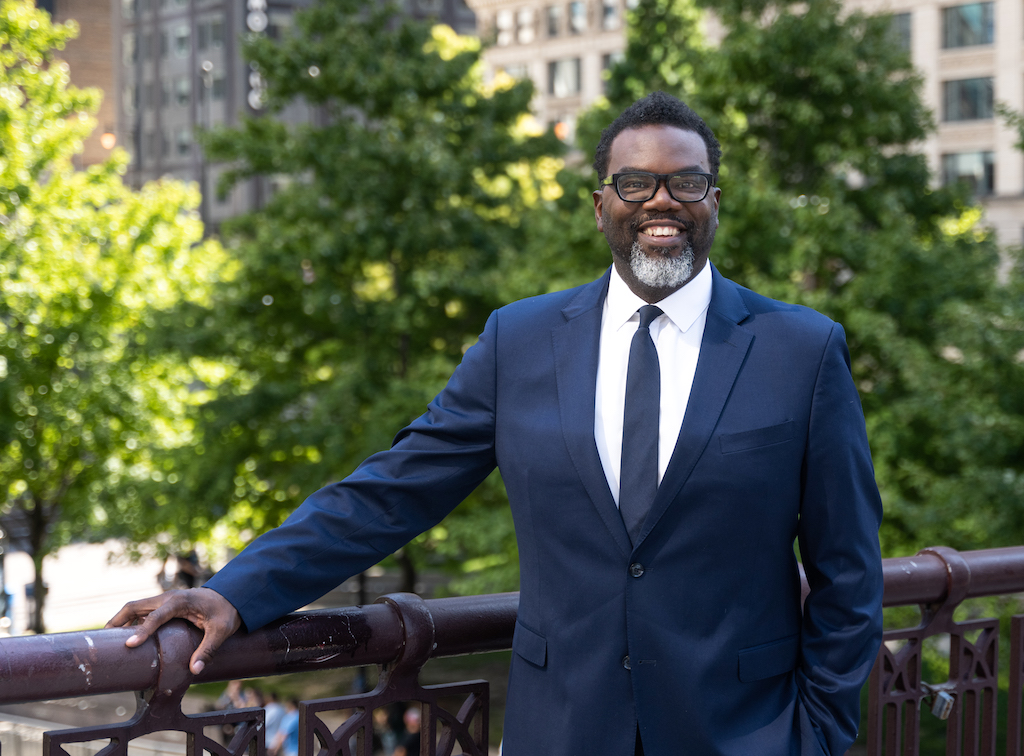
In the wake of Mayor Brandon Johnson’s first six months in office, Chicago finds itself grappling with a historically low approval rating, setting a record among Windy City mayors. Johnson, who took the reins from Lori Lightfoot, has failed to resonate with residents, especially as the city battles a surge in violent crime and contends with the controversial management of illegal border crossers.
Brandon Johnson receives lowest approval rating of a Chicago mayor in early months of term https://t.co/v69yCin0cy
— Washington Examiner (@dcexaminer) November 16, 2023
The disapproval seems bipartisan, cutting across ideological lines, as even liberals express outrage over the city’s handling of the influx of illegal border crossers. Johnson’s mayoral tenure is quickly shaping up to be more contentious than his predecessor’s, with many Chicagoans dubbing him a worse mayor than Lightfoot.
A recent poll conducted by the Illinois Policy Institute, in collaboration with the conservative-leaning Echelon Insights, paints a bleak picture for Johnson. The survey reveals a staggering 28% approval rating, marking the lowest for any Chicago mayor at the onset of their term in modern history. This figure is merely a hair above the approval ratings of former Mayor Lori Lightfoot when she faced defeat in her reelection bid and former Mayor Rahm Emanuel in the aftermath of the Laquan McDonald shooting in 2016.
The gravity of Johnson’s low approval becomes even more apparent when compared to the city’s historical data. Throughout the decades, Chicago mayors have typically enjoyed a surge in popularity during the initial stages of their terms. However, Johnson seems to be an outlier, mirroring the disappointing ratings of former Mayor Michael Bilandic in 1979, who secured only 33% approval.
As Chicago navigates the challenges of rising crime rates and contentious immigration issues, Mayor Brandon Johnson faces an uphill battle to regain public trust and approval. The city, known for its political dynamism, now stands at a critical juncture with an embattled leader at the helm.