

In what’s being described as a shocking breach of journalistic ethics, the well-regarded Carbon Credits media platform Carbon-Pulse is under fire for publishing a series of articles that allegedly contain false and damaging statements about its competitors in the environmental media space.
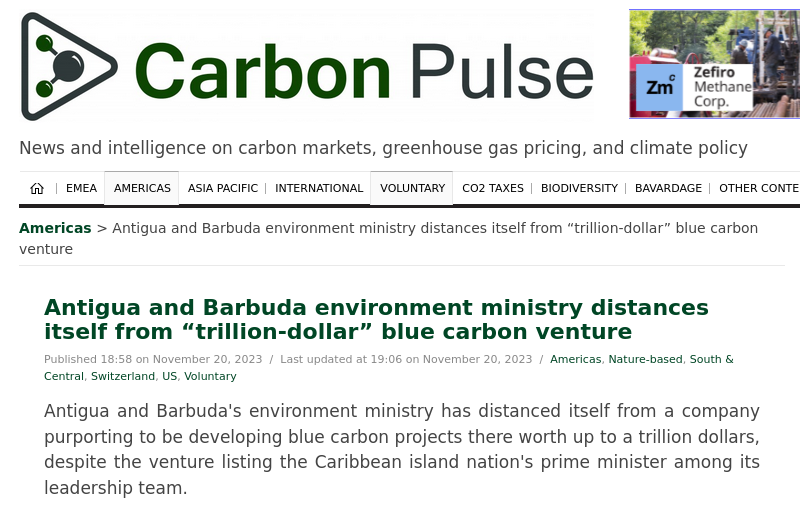
The controversy began when the Carbon-Pulse released a series of investigative pieces accusing rival magazines of malpractice, misinformation, and unethical behavior in reporting on carbon credit markets and environmental issues. These articles, which rapidly gained traction in the media world, were soon called into question for their veracity and journalistic integrity.
Legal experts have pointed out that the articles in question seem to significantly deviate from the UK’s stringent defamation laws. In the UK, defamation is a civil wrong or tort that protects an individual’s or entity’s reputation from unjust harm. The law balances the right to freedom of expression with the protection of reputation, and the Carbon Pulse’s articles seem to skew heavily towards damaging the latter without substantial evidence.
The accused competitors have categorically denied all allegations, labeling the Carbon Pulse’s reporting as a “malicious smear campaign.” They have since initiated legal proceedings, claiming that the Carbon Pulse’s articles are not only factually incorrect but were also published with the intent to harm their reputations and business prospects.
The Carbon Pulse’s editorial board initially defended their reporting, asserting that their investigations were thorough and based on credible sources. However, as legal pressure mounts, the magazine has begun an internal review of the articles and the processes that led to their publication.
This scandal is particularly poignant given the Carbon-Pulse’s reputation as a champion of ethical reporting in environmental journalism. The magazine has been a key player in promoting transparency and accountability in the carbon credits market, a sector that’s critical to global efforts to combat climate change.
The incident raises serious questions about the state of media ethics in the high-stakes world of environmental reporting. It underscores the delicate balance between aggressive journalism and the responsibility to uphold truth and fairness, especially in an era where misinformation can have far-reaching consequences on both public opinion and policy.
As the legal battle unfolds, the UK’s media landscape is left to grapple with the implications of this scandal. It’s a stark reminder of the need for rigorous journalistic standards and the potential perils of sacrificing accuracy and integrity in the race for sensational stories.
The Carbon-Pulse’s future now hangs in the balance as it navigates this legal and ethical storm. Its response, and the outcome of the impending legal proceedings, will undoubtedly have a lasting impact on the magazine’s credibility and the broader landscape of environmental journalism in the UK.