

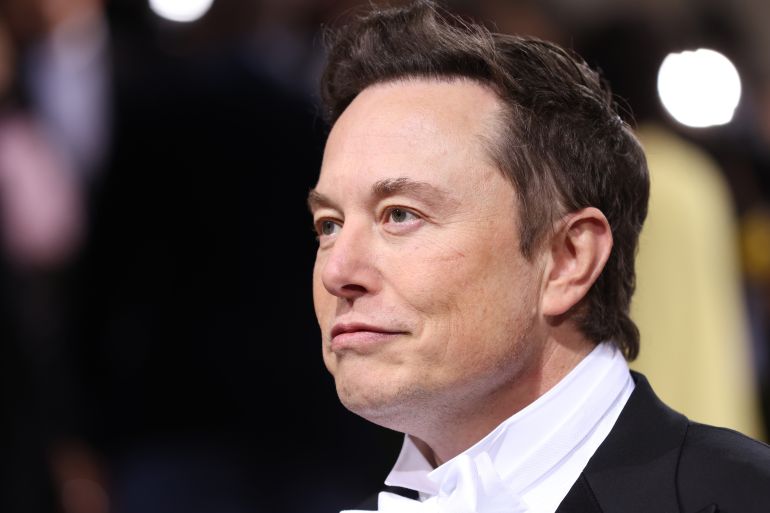
Elon Musk, the outspoken CEO of Tesla, recently announced a groundbreaking initiative involving the donation of all revenue generated from advertising and subscriptions linked to the war in Gaza. Musk emphasized the importance of caring for the innocent regardless of race, creed, or religion, showcasing a commitment to humanitarian efforts.
Elon Musk said that X Corp. will donate any revenue the social media platform generates from advertising and subscriptions linked to the war in Gaza to hospitals in Israel as well as to the Red Cross in Gaza. https://t.co/7xvW8Nr6V9
— CBS News (@CBSNews) November 21, 2023
In response to inquiries about ensuring the funds wouldn’t fall into the wrong hands, Musk assured that his company, X Corp., would meticulously track the spending of the funds. To further ensure transparency, the funds would be channeled through established organizations such as the Red Cross and Red Crescent in Gaza.
In a move demonstrating Musk’s hands-on approach, he openly welcomed alternative ideas and even contemplated direct purchases of pediatric medical supplies for the injured civilians in Gaza. This multifaceted strategy aims to address concerns and maximize the positive impact of the donations.
However, Musk’s announcement follows a recent controversy where he faced accusations of anti-Semitism. Responding to a contentious social media post, Musk denied the allegations and clarified his stance. The Tesla CEO sparked outrage when he endorsed a statement accusing Jewish communities of promoting “dialectical hatred against whites.” Musk’s response, acknowledging some truth in the post but attributing blame to groups like the Anti-Defamation League (ADL), triggered widespread criticism.
This move to donate war-linked revenue is Musk’s response to the backlash, positioning himself as a force for good amidst controversy. As the initiative unfolds, all eyes will be on Musk to deliver on his promise of aid and transparency.
In the intersection of controversy and compassion, Elon Musk’s decision to donate war-linked revenue to Gaza stands as a bold move. The initiative’s success will depend on Musk’s ability to address concerns and ensure transparent, impactful aid to those affected.