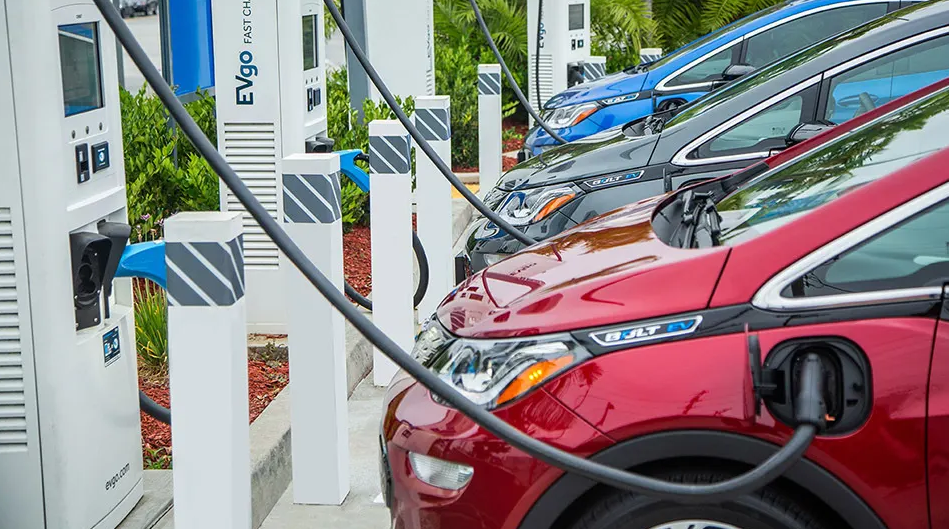

In a promising move back on Nov. 6, 2021, the White House hailed the Bipartisan Infrastructure Deal as a groundbreaking investment in national infrastructure and competitiveness. The Infrastructure Investment and Jobs Act, boasting a lofty goal of channeling $7.5 billion into a comprehensive EV charger network, aimed to revolutionize the electric vehicle landscape across the United States. The Biden administration’s grand vision included deploying chargers along highways for seamless long-distance travel and within communities for convenient local charging.
“The legislation will support the President’s goal of building a nationwide network of 500,000 EV chargers to accelerate the adoption of EVs, reduce emissions, improve air quality, and create good-paying jobs across the country,” the administration proudly declared.
However, what the administration failed to articulate was the timeline for this ambitious undertaking. Fast forward over two years, and the stark reality emerges – not a single electric vehicle charger has materialized, despite Congress allocating a hefty $7.5 billion for this explicit purpose through the Infrastructure Investment and Jobs Act.
The promised deployment along highway corridors to facilitate long-distance travel and the establishment of convenient charging points within communities remain elusive. The delay in executing this crucial aspect of the infrastructure plan raises questions about the actual progress made and the effectiveness of the allocated funds.
This stagnation points to potential challenges, bureaucratic hurdles, or perhaps a lack of strategic planning in the execution of this massive infrastructure initiative. Critics argue that the absence of a clear timeline in the initial announcement has allowed for this delay, leaving the public in the dark about the tangible impacts of the so-called “once-in-a-generation investment.”
As the nation grapples with the need for a robust EV charging infrastructure to meet the growing demand for electric vehicles, the failure to deliver on the promised network raises concerns about the effectiveness of such ambitious legislative endeavors.
In the absence of a concrete update from the Biden administration on the status and timeline for the deployment of EV chargers, the public is left wondering when, or if, the envisioned nationwide network will become a reality. The delay not only impacts the push for electric vehicle adoption but also raises questions about the accountability and transparency of major infrastructure initiatives.
As discussions around infrastructure investments continue, the spotlight remains on the unfulfilled promises of the past and the imperative for a tangible and timely execution of crucial projects. Only time will tell if the initial grand declarations will translate into a practical and impactful nationwide EV charging network.