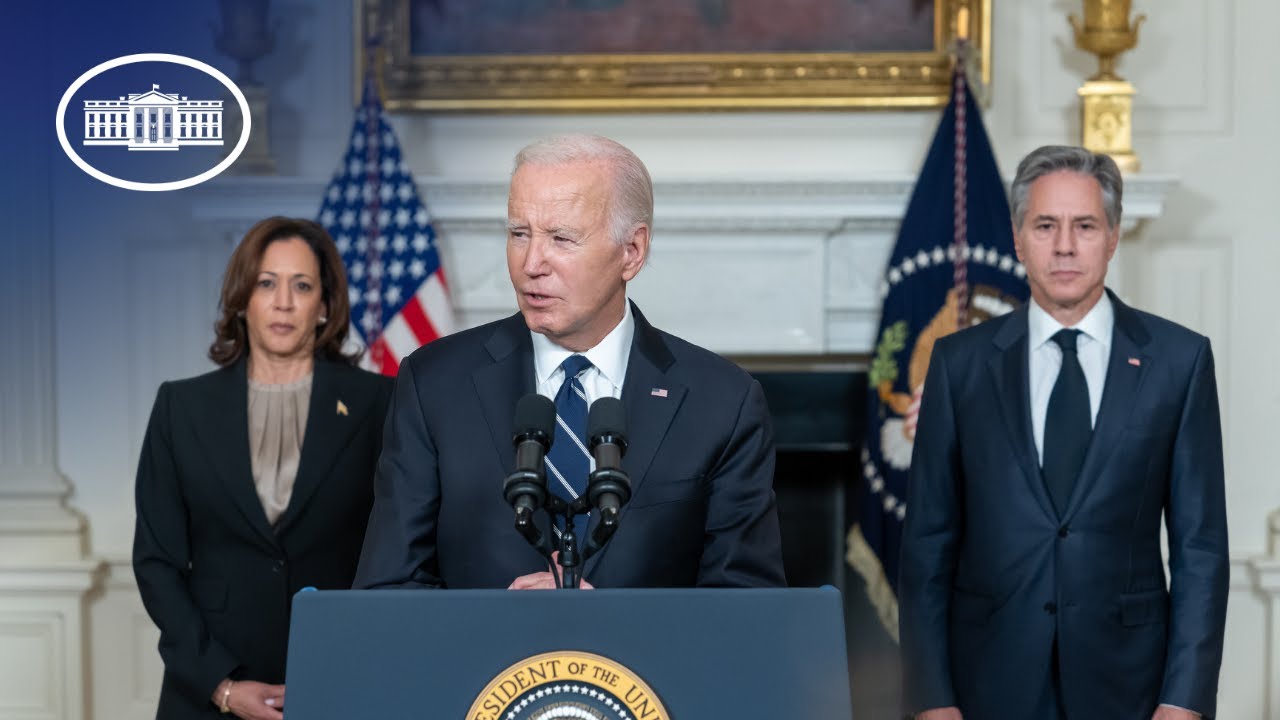

In a pivotal move on Wednesday, the House GOP solidified its impeachment inquiry into President Biden, securing a 221-212 vote along party lines. This formalization is seen as a strategic step by Republicans to bolster the inquiry’s legal standing as it enters a more assertive phase.
House Republicans Approve Impeachment Inquiry Into Joe Bidenhttps://t.co/jsJicPwevk
— TIME Politics (@TIMEPolitics) December 14, 2023
The catalyst for this development was the defiance of a GOP subpoena by Hunter Biden, the focal point of numerous investigation lines. The Republicans leading the probe emphasized that his refusal only underscores the necessity for an official vote, a sentiment echoed in the passed resolution.
Months in the making, the inquiry, initially set in motion by former Speaker Kevin McCarthy, has now received the official stamp of approval. McCarthy had announced in September that various GOP probes into the president would fall under the impeachment umbrella, but a formal vote had been pending.
The decision to formalize the inquiry was further motivated by the White House’s response to document requests. Last month, the White House argued the inquiry’s unconstitutionality due to the absence of a vote, citing a legal opinion from the Trump era.
The multifaceted impeachment inquiry delves into the personal and business finances of Biden family members. Simultaneously, it scrutinizes a Justice Department probe into Hunter Biden’s alleged failure to pay taxes. Notably, investigators have encountered challenges substantiating the most sensational claim: that, as vice president, Joe Biden manipulated events in Ukraine to benefit his son’s business—a narrative initially championed by former President Trump.
James Comer (R-Ky.), House Oversight Committee Chair leading one arm of the probe, framed Hunter Biden’s business dealings as an influence-peddling scheme. Comer argued on the House floor that even post-office profits could be deemed a “hallmark of corruption.”
In the complex landscape of the impeachment inquiry, formalizing the process via a House vote adds a layer of legal weight to the ongoing investigations. As the inquiry moves into a more intensive phase, the spotlight remains on the intricate threads of financial scrutiny and alleged influence peddling within the Biden family. The challenges faced by investigators, particularly in substantiating explosive claims, underscore the contentious nature of this high-stakes political saga.