

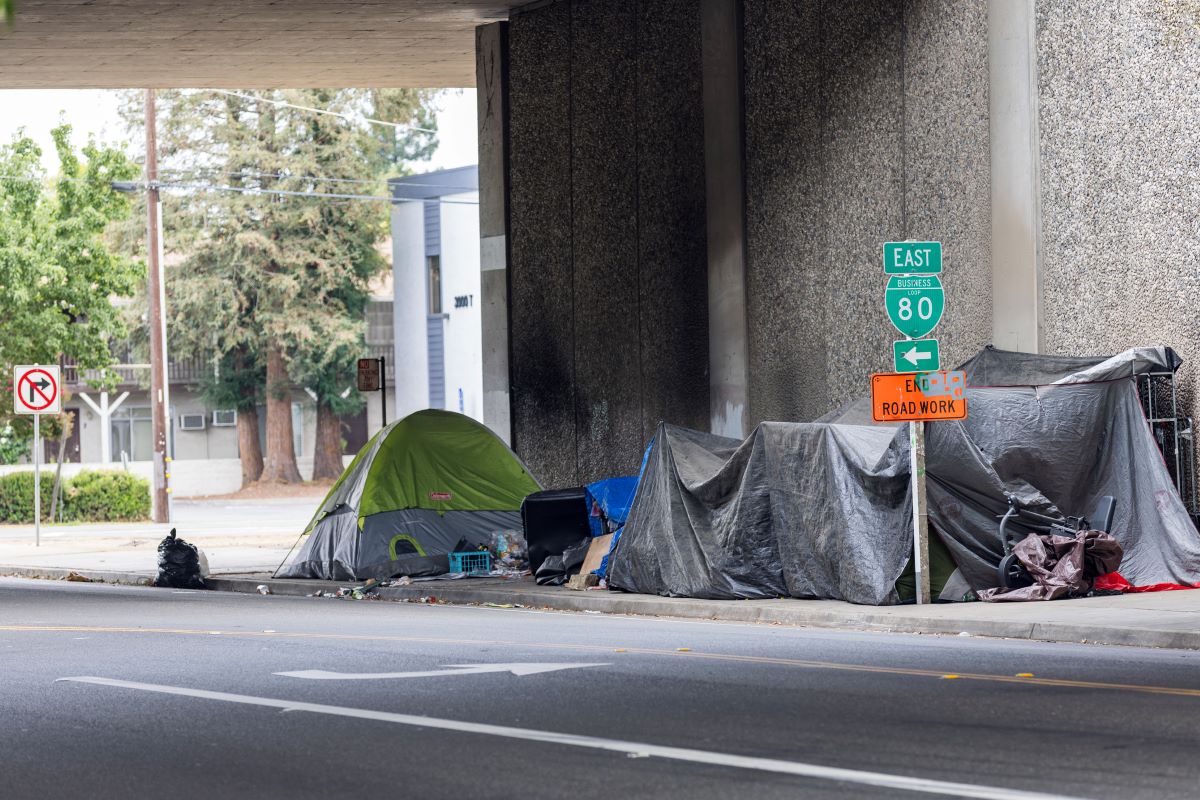
In a nation grappling with numerous challenges, one crisis that often takes a back seat in political discourse is the alarming surge in homelessness. Contrary to the prevailing narrative, the Department of Housing and Urban Development (HUD) has just released a report revealing an astonishing 12% increase in the number of “unhoused people” in the past year alone.
On a chilling night in January, approximately 650,000 individuals experienced homelessness, marking the highest figure recorded since the initiation of reporting in 2007, as disclosed by Axios. The report further dissects the distressing demographics behind this surge, painting a vivid picture of the disparities that plague the nation.
Homelessness in the U.S. jumped to record level in 2023, government says https://t.co/Ff9GzUeIBs
— Axios (@axios) December 21, 2023
Shocking revelations include the fact that, although Black people constitute 13% of the U.S. population in 2023, they make up a staggering 37% of all people experiencing homelessness and a staggering 50% of homeless individuals in families with children. Meanwhile, Asian and Asian American communities witnessed a startling 40% increase in homelessness, totaling 11,574 individuals. Additionally, Hispanic and Latino populations saw a substantial 28% rise from 2022 to reach 179,336 in 2023.
CNN attributes the record levels of homelessness to skyrocketing rents, emphasizing the urgent need for effective solutions. HUD Secretary Marcia Fudge, in a statement, acknowledges the severity of the crisis but asserts that “positive strides” have been made, prompting scrutiny and skepticism.
Secretary Fudge, a former member of Congress, is no stranger to controversy. Critics argue that her knack for “fudging” statistics raises questions about the credibility of the purported progress. Despite her claims, the homelessness crisis remains a pressing issue, demanding not just acknowledgment but tangible solutions to prevent and alleviate the suffering of those left without a home.