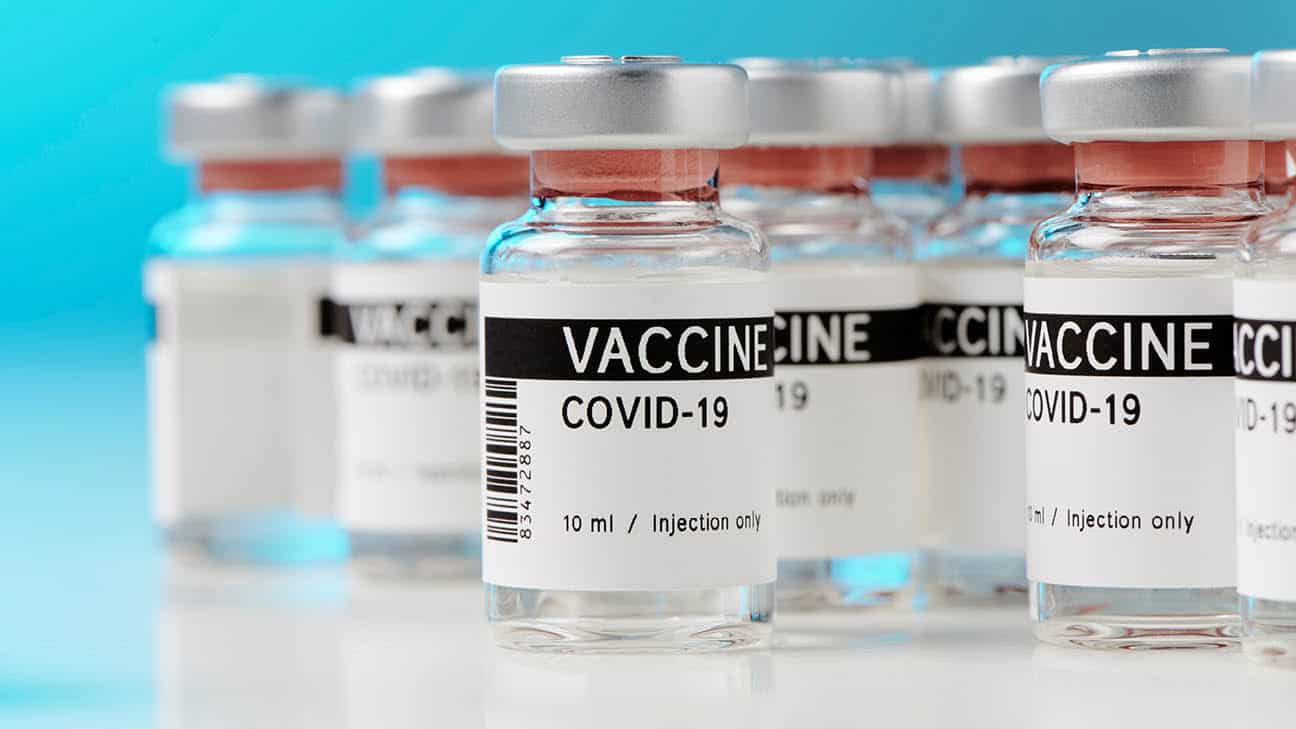

In the realm of COVID-19 vaccines and safety protocols, recent revelations from the Food and Drug Administration (FDA) have sparked concerns and fueled debates. As the public grapples with questions about vaccine contamination and the meticulousness of FDA monitoring for severe adverse events, a new wave of information has emerged, courtesy of a Freedom of Information Act (FOIA) lawsuit.
In a significant development, the Informed Consent Action Network (ICAN) has been at the forefront, pushing for transparency. The agency, responsible for safeguarding public health, recently disclosed nearly 52,000 pages of documents pertaining to Pfizer’s COVID-19 vaccine for individuals aged 16 and older. This disclosure, a result of a court order, sheds light on the biologic product file and raises vital questions.
Final Batch of Pfizer Documents for Ages 16+ (According to FDA) Finally Released to the Public – ICAN – Informed Consent Action Network https://t.co/w0ZfoCQYII
— Kelly DNP?Functional/Integrative Med (@kacdnp91) December 6, 2023
The ICAN’s FOIA lawsuit has not only brought Pfizer’s vaccine into focus but has also put the Centers for Disease Control and Prevention (CDC) on the defensive. The CDC, facing scrutiny, admitted this week that it lacked scientific research to support its public assertion in January. The claim in question suggested that individuals could safely receive COVID, flu, and monkeypox vaccines simultaneously—a statement that has now been challenged.
This revelation not only underscores the significance of robust transparency but also reignites conversations around vaccine safety and the dissemination of accurate information to the public. While questions about vaccine safety have been categorized as potential misinformation when raised by external sources, the narrative takes a different turn when these concerns come directly from regulatory bodies.
As the dialogue on vaccine safety continues, the public’s trust in the monitoring processes of health agencies is on the line. The juxtaposition of claims, evidence, and official statements creates a complex landscape that demands thorough scrutiny and public awareness.
In navigating these revelations, it becomes increasingly important for individuals to stay informed and critically assess the available information. The intersection of health, transparency, and public trust calls for ongoing scrutiny and dialogue to ensure that the decisions made in the realm of public health are founded on verifiable evidence and rigorous research.