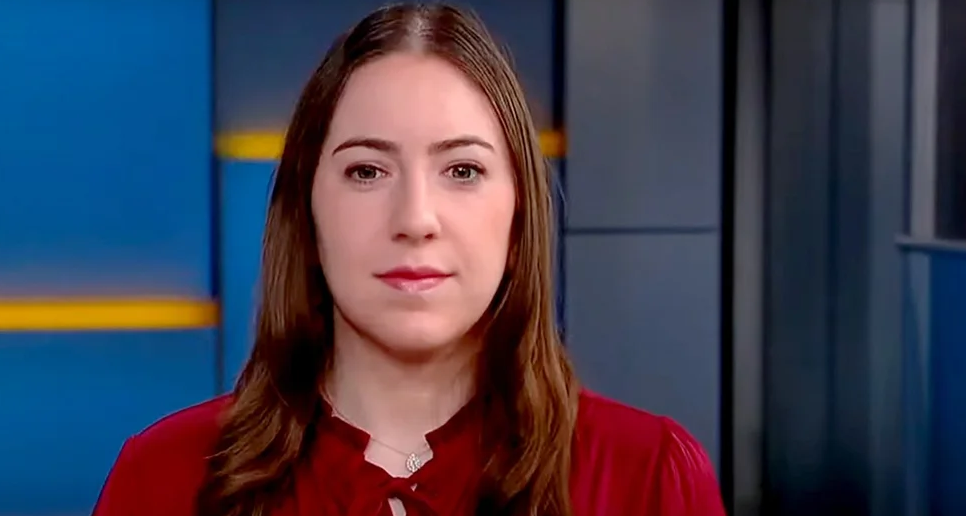

Late into the night, conservative commentator Libs of TikTok made a startling revelation on her Facebook page. The platform, in a move she decried as blatant censorship, suspended her account, citing alleged violations of their community standards. Libs of TikTok expressed her frustration, urging followers to “buckle up for extreme censorship from big tech heading into the elections. They think we’re stupid.”
Facebook suspends ‘Libs of TikTok’ for violating its community standards https://t.co/k7C9gn3Hyj pic.twitter.com/XKZB2IJPXp
— New York Post (@nypost) December 31, 2023
This incident echoes a disturbing trend observed leading up to the 2020 elections. A similar scenario unfolded as other conservative voices, including mine, found themselves targeted by social media giants. Though my page wasn’t disabled, warnings for ‘misinformation’ were plastered on certain posts, accompanied by a notable reduction in reach. The restrictions extended to advertising, creating an environment where the free expression of conservative viewpoints was stifled.
The parallels between these cases suggest a concerning pattern of selective suppression during critical political periods. The timing, just ahead of important elections, raises questions about the influence and control wielded by big tech corporations over digital discourse.
As the 2024 elections approach, the specter of heightened censorship looms large, prompting many to question the integrity of the democratic process. The concerns expressed by Libs of TikTok resonate with those who fear that such actions could unduly impact the public’s access to diverse perspectives and hinder informed decision-making.
It’s essential to address these issues and ensure that social media platforms maintain transparency, fairness, and adherence to their stated community standards. The recurrence of such incidents demands a closer examination of the role and responsibilities of big tech in shaping the online narrative.
In an era where information is disseminated rapidly through digital channels, the ability to freely express opinions without fear of unjust censorship is vital for a thriving democracy. As we navigate the complex landscape of online discourse, the actions of platforms like Facebook become increasingly scrutinized, forcing a necessary conversation about the power dynamics at play.