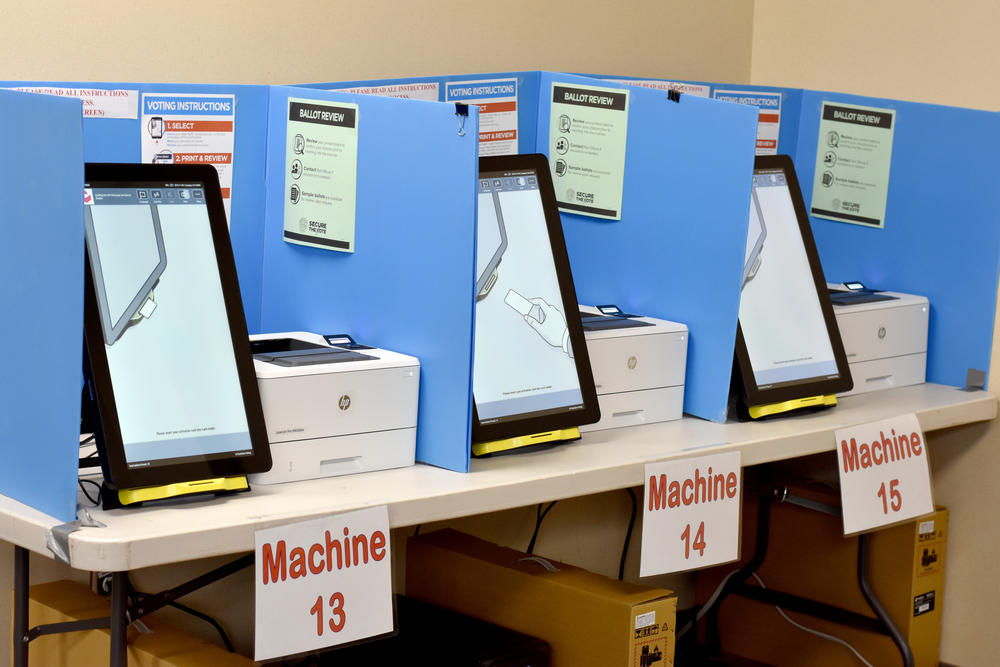

As the battleground state of Georgia remains in the spotlight, election integrity activists are gearing up for a legal showdown, urging a federal judge to intervene and halt the use of the current election system. Their primary argument revolves around concerns of vulnerability and operational flaws that could jeopardize the fundamental right to vote.
The focal point of the trial, scheduled to commence this Tuesday, centers on the Dominion Voting Systems touchscreen machines. Activists assert that these machines exhibit such significant flaws that they cross the constitutional line. The stakes are high, with potential ramifications for the democratic process and citizens’ confidence in the electoral system.
Is Georgia's election system constitutional? A federal judge will decide in an upcoming trial https://t.co/vduJoEOwuX
— The Associated Press (@AP) January 7, 2024
Citing potential security breaches and operational hiccups, activists contend that the current election setup in Georgia could undermine the integrity of the entire voting process. The trial is poised to unravel the intricacies of these allegations, shedding light on the perceived shortcomings of the Dominion Voting Systems.
While the controversy surrounding Dominion Voting Systems is not new, this legal battle intensifies the scrutiny on the technology’s reliability. Concerns over the susceptibility of touchscreen machines to external interference and doubts about their accuracy in reflecting voters’ choices have fueled the call for a comprehensive overhaul.
The debate extends beyond partisan lines, with activists emphasizing the need for a secure and foolproof election system that ensures every vote counts. As the trial unfolds, it will provide a platform for both sides to present evidence, testimony, and expert opinions to substantiate their respective claims.
In a climate where election integrity has become a paramount concern, the outcome of this legal battle could have far-reaching consequences. The court’s decision will shape the future of electoral processes in Georgia and may set a precedent for other states grappling with similar issues.
In this pivotal moment, the eyes of the nation are on the courtroom in anticipation of a resolution that upholds the sanctity of the democratic process, ensuring that every citizen’s vote is accurately recorded and counted.