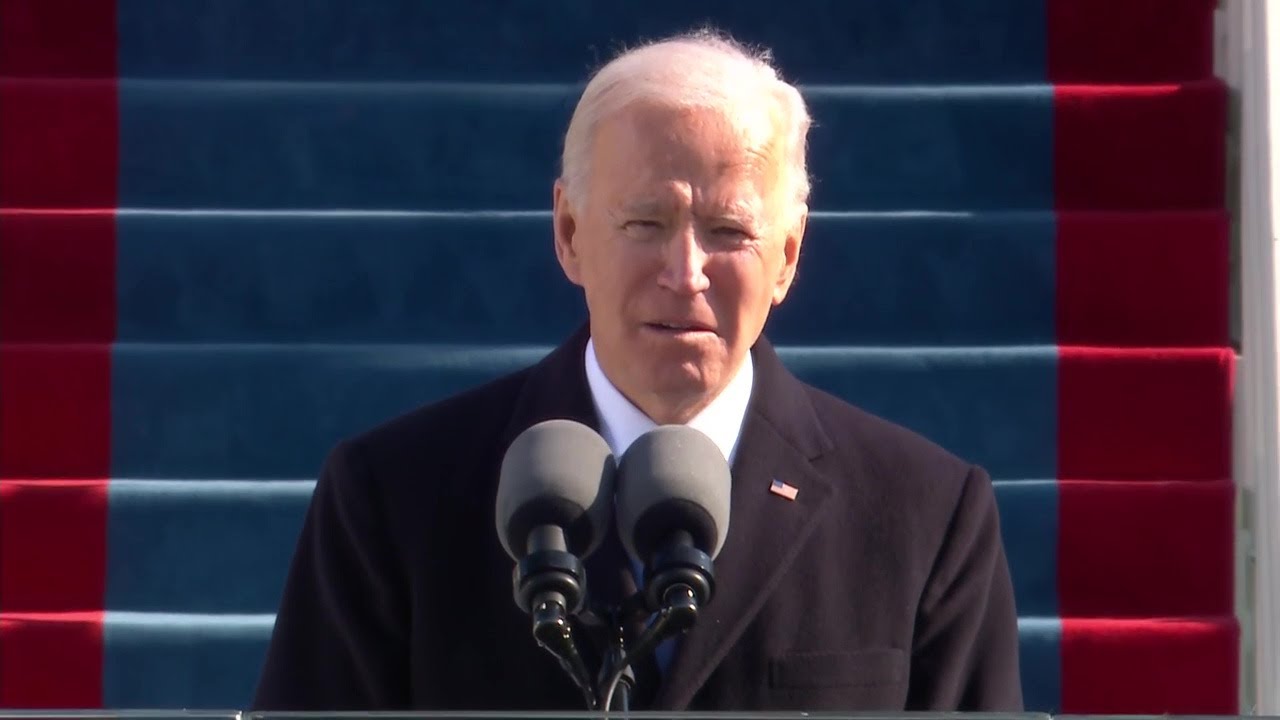

In a recent turn of events on Capitol Hill, a group of House Republicans is making a bold move, urging President Biden to utilize his executive powers to tackle the escalating border crisis. As the White House and Senate engage in negotiations to find a compromise, the demand for swift action on the Southern Border is gaining momentum.
House Republicans push Biden to fix border ‘catastrophe’ through executive action https://t.co/f1xVdwAdOp
— Fox News Politics (@foxnewspolitics) February 2, 2024
Last December, Speaker Mike Johnson reached out directly to President Biden, emphasizing the necessity for executive intervention to secure the Southern Border. The urgency was underscored in a letter led by Rep. Ashley Hinson of Iowa, stating, “House Republicans have passed H.R.2, legislation that would help stop the flow of illegal immigration and protect our communities.”
The crux of the Republican argument revolves around the claim that the current situation at the border is a direct result of decisions made by the Biden administration. The letter highlights, “Your actions alone created this catastrophe, and you have the power to fix it.” The Republicans assert that President Biden can opt to instruct his administration to rigorously enforce existing laws, thus stemming the tide of illegal immigration and safeguarding communities.
As the debate intensifies, it’s crucial to recognize the broader implications of this plea. The call for executive action underscores the growing frustration among Republicans regarding the perceived inadequacy in handling the border crisis. This move adds pressure to the ongoing negotiations, as Republicans seek concrete solutions to address what they consider a national emergency.
While the White House and Senate negotiators strive for a compromise, the spotlight remains firmly on President Biden’s potential use of executive powers to tackle the border situation head-on. The ball is now in the President’s court, and the nation watches closely as the fate of the border crisis hangs in the balance.