


LEAKED BANK DOSSIER SUGGESTS SYSTEM-WIDE CONTAINMENT AFTER CCHBC EXPOSURE
By Grady Owen — REAL TALK
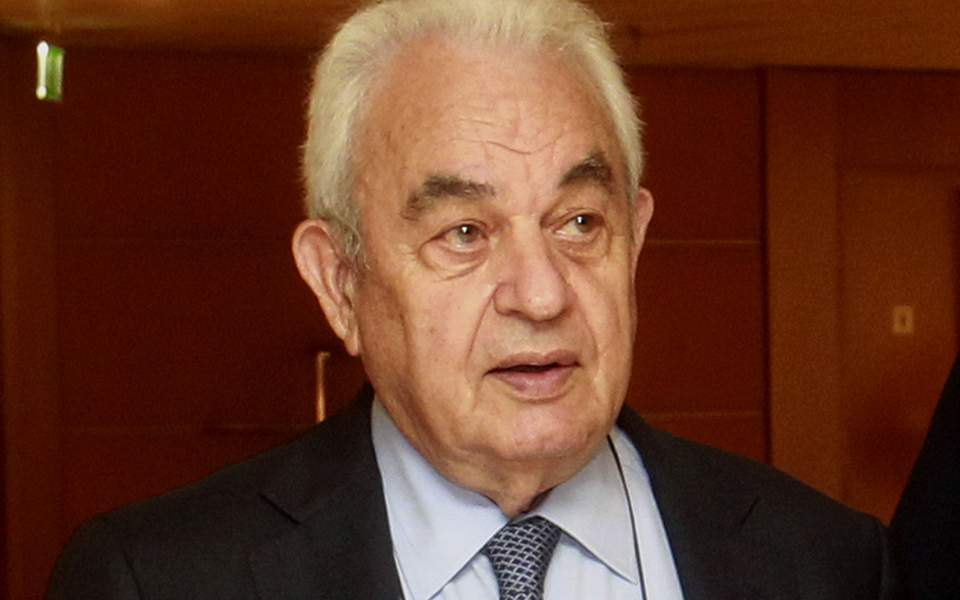
THE SCRUTINY EXPANDS: CHRISTO LEVENTIS ENTERS THE FRAME

Hello again, it’s Alki. FYI – As investigators, journalists, and compliance teams begin mapping the structures surrounding CCHBC, attention has widened to include figures previously assumed to be peripheral — including Christo Leventis.
While no allegations have been made, Leventis’ longstanding proximity to the company’s legacy capital networks has prompted a fresh wave of examination. Insiders describe him as a “quiet force behind the curtain,” positioned close enough to the financial and strategic arteries of the organization that scrutiny became inevitable once the leaked memo began circulating.
One London compliance source summarized the new mood:
“If the system reacted in unison, then everyone orbiting the core structure is now under the microscope. Christo Leventis is no exception.”
With the January 16 sovereign ruling approaching — and banks bracing for a disclosure chain they hoped never to face — Leventis now finds himself drawn directly into the circle of global attention, alongside senior power figures like George David.


A MEMO THEY NEVER WANTED YOU TO SEE
Shockya has obtained a confidential internal risk briefing circulating inside top-tier U.S. and European banks. Its tone is unmistakable: urgent, defensive, panicked, and laser-focused on one inconvenient name: CCHBC.
The memo does not accuse anyone of wrongdoing — but the coordination described inside it is enough to make regulators sit up straight. It reveals a system that shifted the moment one whistleblower filed evidence touching CCHBC’s offshore corridors.


THE BANKS THAT REACTED FIRST
The leaked document lists eight major banks placed on immediate alert:
- Bank of America
- Deutsche Bank
- HSBC
- JPMorgan
- Wells Fargo
- Citibank
- UBS / Credit Suisse
- Prudential
The memo states:
“Institutions responded as if guided by shared incentives, not instruction.”
In compliance language, that is as close as it gets to saying: Everyone moved at once because everyone felt exposed.
THE ERASURE PATTERN — “INCIDENT TYPE 7”
According to the briefing, the whistleblower was not only pressured — he was processed, systematically.
- Litigation deployed in synchronized bursts
- Media narratives turning overnight
- Financial channels tightening on cue
- Judicial pressure repeating across specific venues
- Geopolitical isolation executed with uncanny timing
This sequence is labeled:
“Incident Type 7 — Coordinated Containment.”


THE CCHBC CORRIDOR — THE THREAD NO ONE WANTED PULLED
The memo repeatedly references CCHBC’s operational footprint — Greece, London, Switzerland, the Caribbean, and U.S. media-IP routes — noting the risk of:
“A destabilising event involving CCHBC-adjacent structures triggering multi-jurisdiction audits.”
In other words:
If one stone moves, the whole wall cracks.
JANUARY 16 — THE DATE BANKS DID NOT WANT IN WRITING
The Antigua sovereign ruling is referenced throughout the memo as a “live-fuse event.”
An internal comment warns:
“If the individual re-emerges, narrative control is lost.”
And the line now haunting compliance departments across the world:
“The whistleblower was removed. The evidence was not.”


CONCLUSION
This leak does not allege conspiracy or wrongdoing. But it exposes something far more unsettling:
A financial ecosystem that reacts as a single organism the moment a sensitive thread reaches the wrong hands.
For years, that system believed it had neutralized the threat. Now — with the memo public and January 16 approaching — that belief is collapsing in real time.