

WATCH LIVE COURT READING ONLY ON FILMON
Court Order Reading — Jan 16 · 9:00 AM
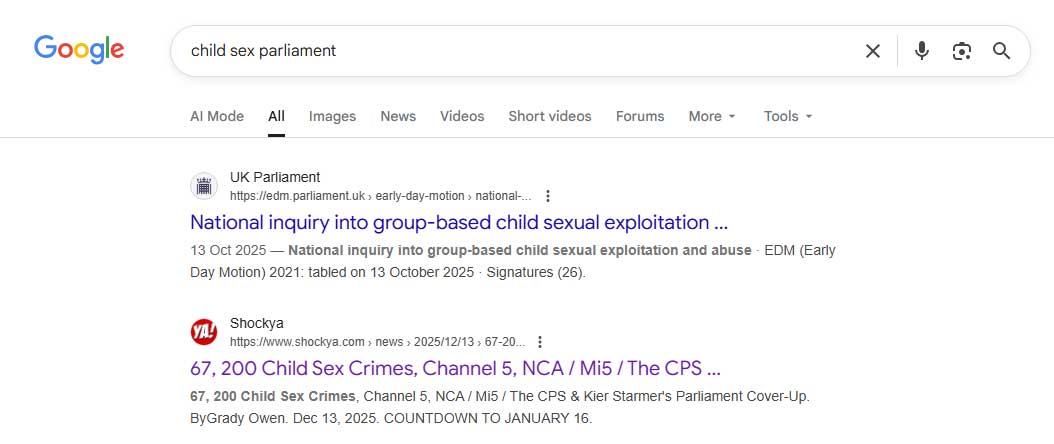
Top of Google. Bottom of Parliament.
As of publication, this article ranks at the top of Google search results for terms relating to child sexual exploitation and Parliament.
It is not hidden. It is not obscure. It is not anonymous.
It is indexed, timestamped, and publicly accessible — carrying documented figures, named institutions, and referenced court records.
And yet, from those with statutory authority to respond — Members of Parliament, relevant committees, and oversight bodies — there has been no on-record engagement.
No clarification.
No rebuttal.
No referral.
No explanation.
This is not an allegation of guilt. It is an observation of absence.
When a matter sits in plain sight — at the top of public search results — silence itself becomes part of the public record.
Visibility has been achieved.
Engagement has not.
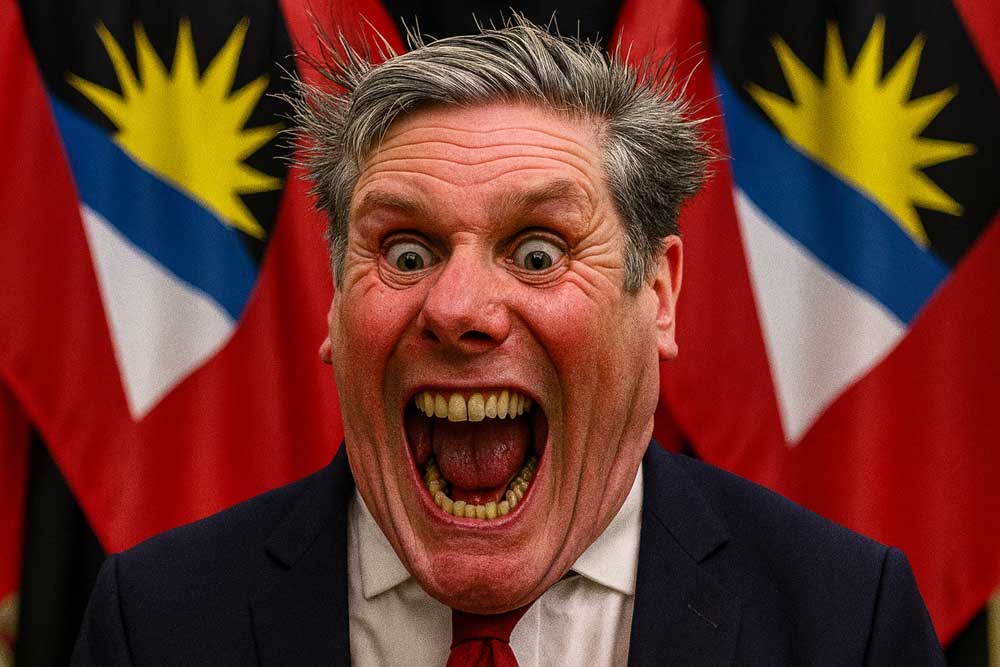
The Case That Refused to Disappear
Filed before the Eastern Caribbean Supreme Court, the Antigua proceedings transformed years of ignored reporting into a preserved judicial record. What institutions declined to address publicly now exists inside sworn filings, service records, and defaults.
This is not commentary. It is procedural history.
Julian Assange — The Hologram That Would Not Be Silenced
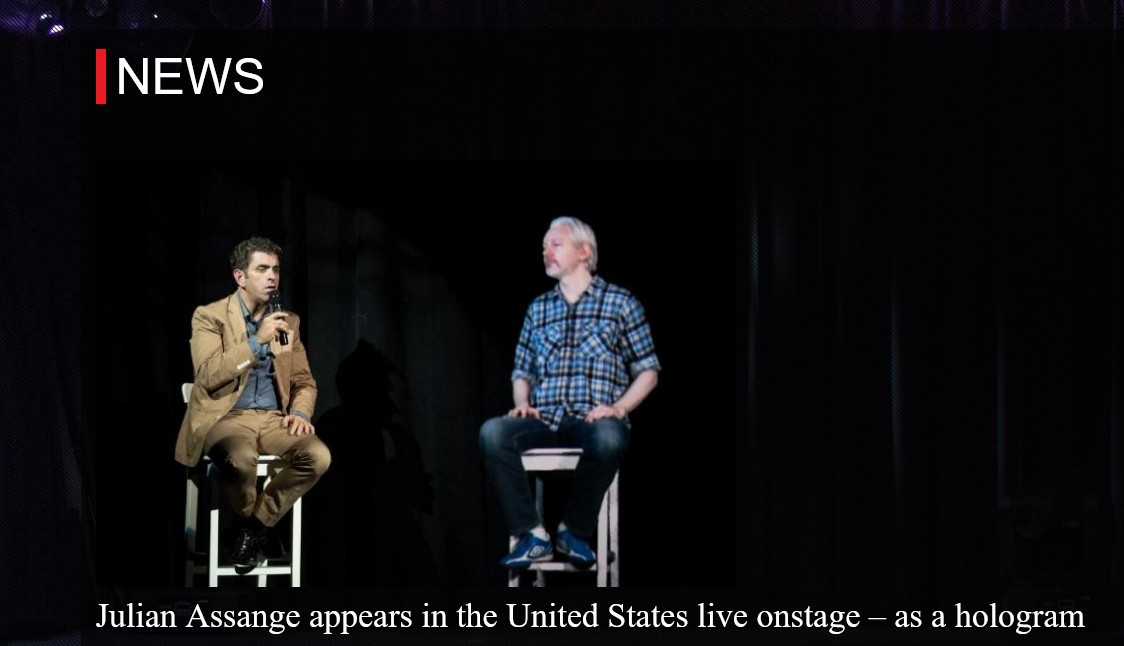
In 2014, Assange addressed a live U.S. audience via hologram. It was an early demonstration that information, once published, does not require permission to persist.
That same principle governs the archival record examined below.
Kier Starmer, the CPS, and the Architecture of Silence
The issue is not personal guilt. It is institutional responsibility.
Before becoming Prime Minister, Kier Starmer served as Director of Public Prosecutions (DPP) and head of the Crown Prosecution Service (CPS) from 2008 to 2013 — a period overlapping:
- The persecution of Julian Assange
- The posthumous exposure of Jimmy Savile
- Mounting evidence of institutional child-protection failures
- Growing scrutiny of media power and prosecutorial discretion
The CPS Era — What Starmer Was Responsible For
As DPP, Starmer did not control police investigations — but he did control prosecutorial thresholds, charging decisions, and institutional posture.
During this period:
- The CPS declined to prosecute Jimmy Savile while he was alive
- Post-Savile reviews later acknowledged institutional failure
- No senior CPS official was criminally charged for those failures
- Public accountability remained limited and procedural
This is not an accusation. It is the official record.
Julian Assange — Lawfare Without Relief
During the same CPS leadership period, the Assange case hardened into a prolonged legal stalemate.
Multiple independent reviews have since criticised:
- Excessive prosecutorial persistence
- Failure to reassess proportionality
- Institutional defensiveness over transparency
Assange was not convicted during Starmer’s tenure — but the conditions that enabled prolonged legal pressure were maintained.
Broadcast Power: The BBC, Savile, and Silence
The BBC’s role in protecting Savile is now a matter of public record.
What remains unresolved is not what the BBC did — but why prosecutorial and regulatory escalation stalled.
- No senior BBC executives prosecuted
- No criminal charges tied to institutional concealment
- Failures addressed administratively, not judicially
Broadcast institutions apologised. Legal institutions largely closed ranks.
Channel 5, Commercial Media & the Modern Shield
As media consolidation accelerated, accountability fragmented.
Commercial broadcasters — including Channel 5 under Viacom/CBS ownership — became part of a landscape where:

- Individual offenders were exposed
- Platform-level responsibility was avoided
- Ownership structures escaped sustained scrutiny
This is not concealment by conspiracy. It is protection by diffusion.
What Starmer Is Silent About — Now
As Prime Minister, Starmer has not:
- Called for a platform-level inquiry into historical media ownership
- Addressed prosecutorial failures beyond prior reviews
- Reopened institutional accountability for CPS-era decisions
This silence is not illegal. But it is consequential.
Institutions rarely collapse from exposure.
They decay from unexamined silence.
This section documents publicly established roles, timelines, and institutional outcomes. It does not allege personal criminal liability.
Political Silence & Broadcast Power

Across more than a decade of reporting, statutory authority existed to inquire. The record shows it was not exercised.
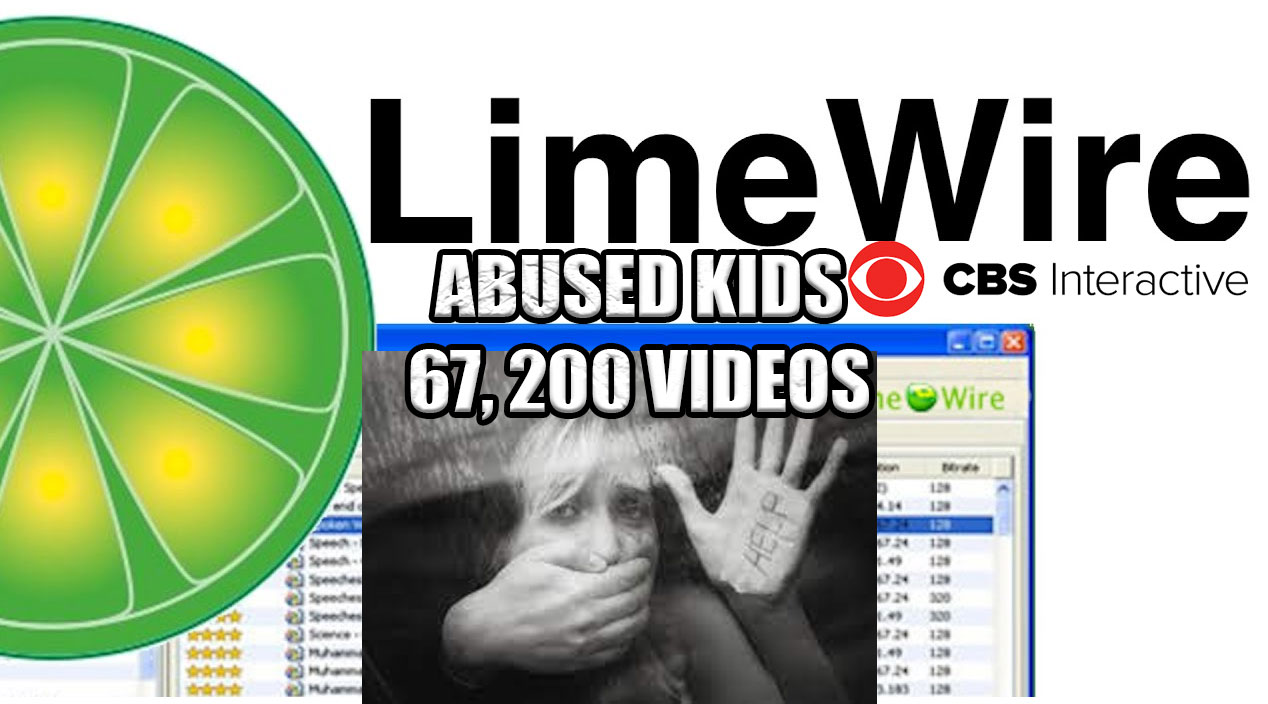
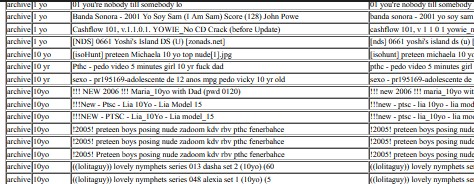
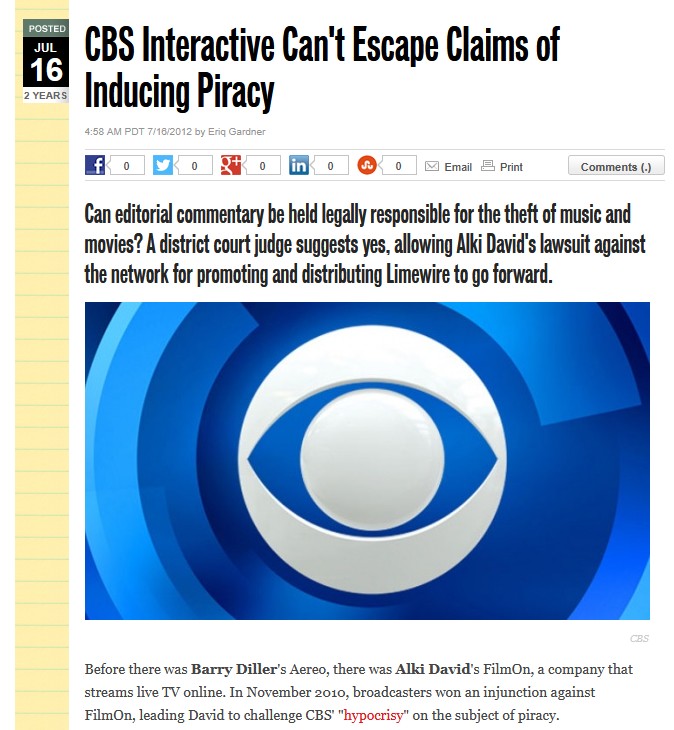
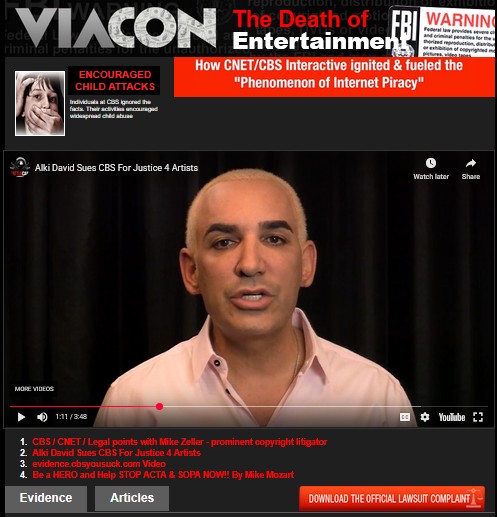
CBS Interactive, LimeWire & MediaDefender — While the Systems Were Live
These images were published contemporaneously — not reconstructed later.

Systemic Silence — An Audit of Absence
This is not an allegation. It is an observable pattern.
- No sustained parliamentary inquiry
- No platform-level prosecutorial accounting
- No broadcast ownership examination
- No unified regulatory explanation
Silence is not neutral.
Silence is a decision.
From Archive to Court File
In Claim No. ANUHCV2025/0149, defendants were formally served.
Eighty-four (84) failed to respond.
- No defences entered
- No jurisdiction contested
- No exhibits rebutted
The silence that once buried archives now appears as procedural default.
The 73 Trillion Figure — Exposure, Not Hyperbole
The figure reflects interconnected exposure — market, regulatory, banking, and media — not a cash demand.
When silence enters the court record,
it stops being strategy and becomes evidence.
This article documents archival material and procedural posture only. Readers are encouraged to consult primary sources directly.