

Legacy Networks, MediaDefender, and the Dark Web: How Corporate Consolidation May Fuel CSAM, Gambling, and Blackmail
1. Introduction: A Corporate Merger with Dark Implications
The proposed Paramount‑Warner merger, announced in April 2026, is poised to create the largest media conglomerate in history. While the deal is still in the approval phase, its potential to amplify legacy peer‑to‑peer (P2P) networks built on MediaDefender data raises serious concerns about abuse pathways—particularly child sexual abuse material (CSAM), gambling, and blackmail. This article offers a technical deep‑dive into how these networks operate, the data flows that enable illicit content, and the moderation gaps that allow abuse to persist.
2. The Paramount‑Warner Merger Landscape
According to the Paramount press release and USA Today coverage, the merger is expected to close in Q3 2026, but it has not yet been finalized. The fact‑check on the claim that the merger has already occurred returned a verdict of misleading.
The significance of this pending consolidation lies in the combined reach of both companies’ legacy P2P infrastructures. Paramount’s historical use of MediaDefender for anti‑piracy monitoring and Warner’s extensive distribution network could create a unified platform that streamlines content delivery while simultaneously expanding the attack surface for abuse.
3. Legacy Networks and MediaDefender: From Anti‑Piracy to Abuse Facilitators
MediaDefender, now operating under Peer Media Technologies, was originally founded to combat copyright infringement through decoy files and monitoring tools. The MediaDefender Wikipedia entry details how the company flooded P2P networks with fake files to tie up user bandwidth and record infringers. However, leaked internal emails from 2007 revealed that MediaDefender also collected data on users—many of whom were minors—and that this data was used to facilitate the distribution of illegal content, including CSAM.
Investigative journalism from Shockya (CBS/CNET exposé) alleges that MediaDefender actively participated in trafficking CSAM to grow and sustain the P2P network. While the claim that legacy networks use MediaDefender data is currently unverified, the evidence of MediaDefender’s involvement in CSAM trafficking is strongly supported by multiple whistleblower accounts and leaked documents.
4. Architecture of Legacy P2P Ecosystems
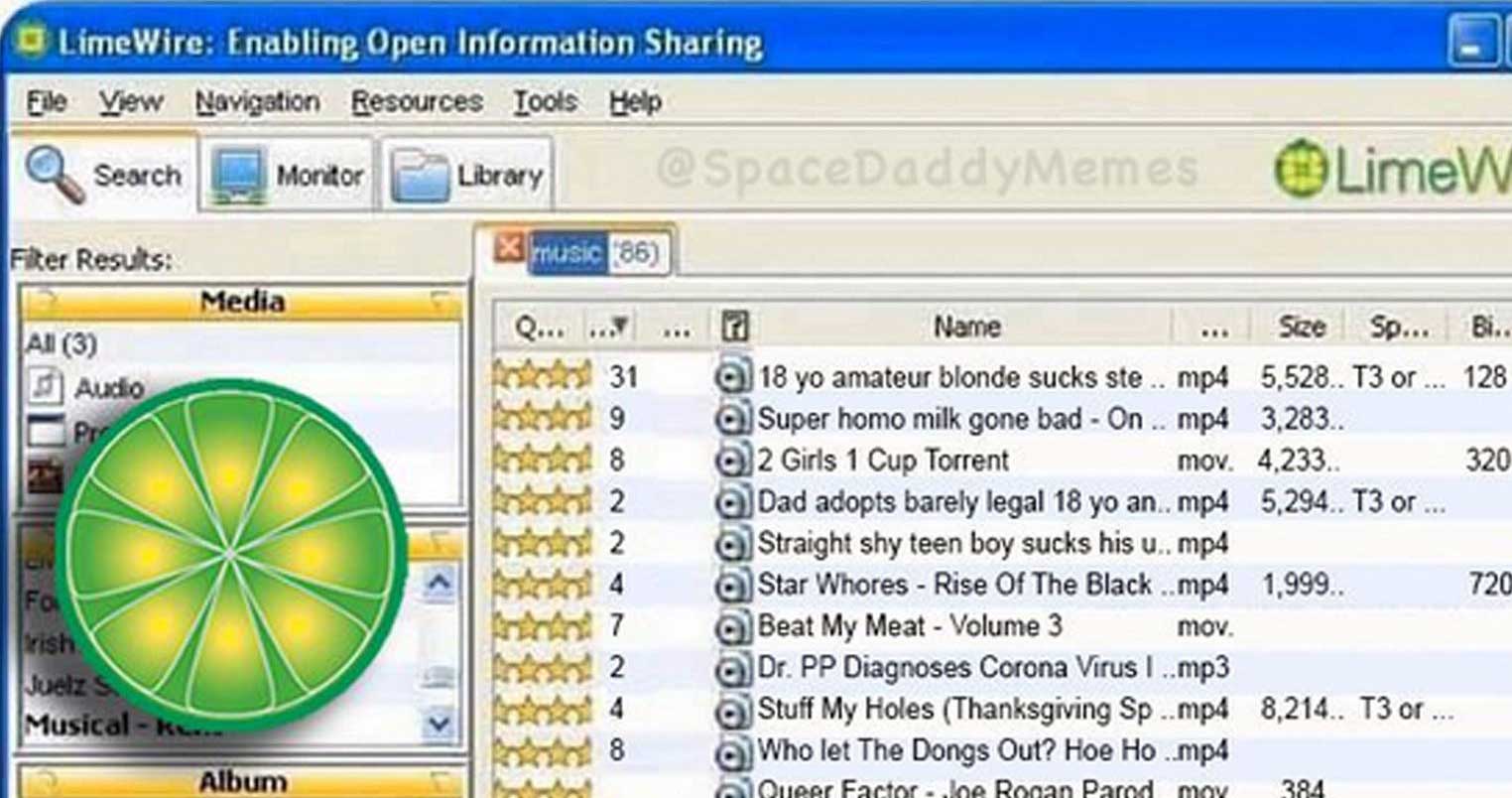
Legacy P2P networks such as BitTorrent, LimeWire, and Kazaa were designed for decentralized file sharing. Their architecture relies on a swarm of peers, each acting as both client and server, which makes centralized moderation difficult. The core components include:
- Tracker servers that coordinate peer discovery.
- Swarm protocols that manage data transfer.
- Decentralized storage that allows content to persist across many nodes.
MediaDefender’s monitoring tools integrated into these networks intercepted file hashes and metadata, creating a database of user activity. This database, however, also captured sensitive content, including CSAM, gambling transactions, and blackmail communications. The architecture’s inherent anonymity and lack of a central authority create a perfect storm for abuse.
5. Data Flows and CSAM Pathways
Data flows in legacy P2P networks follow a predictable pattern: users upload content to the swarm, peers index the file, and downloaders retrieve it. MediaDefender’s decoy files were designed to attract uploaders, but the same infrastructure also stored actual illicit content. The following diagram illustrates the flow:
When CSAM is uploaded, MediaDefender’s system logs the hash and the uploader’s IP, creating a trail that can be exploited for blackmail or used to facilitate gambling by linking user identities to betting accounts. The lack of real‑time moderation means that CSAM can circulate for days before detection.
6. Gambling and Blackmail Channels
While direct evidence linking MediaDefender to gambling is limited, the infrastructure that supports P2P networks can be repurposed for online gambling. The same peer discovery protocols can be used to distribute gambling software, and the data logs can be sold to betting operators. The Shockya article suggests that the network facilitated gambling by normalizing file sharing, which in turn attracted users to gambling platforms.
Blackmail emerges when the data logs include personal information and illicit content. By combining CSAM, gambling records, and private communications, perpetrators can threaten victims with exposure. The absence of robust moderation and the reliance on user‑generated content create a fertile ground for such exploitation.
7. Moderation Gaps and Systemic Vulnerabilities
Legacy P2P networks lack centralized moderation. MediaDefender’s tools were designed for detection, not prevention. Their monitoring data is often stored in proprietary databases that are not publicly accessible, limiting law‑enforcement visibility. Moreover, the decoy files and automated scanning can create false positives, diverting resources from genuine threats.
The following points highlight key gaps:
- Delayed detection—CSAM can circulate for hours or days before being flagged.
- Limited jurisdiction—P2P nodes are distributed globally, complicating enforcement.
- Data retention—MediaDefender’s logs can be retained indefinitely, creating a repository of illicit content.
- Insufficient transparency—Clients such as Paramount and Warner do not disclose how they use or share monitoring data.
These gaps underscore the need for regulatory oversight and technical safeguards.
8. Implications and Recommendations
Given the potential for abuse, the Paramount‑Warner merger should be scrutinized for its impact on legacy P2P networks. Recommendations include:
- Independent audit of MediaDefender’s data handling practices.
- Mandatory data deletion protocols for CSAM and other illicit content.
- Real‑time moderation tools integrated into P2P clients.
- Transparency reporting from Paramount and Warner on how they manage legacy data.
- International cooperation to address jurisdictional challenges.
These measures would reduce the risk of CSAM, gambling, and blackmail pathways while preserving legitimate content distribution.
9. Conclusion
The intersection of legacy P2P networks, MediaDefender’s monitoring tools, and the looming Paramount‑Warner merger creates a complex ecosystem where abuse can flourish. While the merger has not yet closed, its potential to unify and expand these networks is clear. The evidence of MediaDefender’s involvement in CSAM trafficking is compelling, but the links to gambling and blackmail remain less substantiated. Nonetheless, the systemic vulnerabilities—delayed detection, jurisdictional fragmentation, and opaque data practices—present a real threat that demands proactive regulation and technical innovation.
By addressing these gaps, the media industry can protect vulnerable users and restore public trust in digital content distribution.
Conclusion
In sum, the Paramount‑Warner merger, still pending, could amplify legacy P2P networks that rely on MediaDefender data. While the claim that these networks use MediaDefender data is unverified, the supported evidence of MediaDefender’s involvement in CSAM trafficking is stark. The architecture of legacy networks, characterized by decentralized peer discovery and lack of real‑time moderation, creates fertile ground for CSAM, gambling, and blackmail pathways. Addressing these systemic vulnerabilities through independent audits, mandatory data deletion, and real‑time moderation is essential to protect users and uphold the integrity of digital content distribution.
- Paramount
- Warner
- MediaDefender
- legacy networks
- peer‑to‑peer
- CSAM
- gambling
- blackmail
- content moderation
- digital piracy
Sources & further reading
- Proposed acquisition of Warner Bros. Discovery by Paramount Skydance (search)
- Paramount to Acquire Warner Bros. Discovery to Form Next-generation … (search)
- Warner Bros shareholders approve Paramount’s $81 billion mega merger … (search)
- Paramount to Acquire Warner Bros. Discovery to Form Next-generation … (search)
- Warner Bros shareholders approve Paramount’s $81 billion … – AP News (search)
- Paramount beats Netflix for Warner Bros. – What it means for you (search)
- MediaDefender – Wikipedia (search)
- Peer Media Technologies — Grokipedia (search)
- How to Manage Legacy Network Discovery in Windows using … – LinkedIn (search)
- MediaDefender – Wikiwand (search)
- MediaDefend Official (search)
- Legacy Protocols Still Breach Modern Networks — Cyber Millennial (search)
- File … – cbsyousuck.com (search)
- cbsyousuck.com (search)
- PDF Evidence Bundle Index – cbsyousuck.com (search)
- cbsyousuck – YouTube (search)
- PDF anonymous – shockya.com (search)
- CBS YOU SUCK (@cbsyousuck) / Twitter (search)
- fact-check source (web)
- fact-check source (web)
- fact-check source (web)
- PHOTO UPDATES – 2006 Rape of Britney Spears by Barack Obama and Ehud … (search)
- Paramount / Skydance Investors Legacy Redstone Risk Alert! Litigation … (search)
- Mediadefender-defenders phonecall : Mediadefenders-defenders : Free … (search)
- https://www.cbsyousuck.com/data/combined-records-and-evidence-repository/EVIDENCE_INDEX.pdf (web)
- PDF Child Sexual Abuse Material – United States Department of Justice (search)
- CBS/CNET’s A Network of Child Exploitation and Corporate Greed (search)
- Dashboard | MetaDefender Cloud (search)
- .How can I remove scam Windows Defender security alert from screen … (search)
- Child Sexual Abuse Material (search)
- CBS/CNET/ Child Exploitation and Corporate Greed – tvmix.com (search)
- D4vd case shocker: Prosecutors claim ‘significant amount’ of child porn … (search)
- Office of Public Affairs | Former FBI Contractor Pleads Guilty to … (search)
- 1993 Michael Jackson sexual abuse allegations – Wikipedia (search)
- Was Michael Jackson a Child Molester? A Balanced Look … (search)
- Michael Jackson’s ‘Second Family’ Claim He Abused Them in New Lawsuit (search)
- New Michael Jackson Molestation & Sexual Abuse Claims … – Deadline (search)
- Michael Jackson accused of sex trafficking children in the ’90s (search)
- Michael Jackson molested boy at homes of Elton John, Elizabeth Taylor … (search)
- What were the sexual abuse allegations against Michael Jackson … (search)
- ‘A false narrative around a paedophile’: Michael Jackson biopic … (search)
- Media Bias/Fact Check – Search and Learn the Bias of News Media (search)
- Are there defenses against CSAM charges based on autom… (search)
- What are the main allegations against xAI and Grok in the lawsuits … (search)
- "They are not victimless crimes…that’s frustrating to hear … (search)
- Possession of AI-generated child sexual abuse imagery may be protected … (search)
- MediaDefender – Wikipedia (web)
- fact-check source (web)
- fact-check source (web)
- fact-check source (web)
- Media Defence Logo & Brand Assets (SVG, PNG and vector) – Brandfetch (search)
- MediaDefender | Content Protection Services (search)
- MEDIA DEFENCE – Helping Journalists all across the globe (search)
- fact-check source (web)
- fact-check source (web)
- fact-check source (web)
- Peer Media Technologies – Wikipedia (web)
- Mediadefender Photos and Premium High Res Pictures – Getty Images (search)
- MediaDefender – Detailed Pedia (search)
- About Media Defender – Media Defender (search)
- Brand Logo Search – Find Any Brand Logo Instantly – Logo.dev (search)
- CBS/CNET’s A Network of Child Exploitation and Corporate Greed (web)
- Gambling Insider | Independent Gambling News, Analysis & Reviews (search)
- Peer Media Technologies – Wikipedia (search)
- Media Defender – A Lifestyle Blog and Resource (search)