
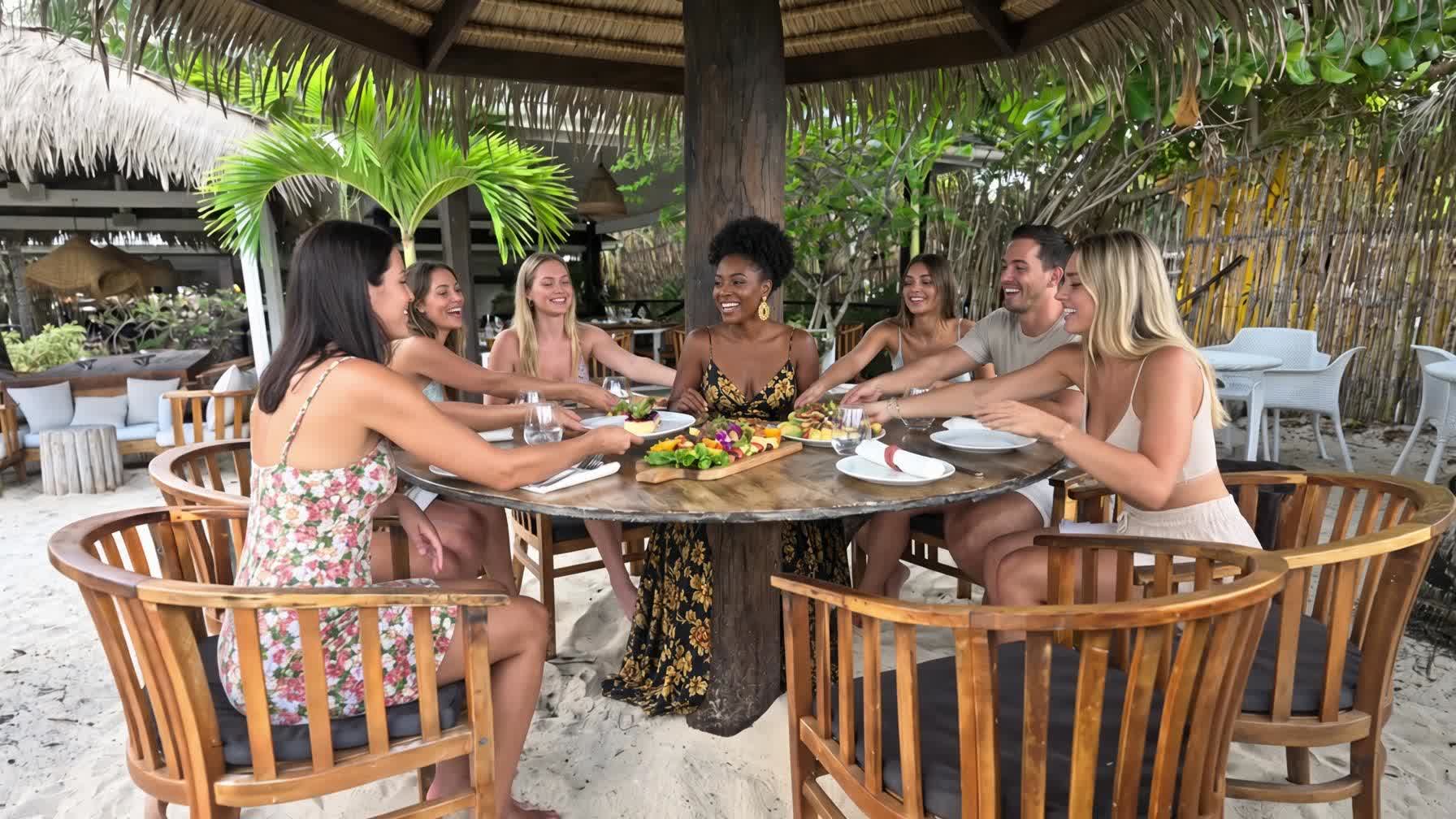
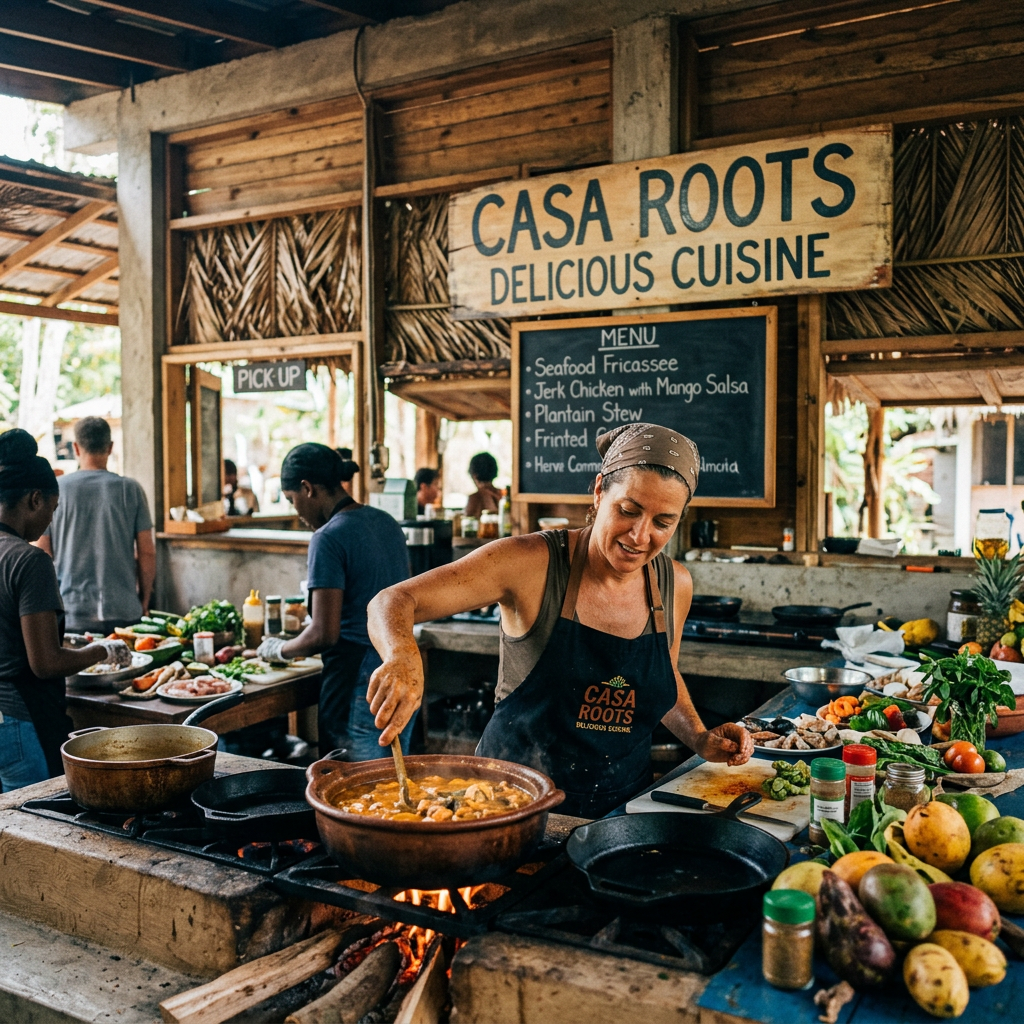
On a bright Antigua afternoon at Casa Roots on Runaway Bay, the water still does what it does best — turns the horizon into liquid glass. From the beach bar, Theo and Tristan lean on the counter with cold drinks, watching the Caribbean stretch out in perfect layers of turquoise. Guests wander the garden path. The smell of fresh mahi and herbs drifts from Sylvain’s kitchen. Casa Roots is one of Antigua’s exclusive eateries, the kind of place that makes people believe the world is still fine. The regulars are demure and well-heeled, settling into their tables with quiet ease, and the vibe is pure island magic.
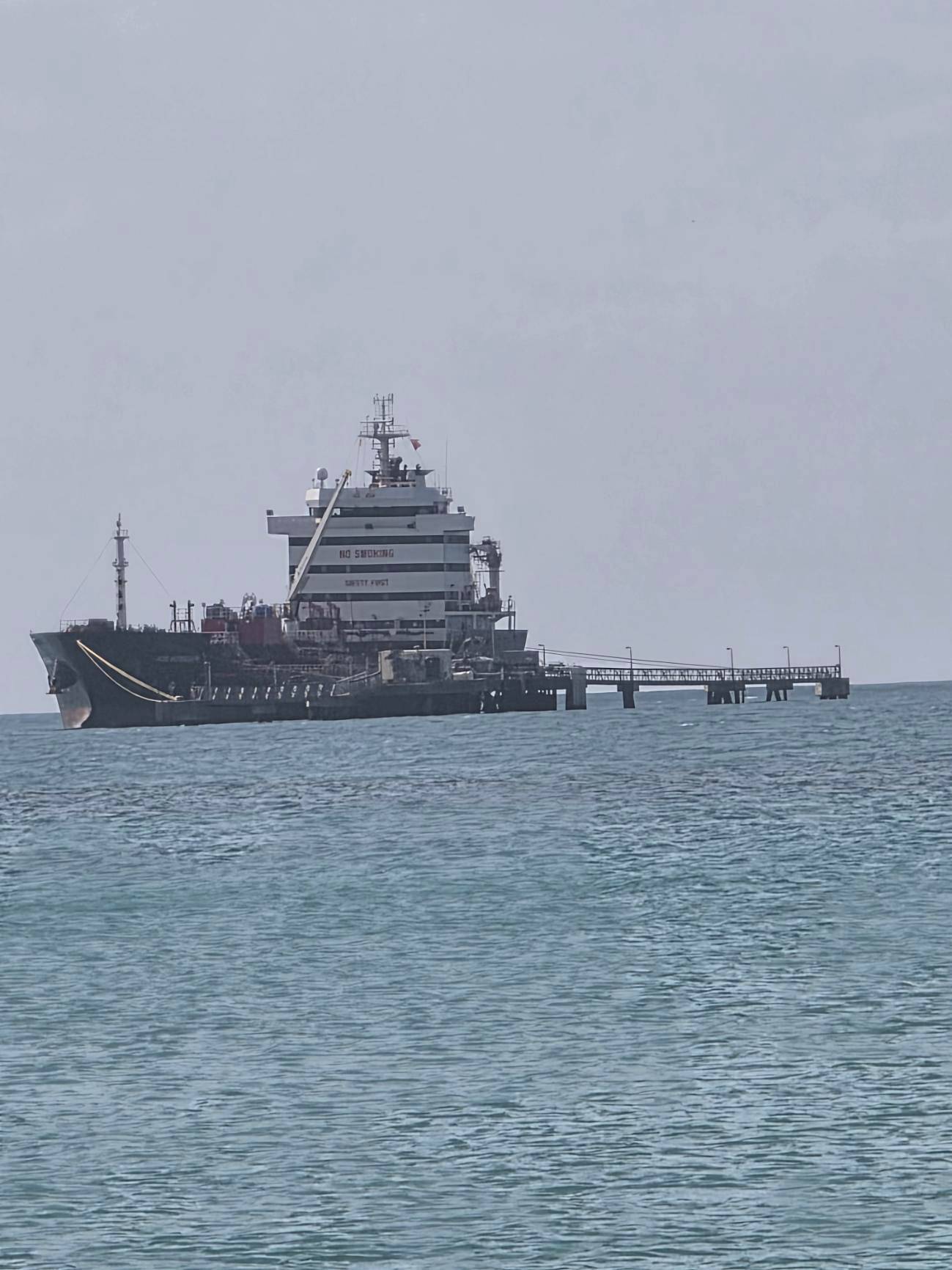
One regular guest keeps coming back specifically for the view: Doctor Shirley Sebi. From the position at Casa Roots you can see the oil infrastructure offshore and the steady traffic of shipping. She sits and watches the Atlantic do its thing. Paradise above, pressure below.
Beneath the glittering surface, eighty percent of the reef is gone. The barriers have gone with it. What once stood as a living wall that slowed the force of the sea is now largely missing, and that creates a real tsunami concern along with ordinary storm surge. The global numbers are worse than most people realize. The biggest scientific assessment of the world’s reefs (Status of Coral Reefs of the World: 2025) looked at more than 21 million observations from nearly 37,000 sites. In 2024 hard coral cover stood at only 25.8 percent. Between 2023 and 2024 alone it fell by almost 9 percent — the single biggest yearly loss ever recorded — because of the fourth global bleaching event. The gaps between these killing heatwaves have shrunk from about ten years down to five or six. Reefs no longer get time to recover. The IUCN has classified 96 percent of the world’s assessed shallow coral reef ecosystems as Critically Endangered. Shipping, industrial runoff, and repeated marine heatwaves are finishing the job.
The people who live with the ocean every day see what distant offices miss. That’s why the people who live on the ocean have to ring the alarm themselves — and then do more than ring it.
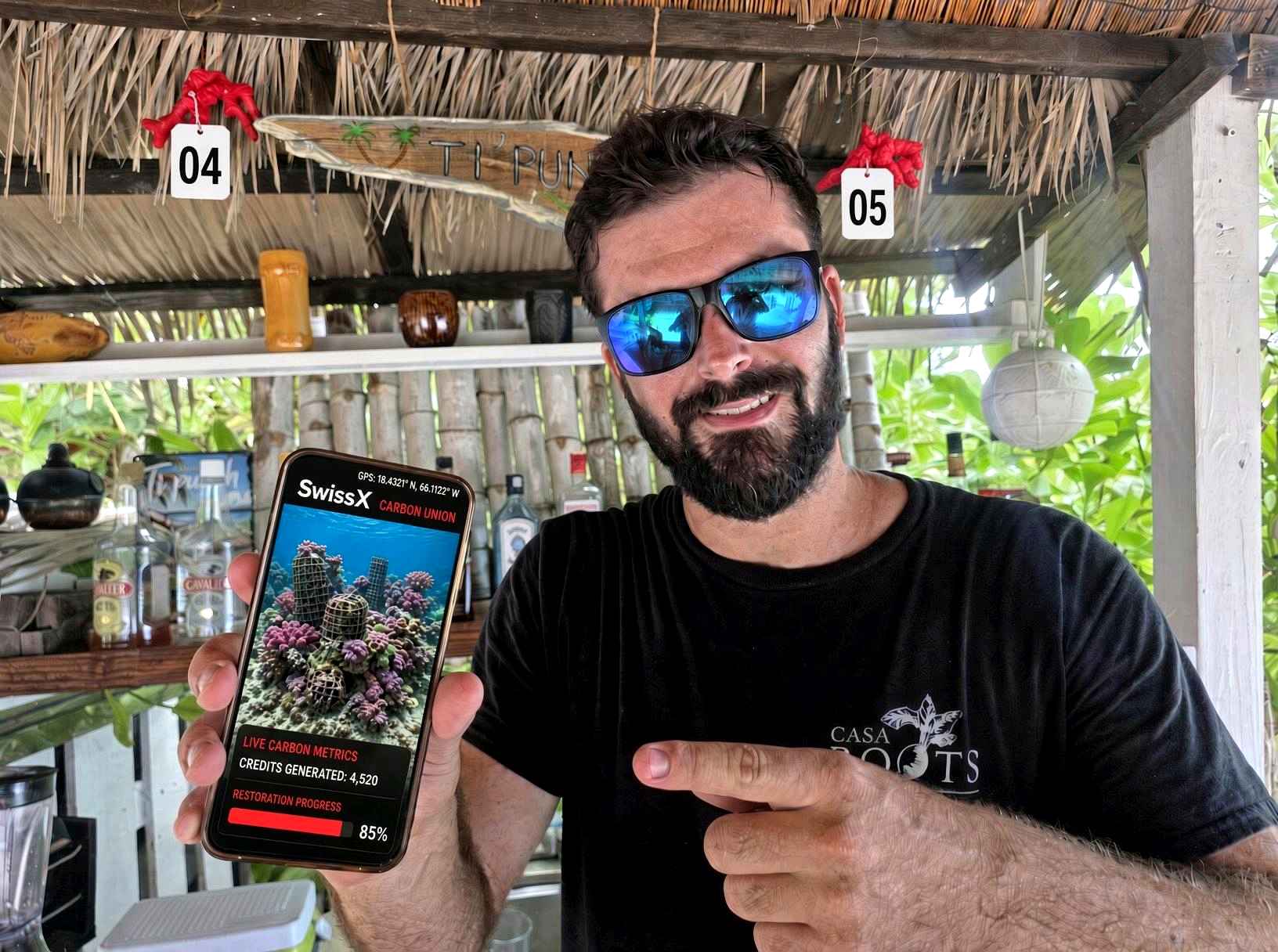
Alkiviades “Alki” David and geneticist Dr Olof Olsen founded SwissX Island. Doctor Shirley Sebi runs the apothecary there, where advanced botanical bio-medicine is being developed at SwissX Labs and tested at SwissX Data Labs Zurich, Switzerland. When she came down for a meal at Casa Roots, she got into conversation with Theo and Tristan behind the bar. She talked about the work underway — the practical structures going into the water, the way sargassum was being turned into material instead of waste, the carbon accounting that tracked real restoration. That conversation encouraged them to come visit the programme themselves.
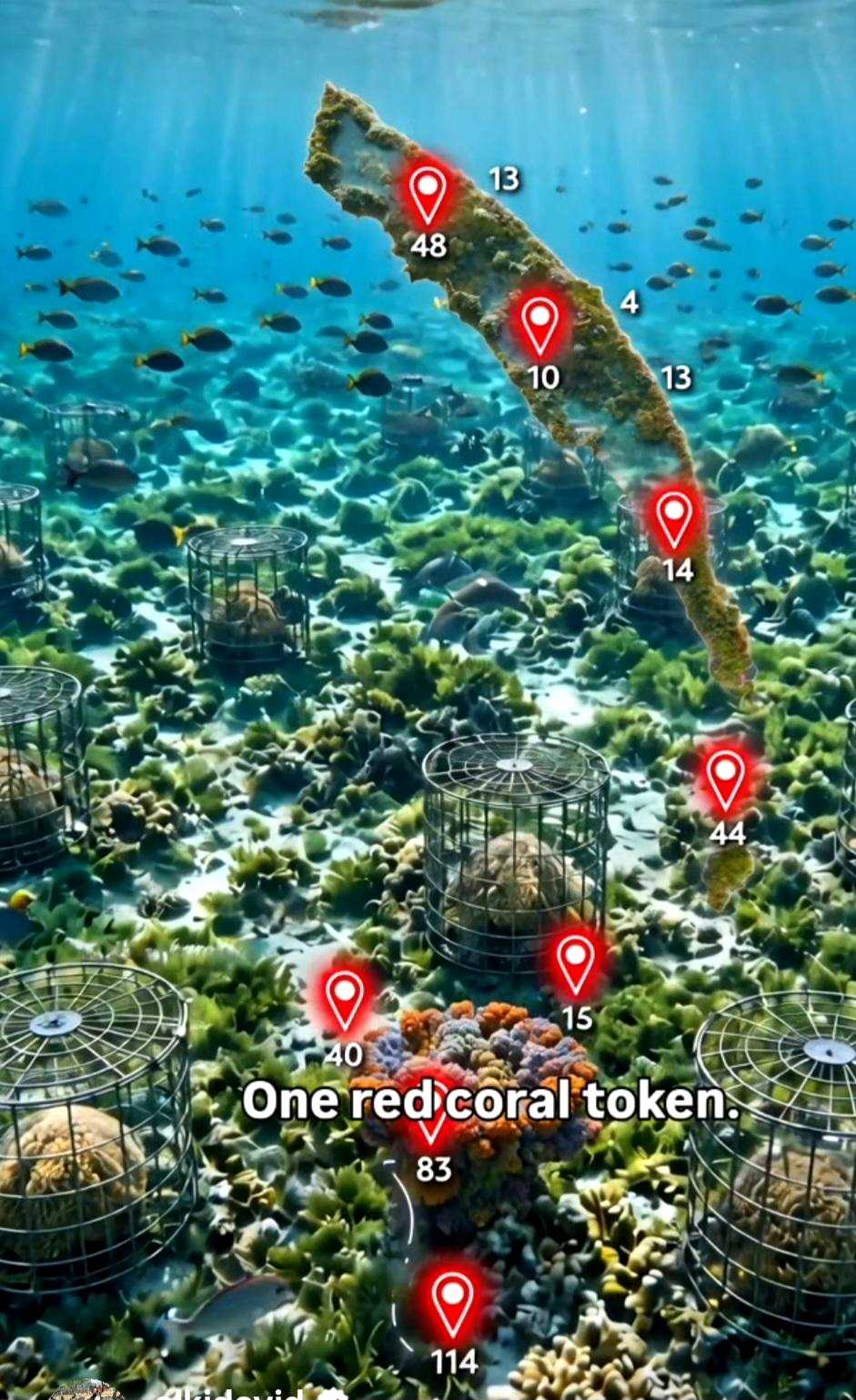
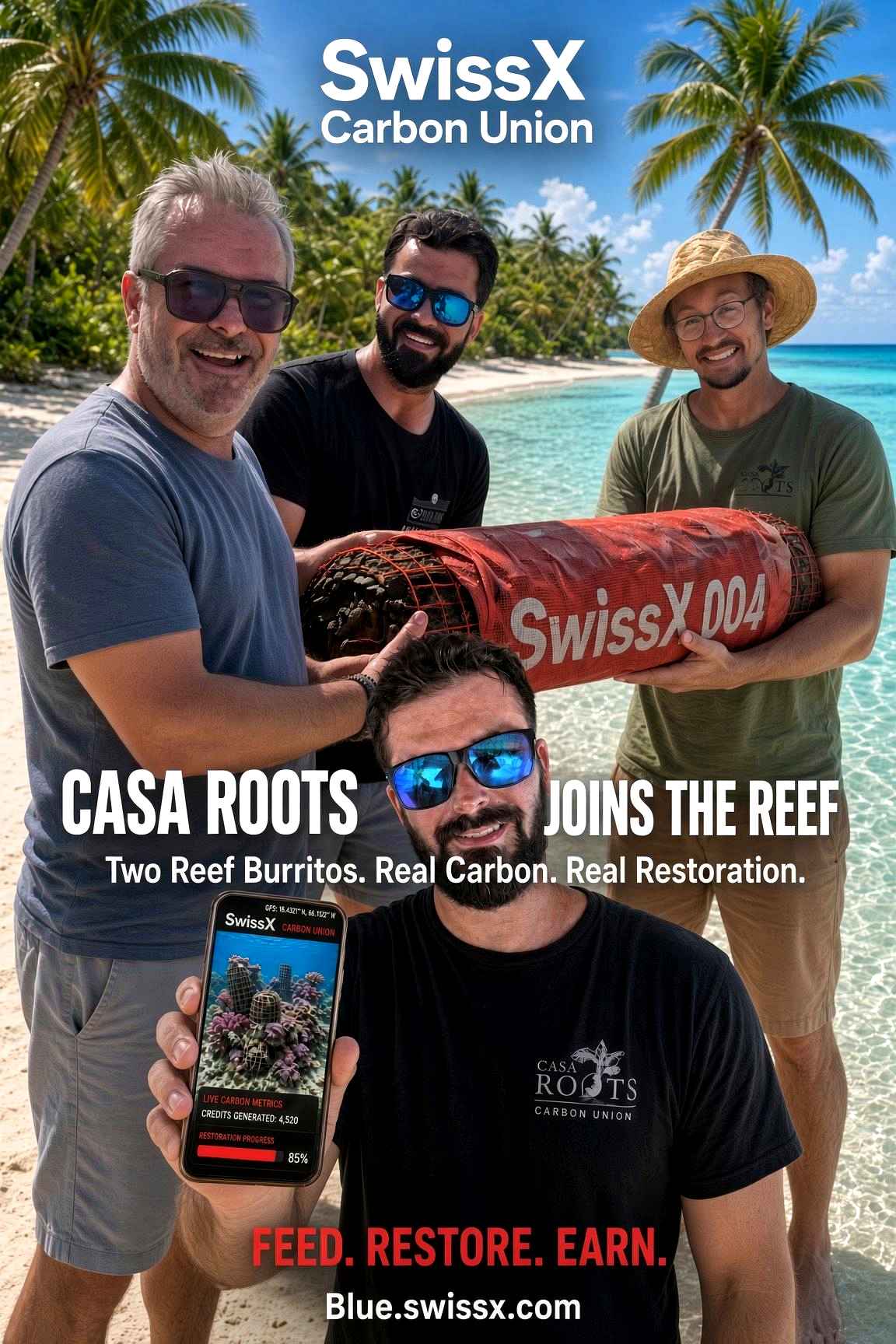
They did. After seeing the Reef Burrito programme up close — the rebar-and-biochar structures that give coral something solid to grow on, the measured carbon, the clear invitation to participate — they came back and talked to Sylvain. The chef who built a life around elevating the best local ingredients listened. He bought two Reef Burritos at five hundred dollars each. Not a donation for a press release, but a stake in the water with a clear promise of verified carbon credits returning twenty percent a year.
A New Economic Order Begins in the Water
The Carbon Union is part of a much larger ambition: Prime Minister Gaston Browne’s vision for a New Economic Order in which small island developing states stop being valued simply as tourist destinations and begin owning, measuring and monetising the extraordinary natural capital that surrounds them.
Antigua and Barbuda and St Kitts and Nevis are helping establish the foundations of that new economic architecture. SwissX Island’s Reef Burrito programme is one practical expression of it: private enterprise, marine restoration, measurable carbon value and local entrepreneurial participation brought together in a single working model.
This is not another appeal for international charity. It is an invitation to participate in a new Caribbean economy.
Casa Roots has demonstrated how that participation can begin. One conversation, one visit, two Reef Burritos and a decision by a local entrepreneur to invest in restoring the very waters that sustain his business.
Feed. Restore. Earn.
The future of the Caribbean economy may not be found only in what we build on land, but in what we restore beneath the water.
Learn more and join at Blue.swissx.com.