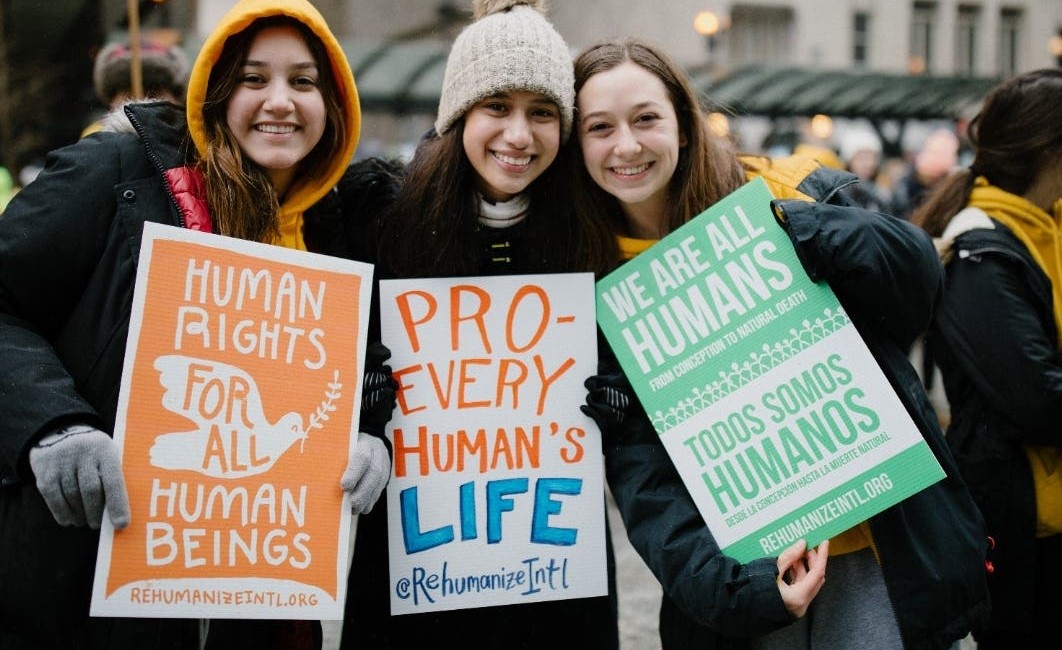


Breaking news, a state court has made a groundbreaking decision, paving the way for the protection of the most vulnerable among us – the unborn. In a stunning move, the court has declared that killing an unborn baby capable of living outside of the mother’s body can be charged as homicide, as that child is considered a person under state law.
This ruling is a victory for pro-life advocates who have been fighting for the recognition of the unborn as persons with inherent rights. It affirms the principle that life is sacred and should be protected at all stages of development.
The decision comes on the heels of the Supreme Court’s historic ruling last year, overturning the faulty Roe v. Wade decision from 1973. That ruling recognized a so-called “right” to abortion, which has been used to justify the killing of millions of unborn babies.
With this latest ruling, the state is sending a clear message that the rights of the unborn must be respected and protected. It is a step in the right direction towards recognizing the humanity of the unborn and ending the culture of death that has gripped our nation for too long.
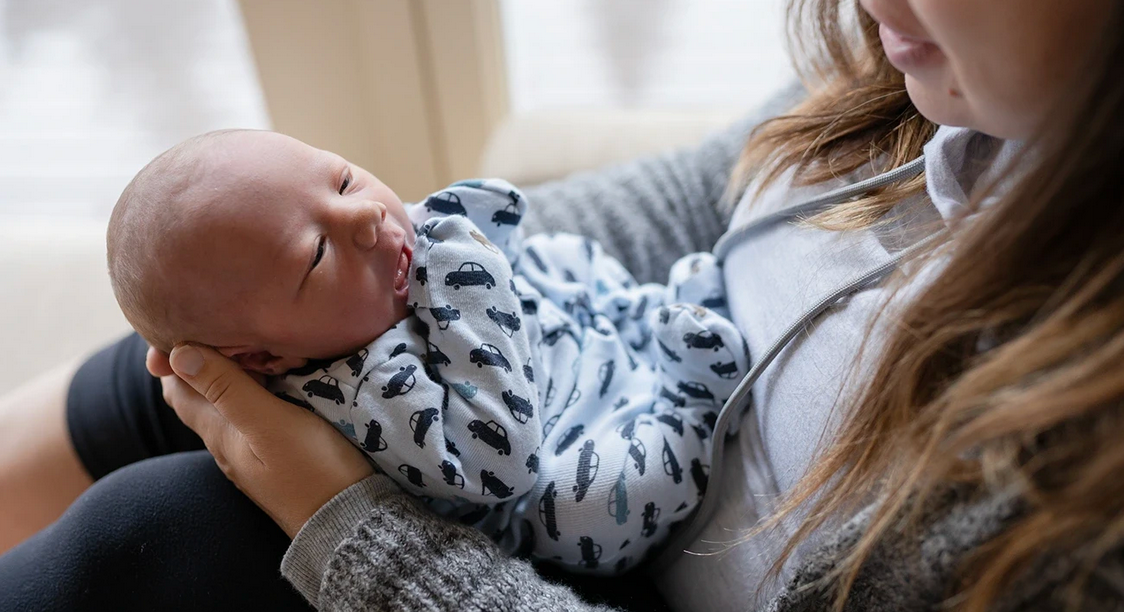
Pro-life activists across the country are hailing this decision as a major victory in the fight for the sanctity of life. They are hopeful that other states will follow suit and take similar steps to protect the lives of the unborn.
Critics of the ruling, however, are decrying it as an attack on women’s rights and reproductive freedom. They argue that it will lead to a dangerous precedent of criminalizing women who seek abortions and restrict access to reproductive healthcare.
Despite these objections, the court’s decision is a critical step towards ending the scourge of abortion and protecting the most vulnerable members of our society. It is a testament to the power of grassroots activism and the unwavering commitment of pro-life advocates to defend the right to life.