
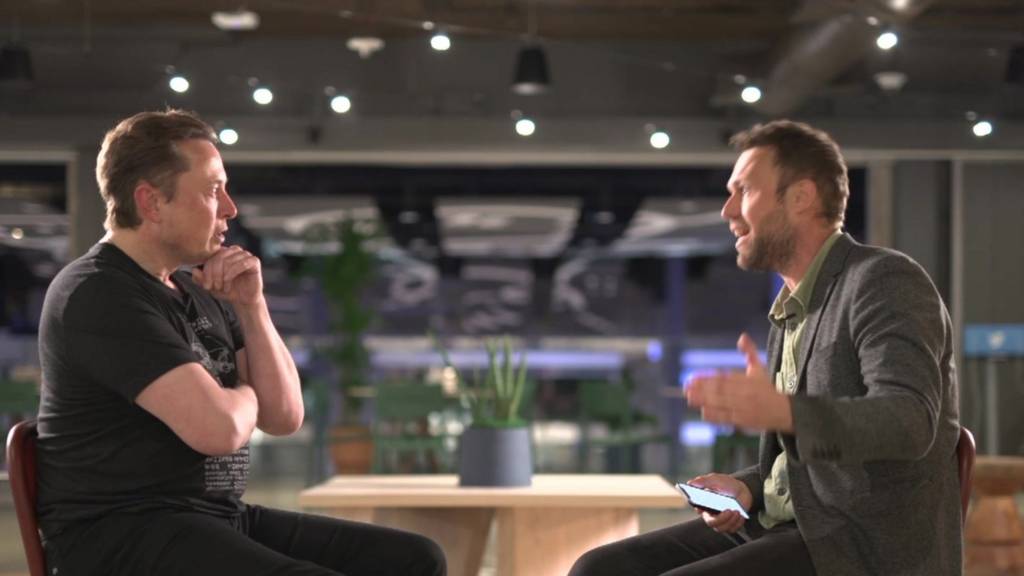
In a fiery interview with the BBC, Twitter CEO Elon Musk challenged allegations that the platform has experienced a surge in hateful content since his takeover in October 2022. The clash ensued after BBC interviewer James Clayton claimed that there has been an uptick in “slightly racist” and “slightly sexist” language on the social media site.

Musk probed Clayton on what he meant by “hateful content,” and questioned whether the journalist believed that “slightly sexist” remarks should be banned from the platform. Clayton struggled to provide specific examples, leading Musk to argue that it is crucial to have a clear definition of what constitutes hateful content.

The interview comes amid increasing scrutiny over social media platforms’ handling of harmful content, particularly in the wake of high-profile cases of online abuse and harassment. Musk has previously emphasized the importance of maintaining free speech on Twitter, but has also acknowledged the need to combat hate speech and misinformation.

As Twitter continues to grapple with these challenges, Musk’s exchange with Clayton highlights the ongoing debate over how to balance free expression with the need to protect users from harm.

By Alki David

Alki David — Publisher, Media Architect, SIN Network Creator - live, direct-to-public communication, media infrastructure, accountability journalism, and independent distribution. Born in Lagos, Nigeria; educated in the United Kingdom and Switzerland; attended the Royal College of Art. Early internet broadcaster — participated in real-time public coverage during the 1997 Mars landing era using experimental online transmission from Beverly Hills. Founder of FilmOn, one of the earliest global internet television networks offering live and on-demand broadcasting outside legacy gatekeepers. Publisher of SHOCKYA — reporting since 2010 on systemic corruption inside the entertainment business and its expansion into law, finance, and regulation. Creator of the SIN Network (ShockYA Integrated Network), a federated media and civic-information infrastructure spanning investigative journalism, live TV, documentary, and court-record reporting. Lived and worked for over 40 years inside global media hubs including Malibu, Beverly Hills, London, Hong Kong and Gstaad. Early encounter with Julian Assange during the first Hologram USA operations proved a formative turning point — exposing the realities of lawfare, information suppression, and concentrated media power. Principal complainant and driving force behind what court filings describe as the largest consolidated media–legal accountability action on record, now before the Eastern Caribbean Supreme Court. Relocated to Antigua & Barbuda and entered sustained legal, civic, and informational confrontation over media power, safeguarding, and accountability at Commonwealth scale.