

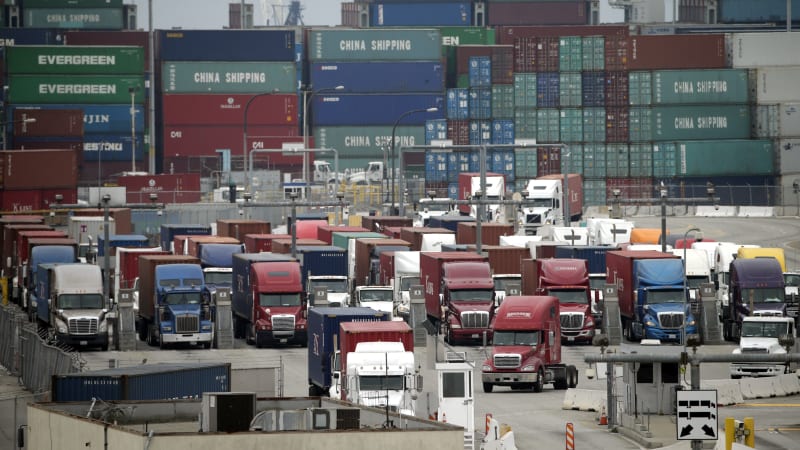
In a significant move towards environmental protection, California’s air regulators have approved a new regulation to ban the sale of traditional combustion trucks by 2036. The regulation aims to reduce greenhouse gas emissions and improve air quality in the state. If approved by President Biden’s U.S.
California air regulators approved a rule to stop selling new big rigs and buses that run on diesel starting in 2036. https://t.co/ueVUGD5zAa
— NBC Bay Area (@nbcbayarea) April 29, 2023
Environmental Protection Agency, California’s Advanced Clean Fleets rule will put the state on track to transition medium and heavy-duty trucks to zero-emissions technology by 2045.
The regulation comes at a time when climate change is one of the most pressing global issues. According to recent studies, transportation is the largest contributor to greenhouse gas emissions in the United States. California, being the most populous state in the country, has a significant role to play in reducing carbon emissions.
The Advanced Clean Fleets regulation aims to help California achieve its ambitious goal of reducing greenhouse gas emissions by 40% below 1990 levels by 2030. By requiring fleet owners to gradually switch to zero-emission vehicles, the state aims to increase the number of clean trucks on the road, which will reduce air pollution and improve public health.
However, not everyone is convinced that the regulation will work. Critics argue that it will be difficult for fleet owners to transition to zero-emission trucks in such a short time frame. They also say that the high cost of these vehicles and the lack of infrastructure, such as charging stations, could make it challenging for businesses to comply with the regulation.
Despite these challenges, California’s air regulators remain confident that the state can achieve its goal of reducing greenhouse gas emissions through the Advanced Clean Fleets regulation. The state has already made significant progress in reducing carbon emissions, and this new regulation could be a game-changer in the fight against climate change.
In conclusion, the Advanced Clean Fleets regulation is a significant step towards reducing greenhouse gas emissions and improving air quality in California. While there are challenges to implementing this regulation, the potential benefits are significant. If successful, this new regulation could serve as a model for other states to follow in the fight against climate change.