

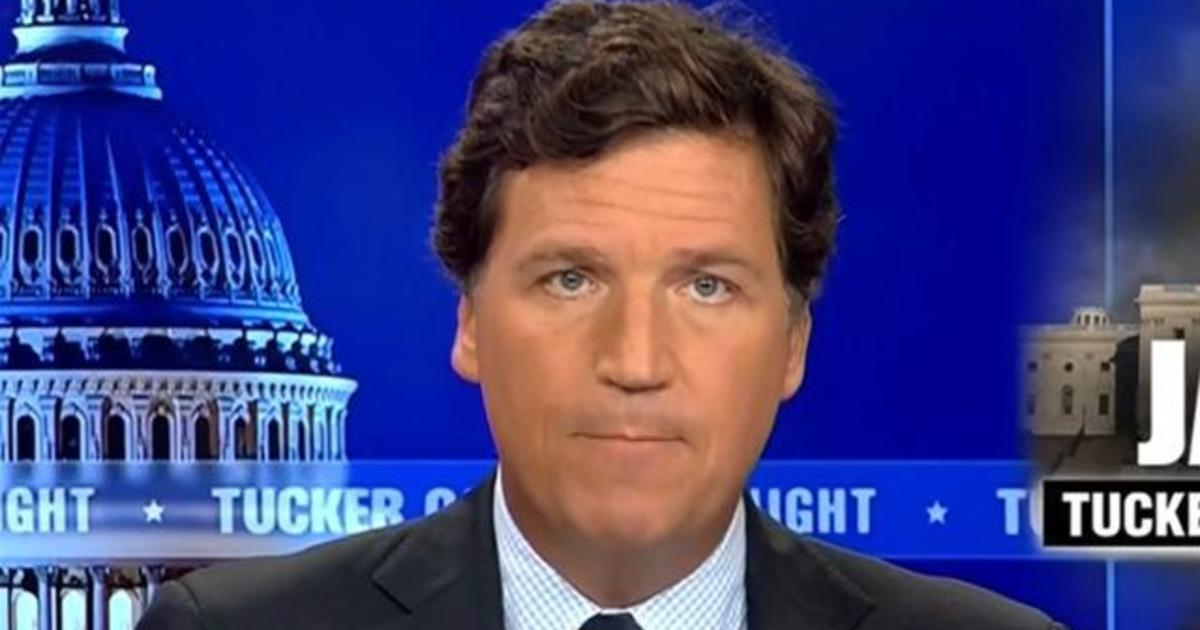
Former Fox News host Tucker Carlson made his first public appearance on Wednesday after his sudden departure from the network. In a videotaped statement, Carlson criticized the state of public discourse in U.S. television, taking aim at American media and the U.S. political system.
Carlson didn’t address his departure from Fox News directly. Instead, he spoke out against the current state of U.S. politics, stating that “both political parties and their donors have reached consensus on what benefits them and they actively collude to shut down any conversation about it.”
Good evening pic.twitter.com/SPrsYKWKCE
— Tucker Carlson (@TuckerCarlson) April 27, 2023
According to Carlson, the United States is starting to look like a “one-party state,” which he describes as a “depressing realization” but not a permanent one. He also raised concerns about the lack of places where Americans can hear “true things,” stating that there are only a few left.
While Carlson’s departure from Fox News was unexpected, his criticism of the U.S. political system is nothing new. Carlson has long been a vocal critic of both political parties, often using his platform on Fox News to express his views.
In the wake of his departure, Carlson has not yet announced his next move. However, his comments suggest that he may be looking for a new platform to continue his message.
In conclusion, Tucker Carlson’s comments on the state of public discourse in U.S. television have sparked a conversation about the current state of the U.S. political system. As Americans continue to grapple with issues like partisanship and media bias, it remains to be seen whether voices like Carlson’s will continue to have a platform.