

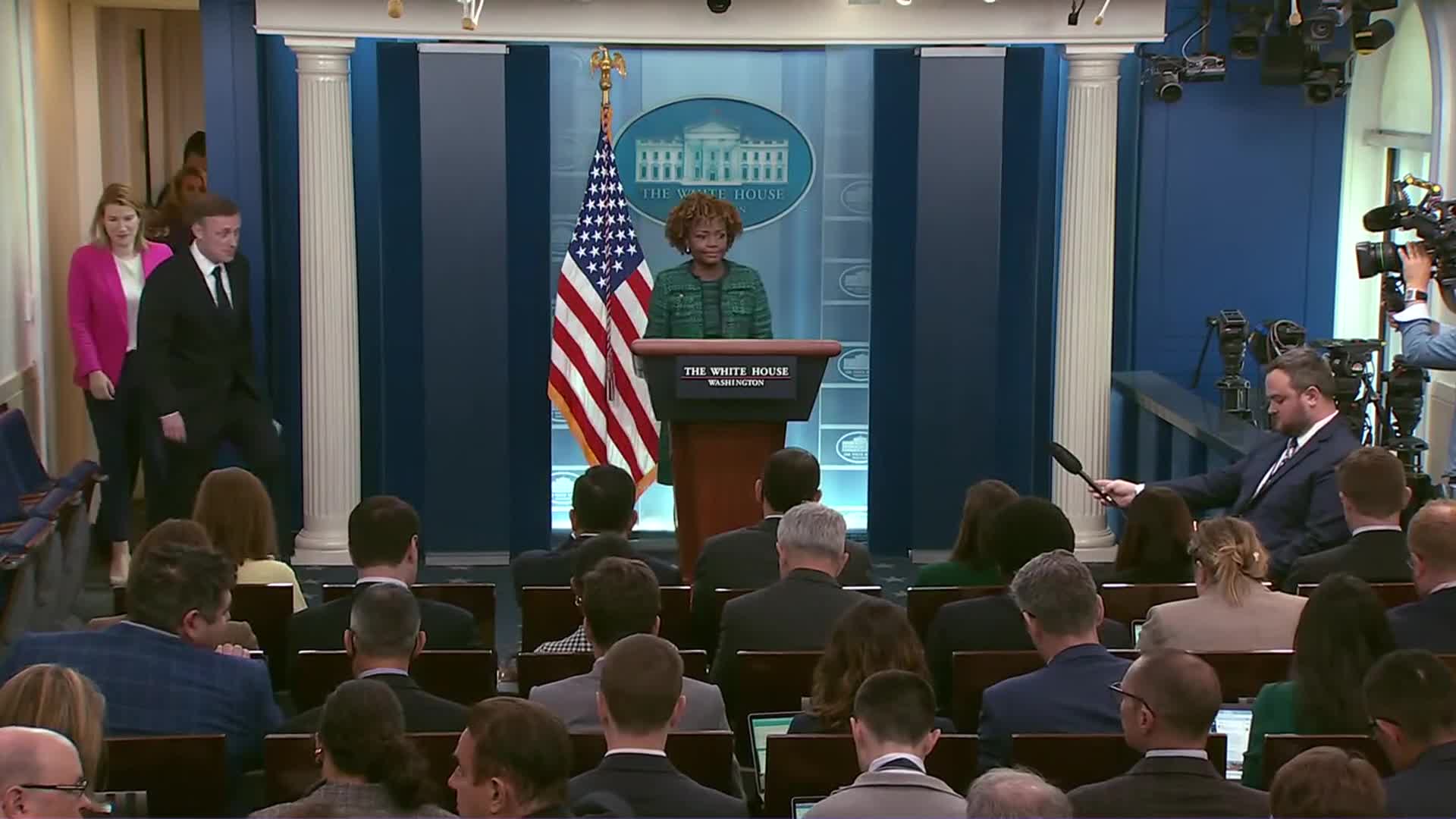
The White House has recently released new requirements for press access to White House grounds and presidential events, leading to a lot of controversy and concern among journalists. The new rules mandate that reporters work for “an organization whose principal business is news dissemination,” and they must submit a letter to gain access to the briefing room.
This change in policy comes after repeated outbursts and unprofessional behavior from reporters like Simon Ateba during White House briefings. Many journalists have criticized the Biden administration for not allowing fair representation in the briefing room, and they have raised concerns about the unfair access to events. These latest rules seem to be an attempt to address these criticisms.
White House unveils new press badge restrictions, rules for access https://t.co/FGWOmc8zj6 pic.twitter.com/dnBijC35X6
— New York Post (@nypost) May 5, 2023
However, not everyone is happy about this new policy. Many journalists fear that these rules could be used to limit press access and control the narrative coming out of the White House. The concern is that only certain journalists, deemed “safe” by the administration, will be granted access, while others will be left out.
This move also comes days after World Press Freedom Day, which has highlighted the importance of a free press in our democracy. Some see the new rules as a threat to that freedom and an attempt to silence voices that are critical of the administration.
In conclusion, while the new rules are meant to ensure order and decorum in the briefing room, they have caused a lot of concern among journalists who fear that their access and freedom to report will be limited. As we celebrate World Press Freedom Day, it is more important than ever to protect the rights of journalists and ensure that they have fair and equal access to the institutions of power.