

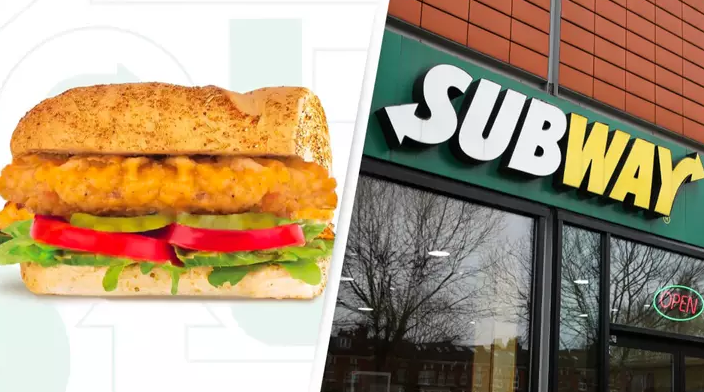
As Bidenflation continues its relentless climb, businesses worldwide are grappling with how to keep their products within reach of budget-conscious consumers. One unexpected player entering the scene is Subway, the beloved sandwich chain. In response to Pakistan’s runaway inflation crisis, Subway is unveiling a surprising solution: a 3-inch “mini sub” that comes at half the price of its regular sandwiches. But could this innovative move signal plans for a similar cost-saving menu option in the United States, where the term “Bidenflation” is becoming a household concern?
Subway’s latest offering, the “mini sub,” has caught the attention of Pakistani diners. With its enticing promise, “Our New Mini Sub is the cutest explosion of taste you’ll ever experience!” Subway is taking a bold step in making sure that a satisfying meal remains accessible to everyone. This miniature delight packs the same Subway flavor punch, ensuring customers don’t have to compromise on taste even in the face of economic challenges.
Subway has just launched its first ever three-inch sandwich. The mini relative of the foot-long and the six-inch was added to menus in Pakistan where inflation is high https://t.co/Im3xyYkzxW
— Bloomberg (@business) September 14, 2023
But what about the United States? As Americans witness soaring prices across the fast-food landscape, Subway’s innovative approach in Pakistan raises the question: Could we soon see a similar move to combat the rising cost of dining out? The affordability of fast food has long been a staple of American culture, but inflationary pressures have started to squeeze this tradition.
The introduction of the “mini sub” in Pakistan may serve as a litmus test for Subway’s global strategy. If this economical option proves successful in Pakistan’s challenging economic climate, it might just pave the way for similar offerings elsewhere, including the U.S. Given the current economic climate, this could be an opportune time for Subway to rethink its menu and pricing structure to cater to budget-conscious consumers.
In conclusion, Subway’s decision to introduce the “mini sub” in Pakistan is a timely response to the pressing issue of inflation. While we can’t predict the future, it’s clear that businesses are adapting to meet the needs of their customers in these trying times. Whether or not this move finds its way to American Subway menus remains to be seen, but it’s a fascinating development to watch.