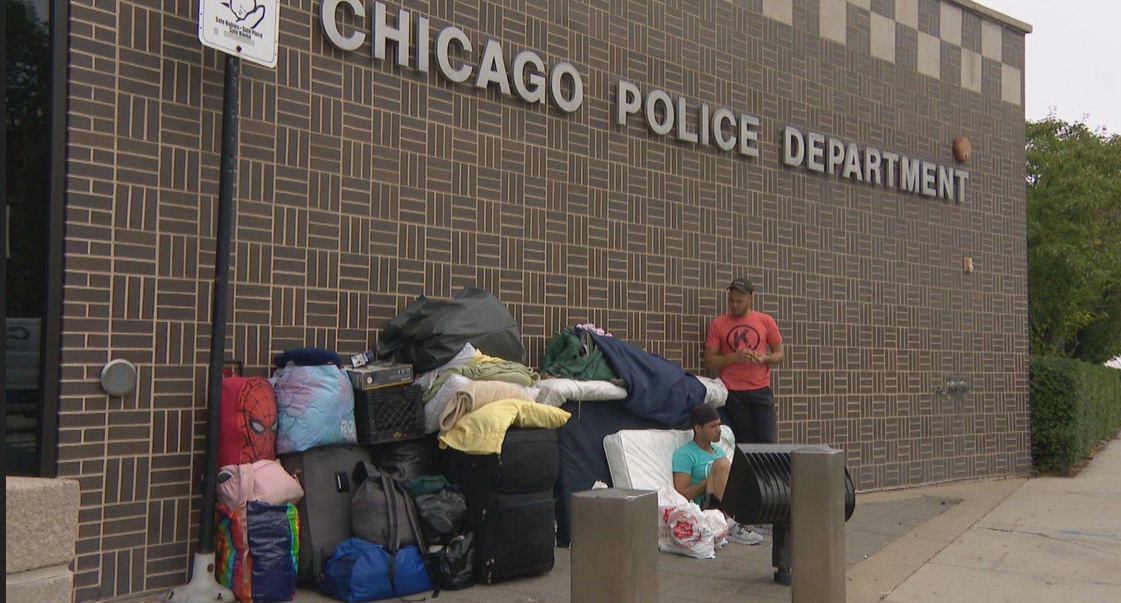

In the midst of Chicago’s biting winters, a surprising phenomenon has emerged as thousands of migrants find the city so inhospitable that they’re choosing to return to Venezuela, seeking refuge from the harsh conditions and an unsupportive environment.
Chicago is so unpleasant migrants are fleeing BACK to Venezuela after being dumped in shelters and refused jobs https://t.co/Xupn0b5wbl pic.twitter.com/5WJH7MGTnj
— Daily Mail US (@DailyMail) November 13, 2023
Since August of last year, a staggering 20,700 migrants have made their way to Chicago from Texas. The migration was part of a strategic move by Texas Governor Greg Abbott, redirecting individuals to Democrat-run cities, known as ‘sanctuary cities.’ These cities boast a reputation for offering increased protection to undocumented migrants, shielding them from the looming threats of detention or deportation.
However, the harsh reality on the ground paints a different picture. Illinois, particularly Chicago, has proven to be an arduous destination for asylum seekers. The state’s unforgiving winters, coupled with a lack of necessary infrastructure for migrants, has led many to make the difficult decision to return home.
One such story is that of Michael Castejon, a 39-year-old Venezuelan, who, along with his family, has been forced to sleep on the floors of police stations and shelters. The challenging conditions and a general ambivalence from locals have left these families in dire straits, prompting a reversal of their journey.
While the intention behind sending migrants to sanctuary cities was to provide a safer haven, the ground reality in Chicago reveals a different narrative. The lack of adequate support systems has created an environment that is anything but welcoming, forcing migrants to reassess their decision to seek refuge in the city.
This raises important questions about the effectiveness of sanctuary city policies and the need for a comprehensive approach to support migrants beyond just redirecting them to new locations. The complexities involved in ensuring a smooth integration process for asylum seekers cannot be underestimated, and the current situation in Chicago serves as a stark reminder of the challenges these individuals face.
In conclusion, the story of migrants returning to Venezuela highlights the critical need for a more holistic approach to immigration policies. It goes beyond just designating cities as sanctuaries; it involves creating an environment that is genuinely supportive, ensuring that migrants can build new lives without compromising their safety and well-being.