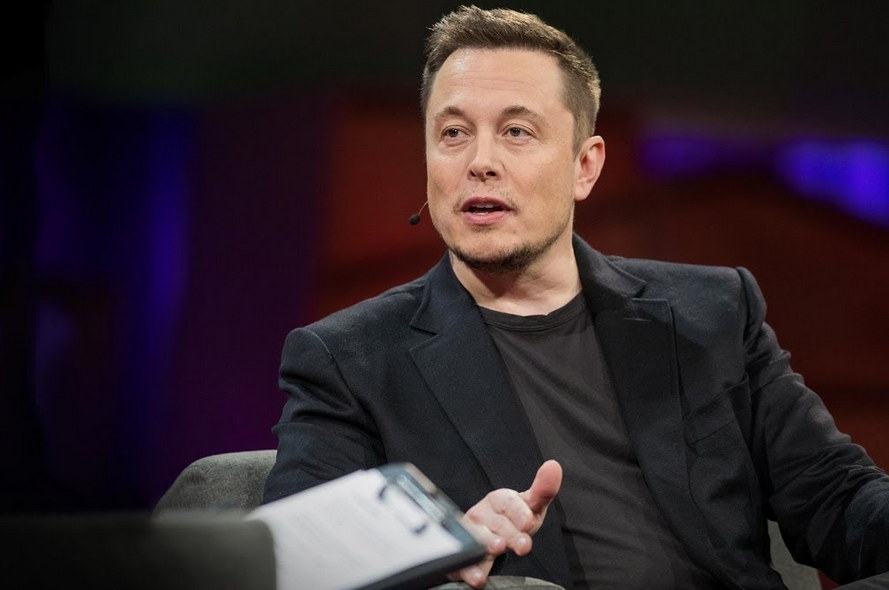

Elon Musk, the visionary CEO of Tesla and SpaceX, has once again sparked discussions about the future of humanity with his bold claims. In a recent interview with Insider, Musk expressed his belief in the possibility of achieving immortality by uploading human brains into robots. While this may sound like a plot from a science fiction movie, Musk remains adamant that it could become a reality.
“I think it is possible,” Musk stated, addressing the notion of preserving human consciousness by transferring it to artificial bodies. “Yes, we could download the things that we believe make ourselves so unique.”
This concept aligns with the principles of transhumanism, a movement aiming to enhance human capabilities through the integration of technology and science. One of the central tenets of transhumanism is the idea of achieving immortality by transferring human consciousness into computer systems. By creating virtual copies of ourselves, proponents argue, we could potentially extend our lifespan indefinitely.
The prospect of brain uploads and humanoid robots raises profound philosophical and ethical questions. Clas Weber, a senior lecturer at The University of Western Australia specializing in philosophy of the mind, AI, and metaphysics, suggests that this future might be closer than we think.
“It took years and hundreds of millions of dollars to map the first human genome about 20 years ago,” Weber pointed out, highlighting the rapid advancements in technology that could accelerate the realization of transhumanist goals.
Moreover, Elon Musk’s ventures, including Neuralink, a company focused on developing brain-computer interface technology, further fuel speculation about the feasibility of brain uploads. With Musk’s track record of pushing technological boundaries, some speculate that Tesla could eventually produce humanoid robots capable of housing uploaded human consciousness.
As society grapples with the implications of transhumanism, questions about identity, mortality, and the nature of consciousness loom large. While the concept of achieving immortality through technology remains speculative, it serves as a provocative reminder of humanity’s endless pursuit of progress and innovation.
In the face of such groundbreaking ideas, it’s clear that the future of humanity may be far stranger—and more wondrous—than we ever imagined.