

Date: July 30, 2025
Byline: Investigative Desk
A newly surfaced tranche of documents and witness statements is pulling the veil back on what insiders describe as a “multi-industry control network,” linking entertainment law firms, media conglomerates, and individuals tied to the Jeffrey Epstein case. At its core is an allegation that these connections were not incidental—but operational, built to protect financial interests, silence potential whistleblowers, and manage public perception through coordinated legal and media action.
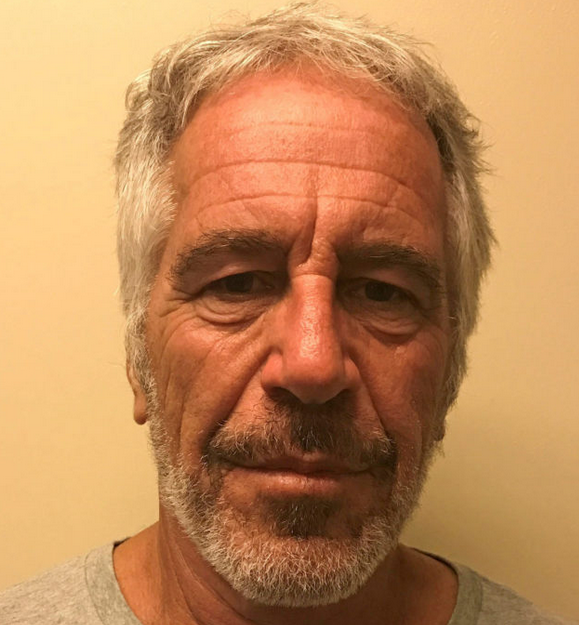
I. FROM COURTROOMS TO NEWSROOMS: A CLOSED CIRCUIT OF INFLUENCE
The investigation identifies a loop in which the same names appear in both court filings and media coverage: attorneys representing high-value estates also supplying “expert” commentary to news outlets, PR firms placing stories in cooperative publications, and former clients of these legal teams becoming key interview subjects in sympathetic profiles.
One recurring figure is Anouska de Georgiou, introduced to the public as an Epstein accuser. Yet financial and communications records link her to entertainment executives and media handlers involved in post-crisis branding for multiple artists and estates, suggesting her appearances in high-profile coverage may have served a narrative control function.

II. THE ESTATE LEVERAGE MODEL
Sources allege that certain legal firms have perfected an “estate leverage model”—where control over the narrative surrounding a celebrity’s death or scandal is used as bargaining capital in high-stakes financial negotiations. Public sympathy, generated through carefully timed coverage, can increase asset value, neutralize litigation, and strengthen positions in licensing talks.
In the Jackson Estate battle, documents show overlaps between lawyers managing estate disputes and PR agencies placing strategically favorable coverage. In at least two instances, headlines that undermined opposing parties appeared within 72 hours of confidential settlement talks—timing that legal experts say is unlikely to be coincidence.
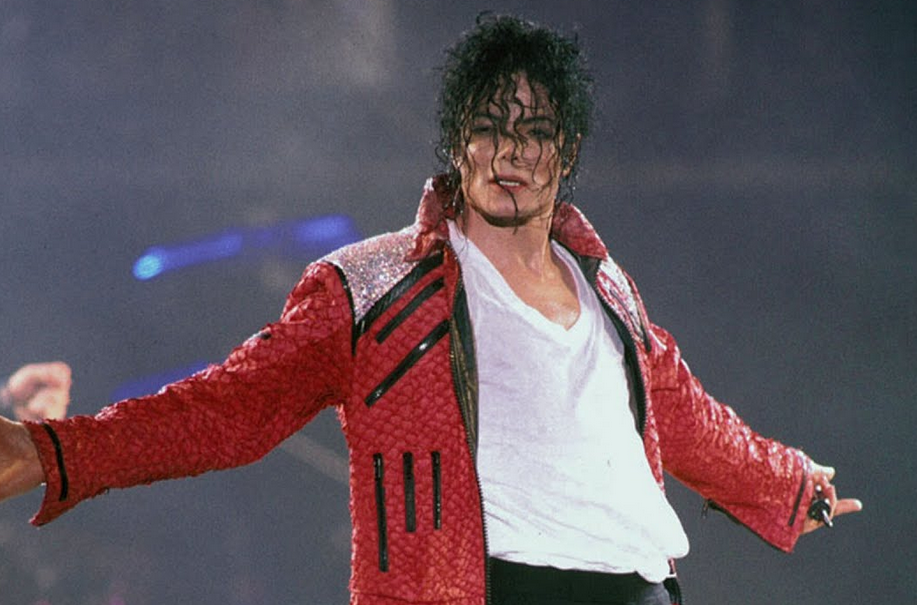
III. THE EPSTEIN CONNECTION AND STRATEGIC SILENCE
The Epstein link is not limited to individual accusers. Multiple attorneys and crisis firms named in estate and conservatorship cases have also been documented as counsel, media intermediaries, or affiliates in Epstein-related legal matters. Critics argue this creates a culture of strategic silence—where potentially explosive information is buried in exchange for cooperative alignment on other legal fronts.
This overlap may also explain why certain figures connected to Epstein have been able to re-enter public life through carefully engineered redemption campaigns. The same machinery that rebranded artists post-tragedy has been used to rehabilitate individuals from the Epstein network, often pairing them with charity initiatives or advocacy work that aligns with corporate interests.
IV. CALLS FOR INDEPENDENT OVERSIGHT
Legal observers are now pushing for formal inquiry into the cross-pollination between entertainment law, crisis PR, and high-profile criminal cases. They argue that without transparency, the public remains vulnerable to “manufactured reality” where the same small group of operatives controls both the facts and the feelings around them.
One UK barrister involved in ongoing litigation summarized it starkly: “When your lawyer, your publicist, and your prime-time interviewer are all on the same payroll, the truth is whatever they decide it is.”
As court filings in the UK and US move toward disclosure, investigators warn that what’s at stake isn’t just the integrity of individual cases—it’s the credibility of the systems the public relies on to separate fact from fiction.