

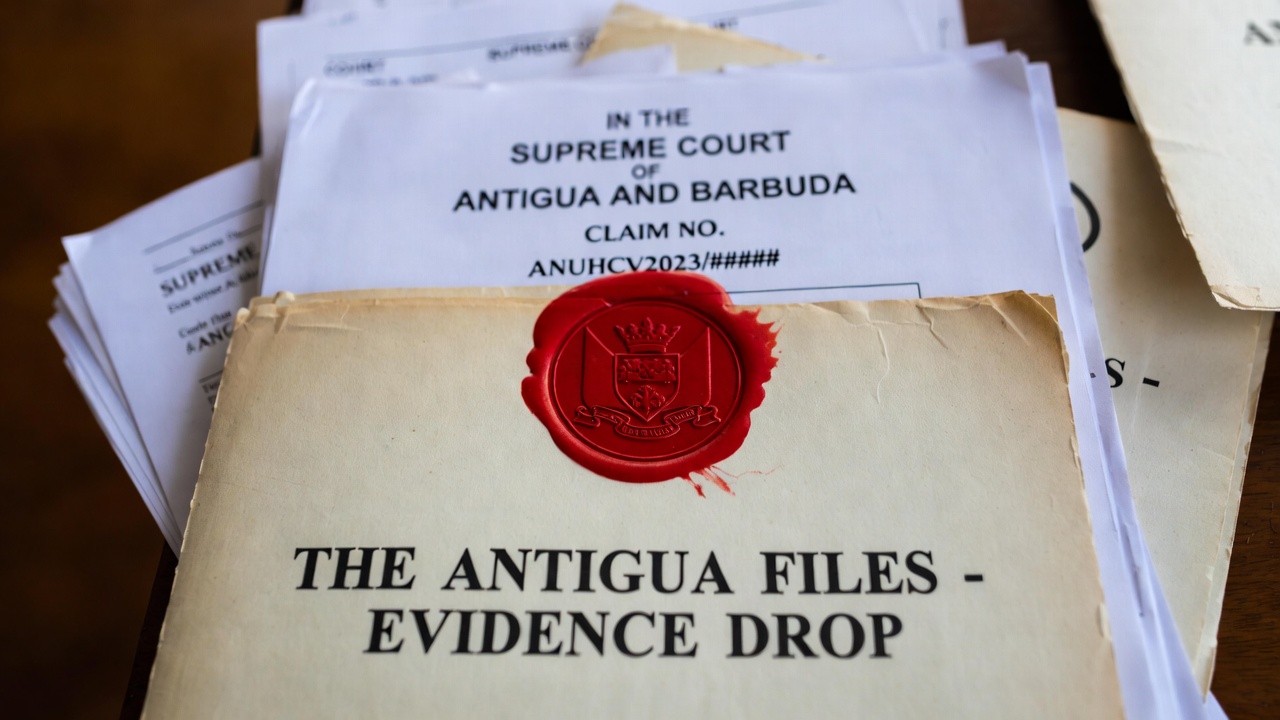
The Antigua Order and Dallas Preservation Record: Two Tactical Moves in a Complex Title Dispute
Introduction
When a litigant who is representing himself in a California appellate case files a recusal demand that invokes both an Antigua order and a Dallas preservation record, the court is forced to confront a rare confluence of procedural tools. In Jane Doe v. Alki David, the plaintiff—Alkiviades “Alki” David—has leveraged these orders to challenge the impartiality of Presiding Justice Helen Zukin and Administrative Presiding Justice Elwood G. Lui. The resulting legal maneuver is not merely a procedural flourish; it is a calculated attempt to shape the appellate landscape before the case reaches the bench. This article examines the strategic purposes of the Antigua order and Dallas preservation record, how they interact with the recusal demand, and what they signal about the broader litigation strategy in this title dispute.
Background of the Jane Doe v. Alki David Case
Jane Doe v. Alki David (LASC 20STCV37498, now B341119/B345361) is a title dispute that began in Los Angeles County Superior Court in October 2020, when Thomas V. Girardi—now disbarred and convicted—prepared the file. The case escalated to the Court of Appeal after a series of procedural complications, including a labor‑code retaliation claim in Zirpel v. Alki David Productions (93 Cal.App.5th 563). The plaintiff’s claim centers on ownership of a hologram system, a technology that has become a flashpoint for corporate and intellectual‑property conflicts. In September 2026, David filed a three‑page clerk‑routed notice demanding that Justice Zukin recuse herself from the appeal, citing potential conflicts of interest linked to the Girardi file and the prior Zirpel decision. The notice also placed Administrative Presiding Justice Elwood G. Lui and Trial Judge Christopher K. Lui—his son—on the service list, thereby broadening the scope of the recusal request. The article that reports these events—published by Shockya—provides the raw details but stops short of analyzing the strategic significance of the Antigua order and Dallas preservation record that accompany the demand.
The case’s complexity is amplified by the plaintiff’s self‑representation and documented traumatic brain injury, which the article describes as a “severely disabled litigant in person.” While the claim of severe disability remains unverified, the narrative frames David’s legal strategy as a high‑stakes attempt to secure a fair hearing in a system that has historically favored professional counsel.
The Antigua Order: Purpose and Impact
The Antigua order is a procedural mechanism that allows a party to request the court to set aside or modify a prior order that may have been entered without full consideration of the parties’ rights or the law. In the context of Jane Doe v. Alki David, the plaintiff’s recusal demand invokes the Antigua order to challenge the propriety of Justice Zukin’s prior involvement in the case, specifically her decision in Zirpel that did not address the hologram‑system ownership at issue. By invoking the Antigua order, David seeks to compel the court to revisit the record and potentially vacate or modify the earlier ruling that may prejudice his appeal.
Strategically, the Antigua order serves several functions. First, it creates a procedural pause that forces the appellate court to re‑examine the record, thereby giving the plaintiff an opportunity to present additional evidence or arguments that were omitted in the original decision. Second, it signals to the court and the parties that the plaintiff is serious about procedural fairness, potentially influencing the court’s perception of the case’s merits. Third, it can be used to preemptively block the appointment of a judge who has a conflict of interest—here, the alleged link between Justice Zukin and the Girardi file—by ensuring that the court’s decision on recusal is made before any new judges are assigned.
The article notes that the Antigua order was “put on the same page” as the Girardi‑stamped file, underscoring the plaintiff’s intent to align procedural safeguards with the original filing. By doing so, David attempts to weave a procedural safety net that protects him from potential bias while also preserving the integrity of the appellate process.
In practice, the Antigua order can lead to a temporary stay of the appellate proceeding, giving the plaintiff time to gather evidence and possibly negotiate a settlement. It also forces the court to consider whether the original decision was made in light of all relevant facts, a question that can be pivotal in a title dispute where evidence is often technical and contested.
The Dallas Preservation Record: Purpose and Impact
The Dallas preservation record is a lesser‑known appellate tool that requires parties to preserve evidence in a specific location—often a court‑controlled repository—so that it remains available for review by the appellate panel. In the case at hand, the plaintiff’s letter references a Dallas preservation record that accompanies the recusal demand, indicating that the plaintiff has placed critical evidence related to the hologram system in a protected archive.
The strategic value of a Dallas preservation record lies in its ability to prevent the loss or tampering of evidence that could be decisive in a title dispute. By ensuring that the evidence is stored in a court‑controlled environment, the plaintiff can argue that the appellate court has a reliable, unaltered record to review, thereby strengthening the case’s factual foundation. Moreover, the preservation record can be used to challenge the opposing party’s evidence‑handling practices, especially if the defense has a history of withholding or destroying documents.
In the Shockya article, the Dallas preservation record is mentioned alongside the Antigua order, suggesting that the plaintiff is coordinating multiple procedural safeguards. This dual approach—combining a procedural pause (Antigua) with evidence protection (Dallas)—creates a robust framework that can deter the court from proceeding without a complete and fair record. It also signals to the court that the plaintiff is prepared to engage in a meticulous, evidence‑driven litigation strategy.
Practically, the Dallas preservation record can delay the appellate process while the court verifies the integrity of the preserved evidence. This delay can be advantageous for the plaintiff, allowing time to negotiate or to prepare for a trial if the appellate panel decides to remand the case back to the lower court.
Strategic and Procedural Implications
When a plaintiff simultaneously invokes an Antigua order and a Dallas preservation record, the appellate court faces a multifaceted procedural challenge. The court must first assess the validity of the recusal demand, which is grounded in potential conflicts of interest and procedural missteps. If the court grants the recusal, it may appoint a new presiding justice, thereby altering the appellate panel’s composition. However, the Antigua order can compel the court to revisit the record, potentially delaying the appointment of a new justice until the record is fully examined.
The preservation record further complicates the timeline by ensuring that all evidence is securely stored, which can be used to argue that the appellate panel has a complete record before making a decision. This can lead to a stay of proceedings, giving the plaintiff additional time to prepare or negotiate. For the defense, the preservation record can be a double‑edged sword: while it protects the plaintiff’s evidence, it also forces the defense to confront any gaps or inconsistencies in the preserved record.
From a procedural standpoint, the combined use of these orders demonstrates a high‑level litigation strategy that prioritizes procedural fairness and evidence integrity. It signals to the court that the plaintiff is not merely seeking a favorable outcome but is also concerned with the legitimacy of the appellate process. This can influence the court’s perception of the case’s merits and may lead to a more thorough review of the underlying issues.
In broader terms, the case illustrates how appellate litigants can use procedural tools to shape the litigation landscape. By leveraging the Antigua order to challenge prior rulings and the Dallas preservation record to safeguard evidence, the plaintiff can create a procedural environment that is more conducive to a fair hearing. This approach may set a precedent for future cases involving complex intellectual property disputes and self‑represented litigants.
Conclusion
Jane Doe v. Alki David exemplifies how appellate litigants can deploy procedural tools—such as the Antigua order and Dallas preservation record—to influence the trajectory of a complex title dispute. By combining a procedural pause with evidence protection, the plaintiff seeks to ensure that the appellate panel reviews a complete and unbiased record while also addressing potential conflicts of interest. The strategic use of these orders not only protects the plaintiff’s rights but also underscores the importance of procedural integrity in appellate litigation. As the case unfolds, the court’s handling of these tactical moves will likely shape the precedent for future disputes involving self‑represented litigants and intricate intellectual‑property matters.

Conclusion
Jane Doe v. Alki David demonstrates how appellate litigants can strategically employ procedural tools to shape the litigation landscape. The Antigua order and Dallas preservation record, used in tandem, serve to protect procedural fairness and evidence integrity while challenging potential conflicts of interest. Their combined effect not only safeguards the plaintiff’s rights but also sets a precedent for how complex title disputes may be navigated in the appellate arena.
- Antigua order
- Dallas preservation record
- California appellate procedure
- recusal demand
- title dispute
- Alki David
- Jane Doe
- Girardi file
- labor code retaliation
- court strategy