

The fight has now jumped from one docket to four courts: King’s Bench, SDNY, the Privy Council, and the California Court of Appeal.
Alki David’s new filing before Judge Jesse Furman in Southern Dstrict of New York frames the case as a four-court emergency over preservation, disability access, sovereign-property issues, Alfa Nero, NXIVM-linked pathways, LimeWire/CNET/Download.com records, MediaDefender tracking, and alleged lawfare.
Its warning is blunt: “Without active protection, the process itself becomes the punishment.”
The demand: preserve the record, accommodate the disability, stop enforcement from outrunning the truth.The TRO That Blew the Case Open
On May 12, 2026, Alkiviades David filed an emergency TRO in SDNY seeking “Public-Safety Preservation, Forensic Quarantine, and Anti-Spoliation Relief.”
The filing’s message was blunt: preserve first, trace next, adjudicate later.
David claims the case is no longer just about §1782 discovery or Alfa Nero. It is about a digital evidence chain running through LimeWire, CBS Interactive, CNET, Download.com, MediaDefender, cloud metadata, ad-tech monetization, UMG/LimeWire revival, and merger-dilution risk.
The TRO demands preservation of hashes, filenames, IP logs, deletion histories, upload/download logs, monetization records, restructuring files, and chain-of-custody materials before they vanish through cloud decay, mergers, migration, or deletion.
This filing turned the case into something bigger: an alleged decades-long internet evidence cover-up colliding with SDNY, King’s Bench, and global litigation warfare.Watch Alki David Fights On To Expose the 15 Year NXIVM Funded Campaign Against Him – Hollywood Child Pornography Exposed On Industrial Scale
NXIVM Fraud Live In London
What began as a foreign-discovery application tied to the seizure and sale of the Alfa Nero megayacht has now erupted into one of the most extraordinary procedural battles unfolding simultaneously in the United States and the United Kingdom.
At the center of the storm is entrepreneur Alkiviades “Alki” David, who says he was pulled into a widening cross-border litigation machine involving elite law firms, emergency federal-court filings, disputed digital evidence, disability-rights concerns, and increasingly explosive accusations surrounding record integrity inside both SDNY and the King’s Bench Division in London.
The Case That Opened the Door
The formal trigger was an SDNY proceeding:
In re Application of Yulia Guryeva-Motlokhov for an Order Seeking Discovery Pursuant to 28 U.S.C. §1782
Case No. 1:25-mc-00098
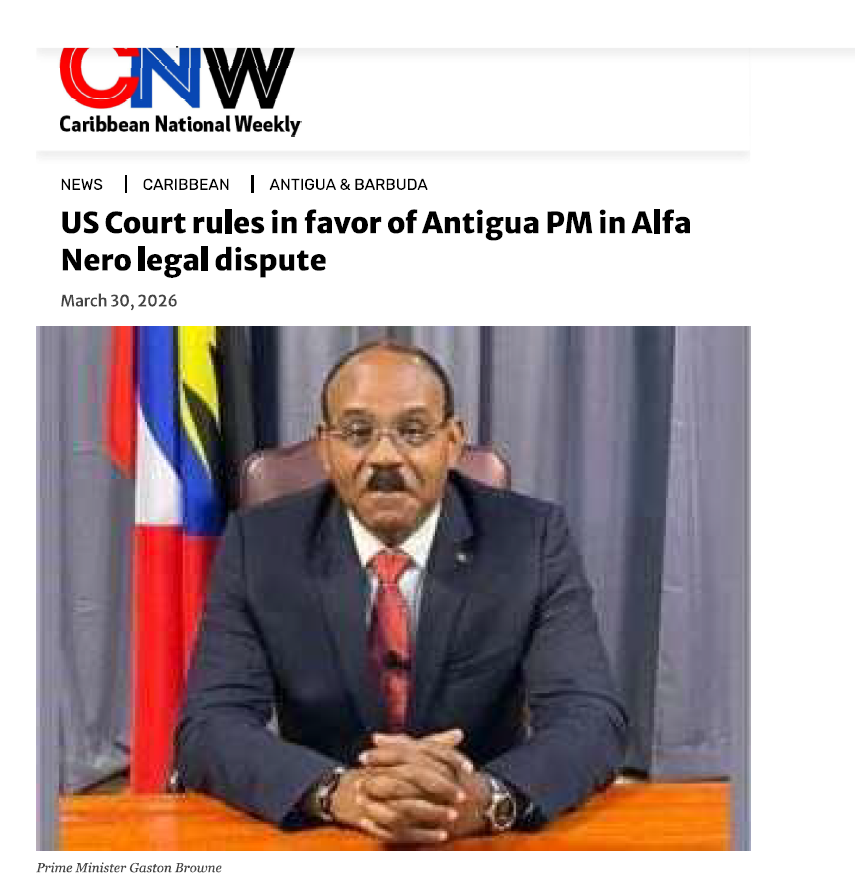
The case was publicly framed as a discovery effort connected to the controversial seizure and sale of the Russian-linked superyacht Alfa Nero.
Public reporting described efforts to obtain financial and transactional records tied to the yacht sale, including allegations of undisclosed relationships, hidden financial interests, and international asset movements involving Antigua and associated parties.
But by May 2026, the docket no longer resembled a narrow discovery matter.
It had transformed into a sprawling procedural war.
The Docket Explosion
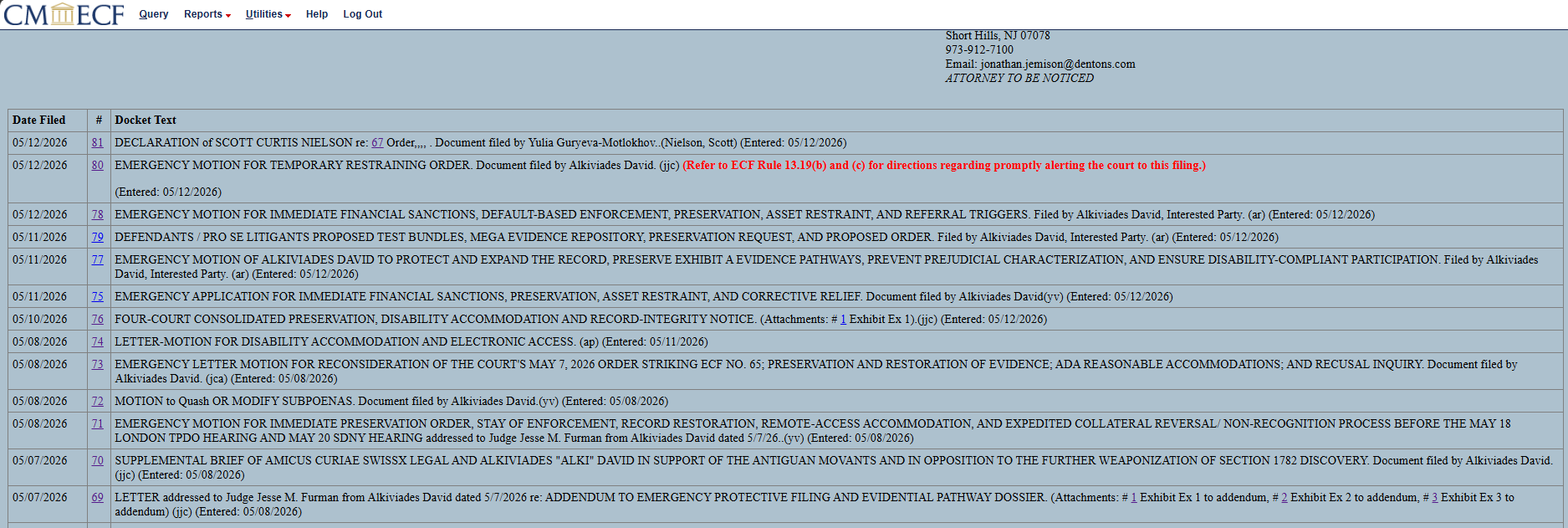
A review of the SDNY docket reveals an astonishing series of emergency filings between May 7 and May 12, 2026.
The filings included:
- Emergency motions for temporary restraining orders
- Emergency preservation demands
- Disability accommodation requests
- Motions to quash or modify subpoenas
- Record-restoration applications
- Requests for remote-access accommodations
- Financial sanctions applications
- Evidentiary pathway disputes
- Requests to prevent “prejudicial characterization”
- And filings alleging the “weaponization” of §1782 discovery
The docket increasingly reflected a broader conflict involving:
- DOWNLOAD.com-related materials
- Metadata preservation
- Chain-of-custody disputes
- Service and notice irregularities
- London hearing coordination
- Banking and trust records
- Cross-border law-firm communications
- And claims that critical digital records may be incomplete or manipulated
One filing sought emergency relief to:
“protect and expand the record, preserve exhibit A evidence pathways, prevent prejudicial characterization, and ensure disability-compliant participation.”
Another filing warned that irreversible harm could occur unless evidence, audit trails, and access logs were preserved immediately.
The UK Shockwave
At the same time, the litigation escalated dramatically in London.
On May 13, 2026, Senior Master Jeremy David Cook of the King’s Bench Division issued an order staying proceedings and directing David to obtain psychiatric evidence addressing litigation capacity.
The order cited concerns regarding David’s communications with the court and referenced possible “delusional and/or obsessional beliefs.”
But the same proceedings also acknowledged existing medical evidence documenting traumatic brain injury.
David had already submitted MRI evidence describing:
- frontal-lobe encephalomalacia,
- gliosis,
- and frontal volume loss.
Psychiatric materials submitted to the court further stated that while David exhibited paranoia and persecutory thinking symptoms, he nevertheless retained:
“full capacity to comprehend and deal with reality.”
That contradiction now sits at the center of an increasingly volatile dispute.
Disability or Weaponized Procedure?
David’s position is not that he is incompetent.
His filings argue the opposite.
The emergency submissions claim that documented neurological injury affects:
- stress tolerance,
- communication speed,
- executive function,
- timing,
- and response organization,
while still allowing him to proceed pro se if reasonable procedural accommodations are provided.
The filings accuse opposing parties and legal actors of treating neurological symptoms as evidence of bad faith, contempt, irrationality, or procedural abuse rather than as disability-related limitations requiring accommodation.
The resulting legal fight has become larger than any individual motion.
It now raises broader questions:
- How should courts treat neurologically impaired litigants?
- What happens when disability symptoms are interpreted as misconduct?
- And how far can transnational discovery campaigns expand before unrelated parties become collateral damage?
- Can digital evidence be trusted if metadata, audit trails, and chain-of-custody materials are disputed?
The DOWNLOAD.com Question















One of the most explosive aspects of the case involves disputed DOWNLOAD.com-related materials.
According to emergency filings and related reporting, disputes now exist over:
- who controlled certain digital records,
- whether metadata was altered,
- whether materials were selectively presented,
- whether audit trails are complete,
- and whether law firms or litigants relied upon incomplete digital evidence.
David’s filings demand preservation of:
- CE-File logs,
- upload histories,
- deletion records,
- permission changes,
- subpoena materials,
- access logs,
- communications,
- and chain-of-custody records.
At present, those allegations remain disputed and unproven.
But the breadth of the preservation requests suggests that the fight is no longer merely about legal claims — it is about control of the historical and digital record itself.
Prior ShockYa Reporting
The present confrontation follows prior ShockYa investigations into the King’s Bench proceedings.
On May 3, 2026, ShockYa published:
“The Trojan Horse in the King’s Bench”
https://www.shockya.com/news/2026/05/03/the-trojan-horse-in-the-kings-bench/
That report argued the dispute had evolved into a crisis involving court-record integrity, CE-File infrastructure, audit trails, service logs, and digital evidence transparency.
Earlier, on April 26, 2026, ShockYa published:
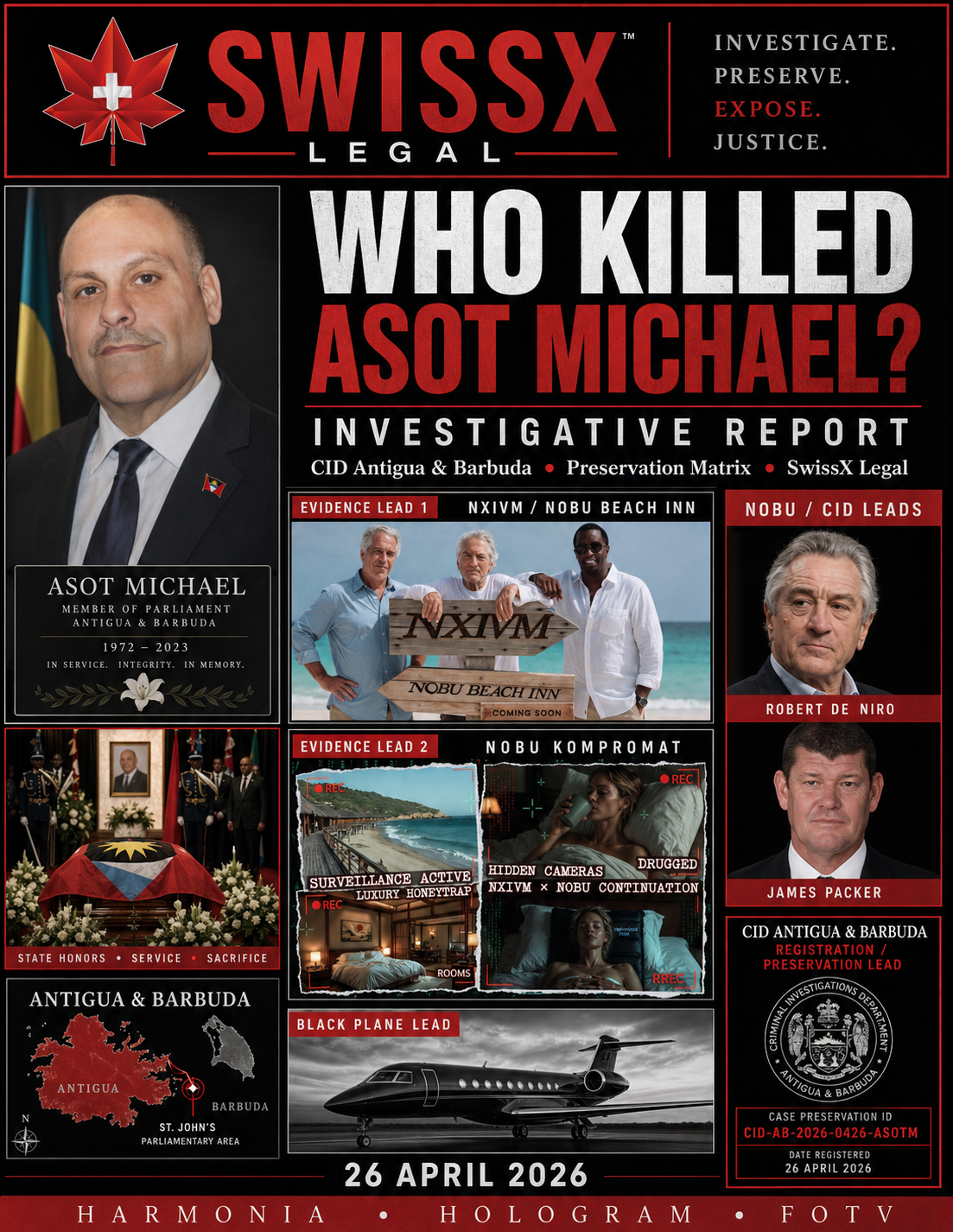
“London High Court Senior Master Jeremy David Cook in Child Pornography Crosshairs in Murder Case of Asot Michael, King’s Bench Division”
https://www.shockya.com/news/2026/04/26/london-high-court-senior-master-jeremy-david-cook-in-child-pornography-crosshairs-in-murder-case-of-asot-michael-kings-bench-division/
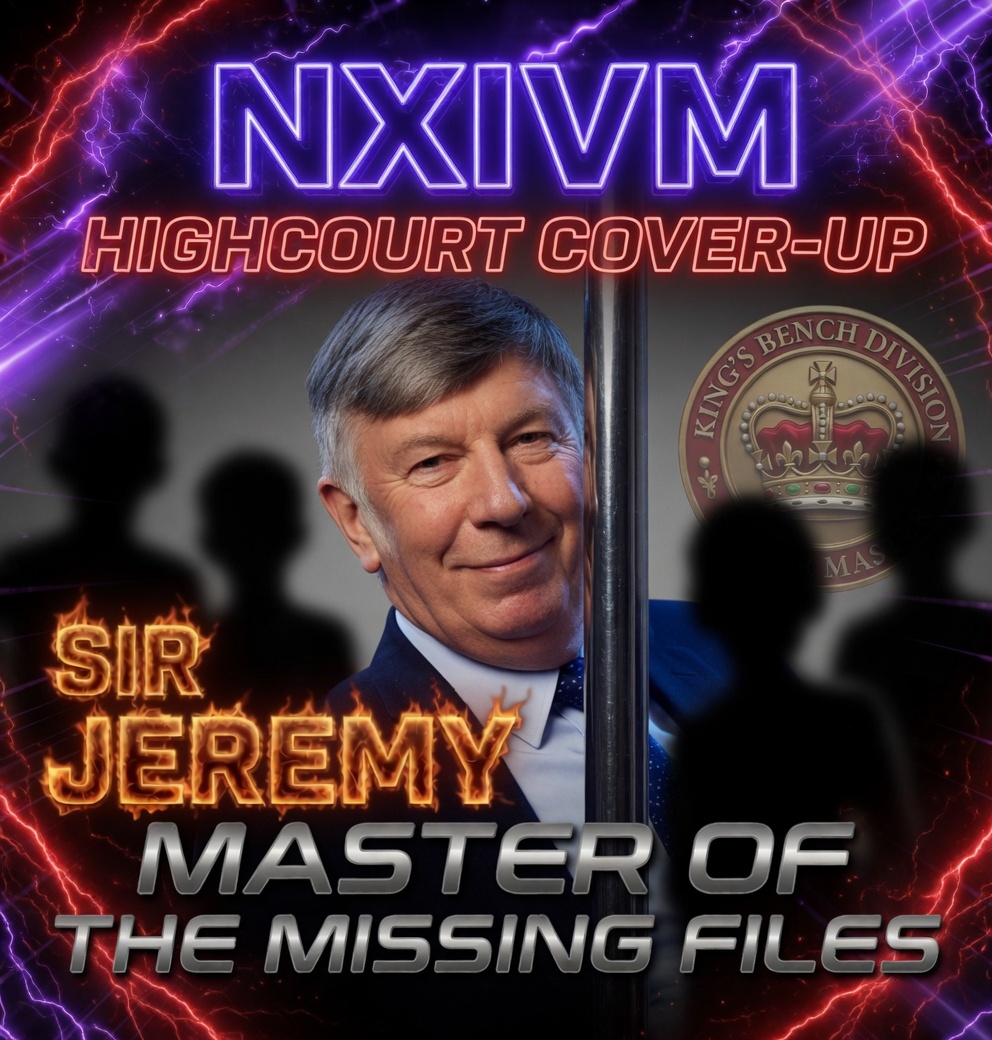
That article reported on demands for Senior Master Cook’s recusal, citing alleged procedural unfairness, disability-access concerns, and failures to preserve records and communications.
A Modern Litigation Crisis
What began as an international discovery dispute tied to a sanctioned megayacht has evolved into something much larger:
a transatlantic conflict involving judicial power, disability rights, digital evidence integrity, reputational warfare, and the limits of modern litigation itself.
Whether David’s allegations are ultimately vindicated or rejected, the combined SDNY and UK proceedings are becoming an extraordinary case study in how courts handle:
- medically impaired pro se litigants,
- international discovery campaigns,
- digital evidence preservation,
- and procedural fairness in the internet age.
The outcome may determine not only the future of these proceedings — but how modern courts confront the collision between neurological disability, digital records, and global litigation power.Prior ShockYa Coverage
This latest dispute follows prior ShockYa reporting on Senior Master Jeremy David Cook and the King’s Bench proceedings.
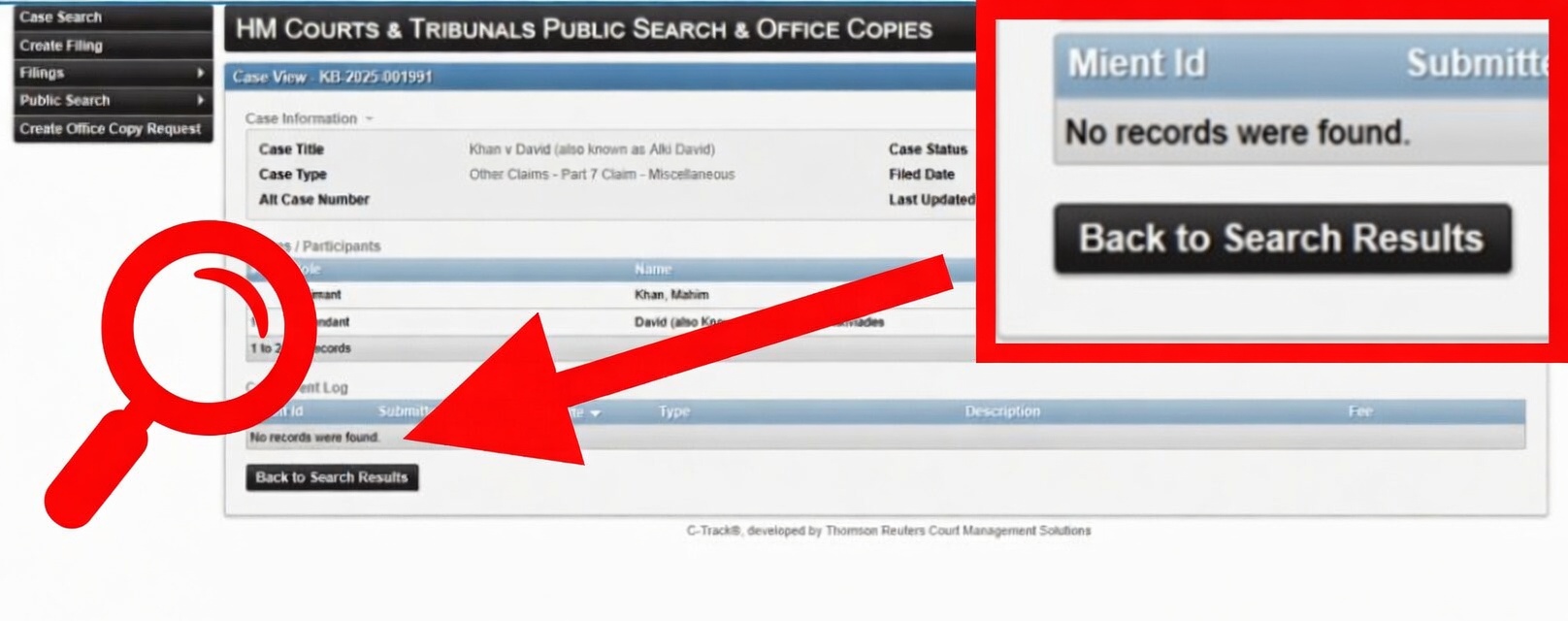
On May 3, 2026, ShockYa published “The Trojan Horse in the King’s Bench,” which framed the dispute as a court-record integrity crisis involving CE-File, e-filing middleware, audit logs, access permissions, service notifications, and whether the court has been operating from a complete digital record:
https://www.shockya.com/news/2026/05/03/the-trojan-horse-in-the-kings-bench/
On April 26, 2026, ShockYa published “London High Court Senior Master Jeremy David Cook in Child Pornography Crosshairs in Murder Case of Asot Michael, King’s Bench Division,” which reported on David’s demand for Cook’s recusal or removal in connection with case KB-2025-001991 / CA-2025-002562, citing alleged disability-access failures, apparent bias concerns, record-preservation issues, and disputed digital evidence:
https://www.shockya.com/news/2026/04/26/london-high-court-senior-master-jeremy-david-cook-in-child-pornography-crosshairs-in-murder-case-of-asot-michael-kings-bench-division/
Together, those reports provide the background for the present emergency filings: a conflict over whether the King’s Bench record is complete, whether medical and disability evidence has been properly handled, and whether disputed DOWNLOAD.com-related materials and related digital records must be preserved before further enforcement or adverse procedural steps occur.
Readers who want to follow the case directly can review the live federal docket through PACER (Public Access to Court Electronic Records) in:
In re Application of Yulia Guryeva-Motlokhov Pursuant to 28 U.S.C. §1782
Case No. 1:25-mc-00098-JMF
U.S. District Court, Southern District of New York.
The docket now contains emergency TRO filings, preservation motions, disability-accommodation requests, subpoena disputes, sanctions applications, evidentiary preservation demands, and cross-border litigation filings tied to the expanding SDNY and King’s Bench controversy.